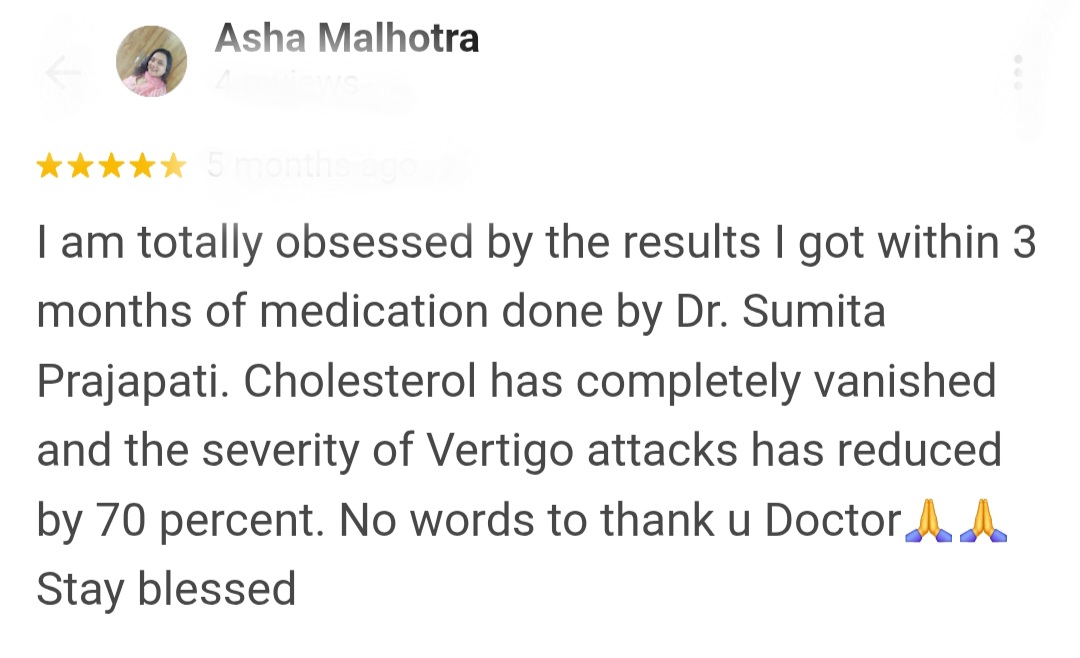
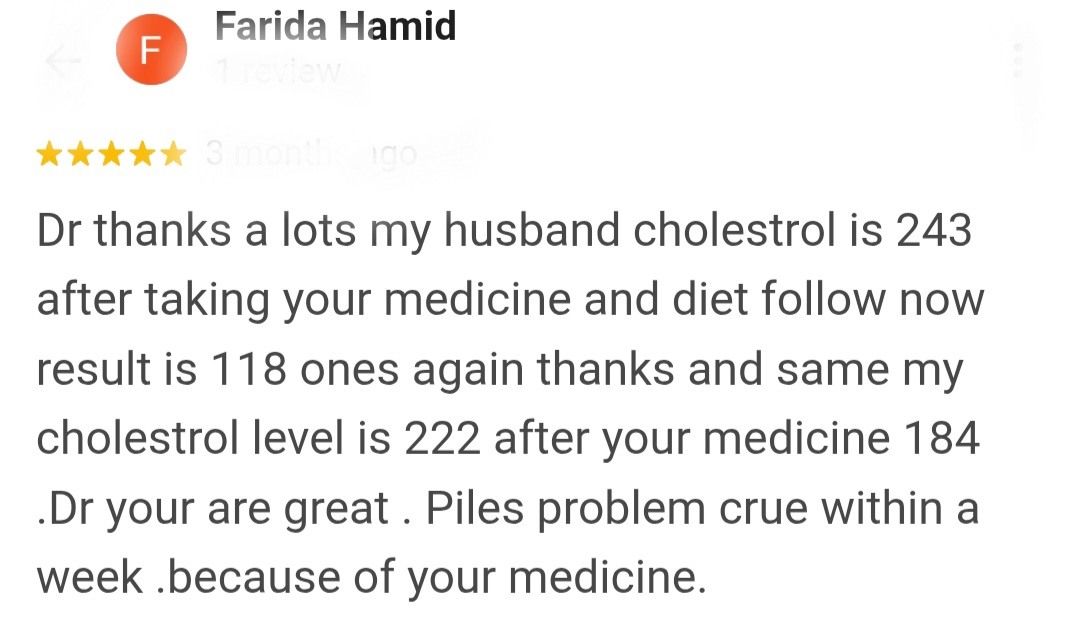
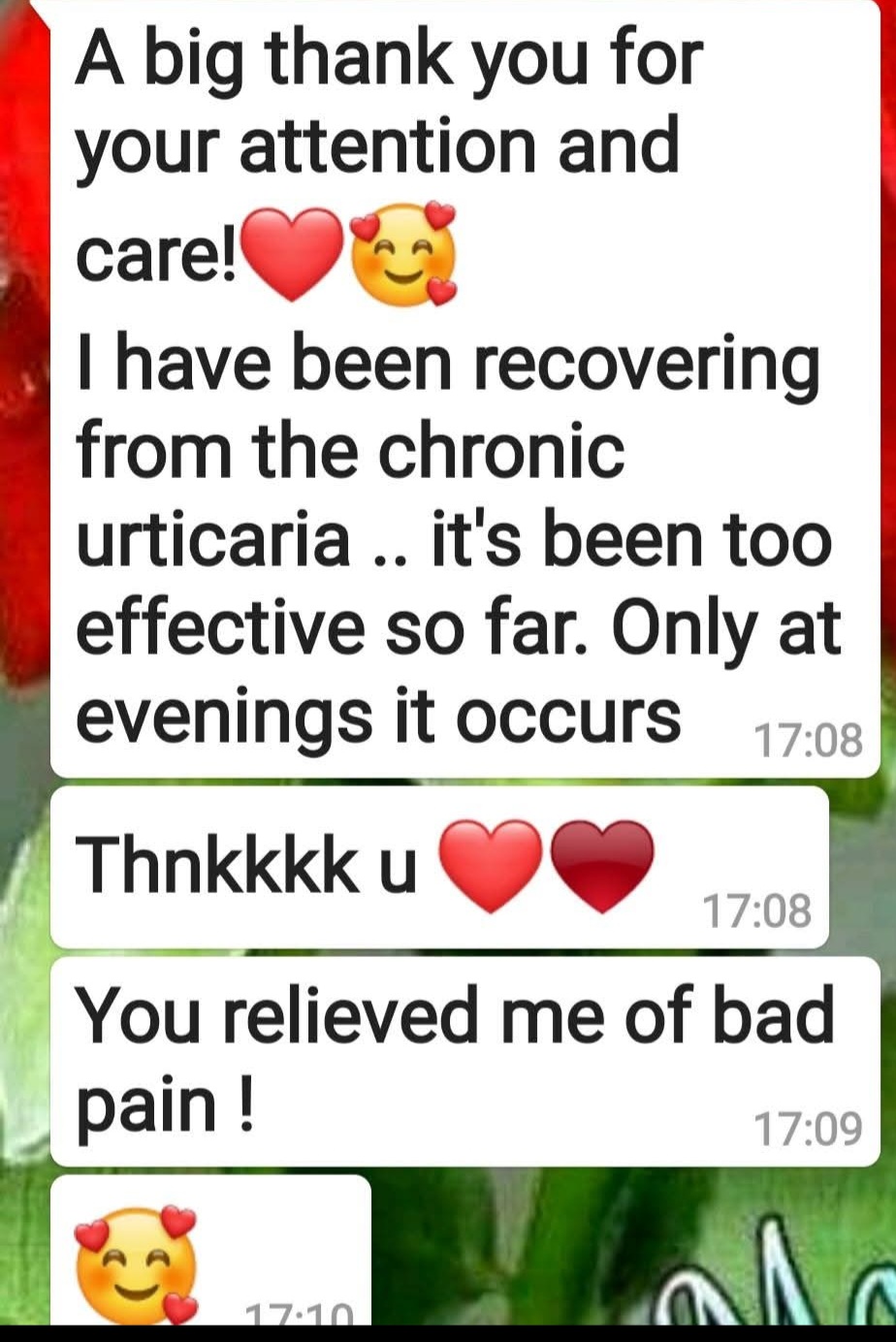
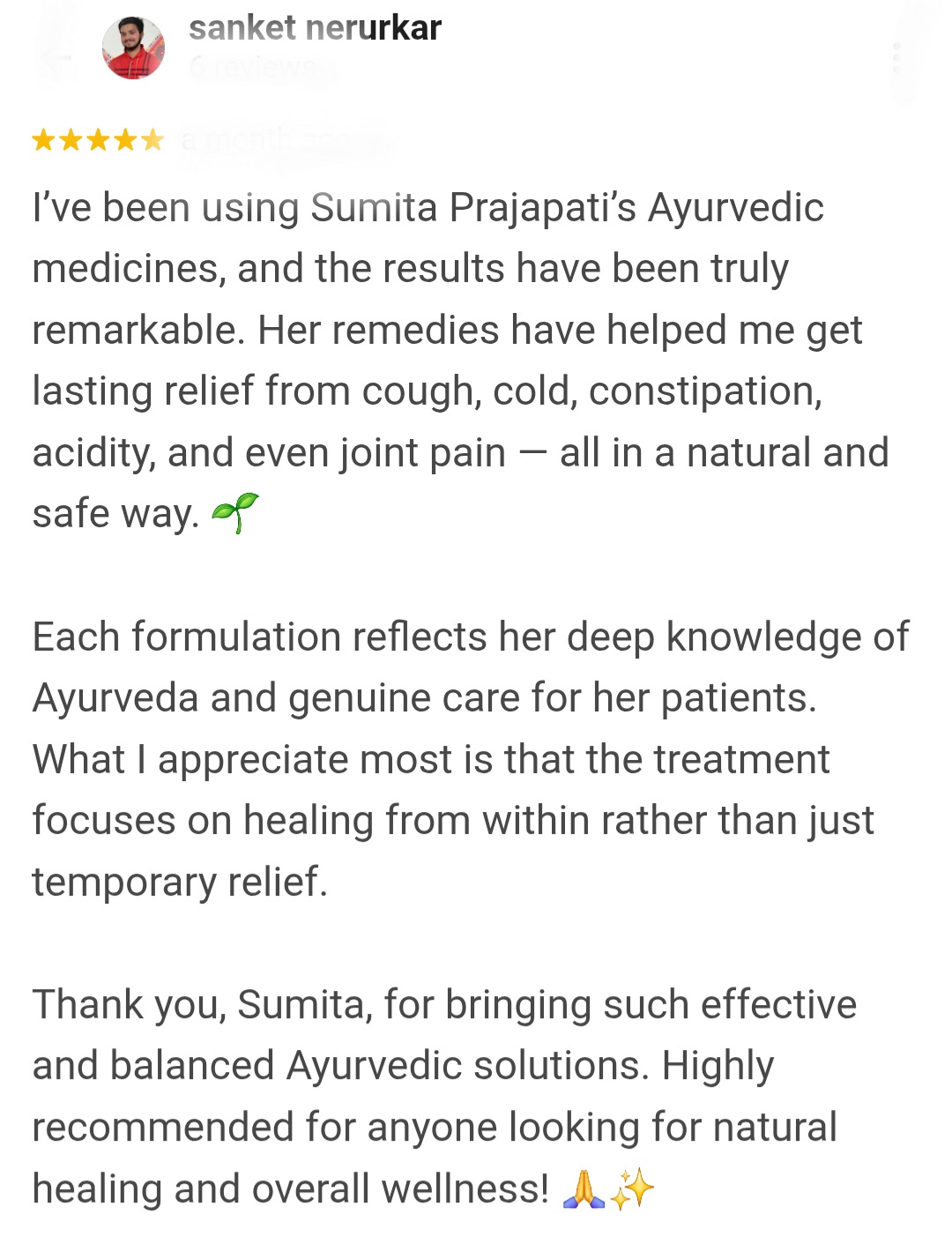
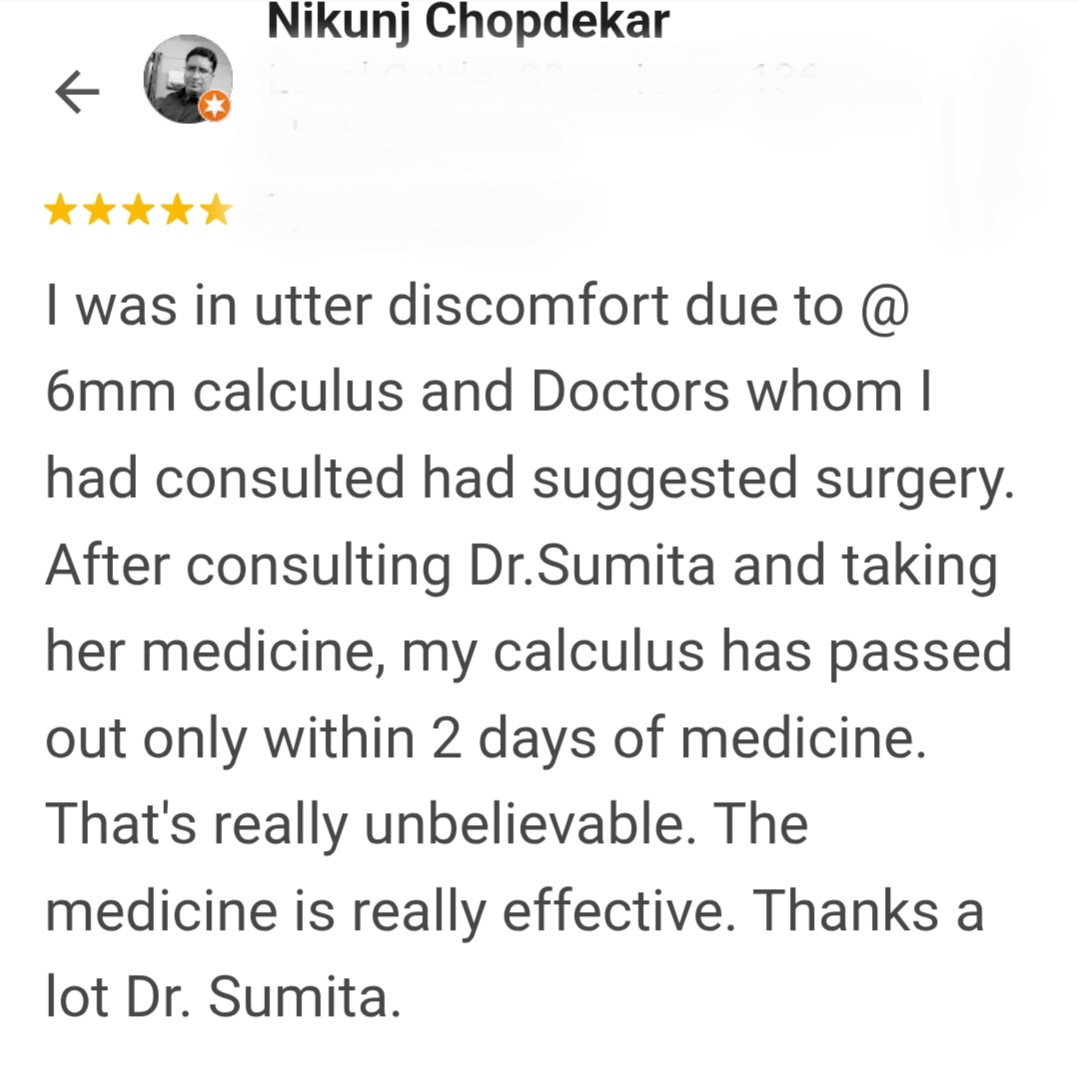
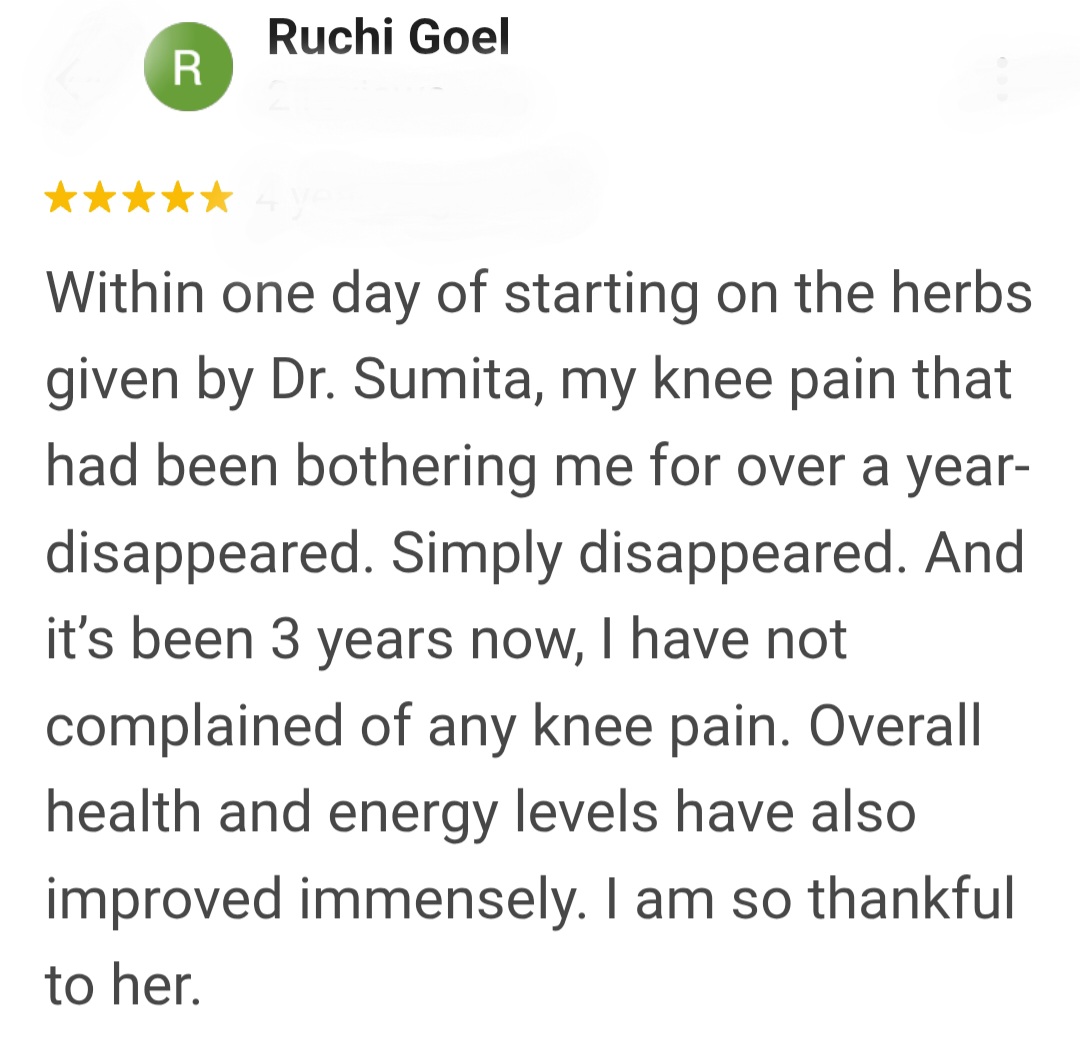
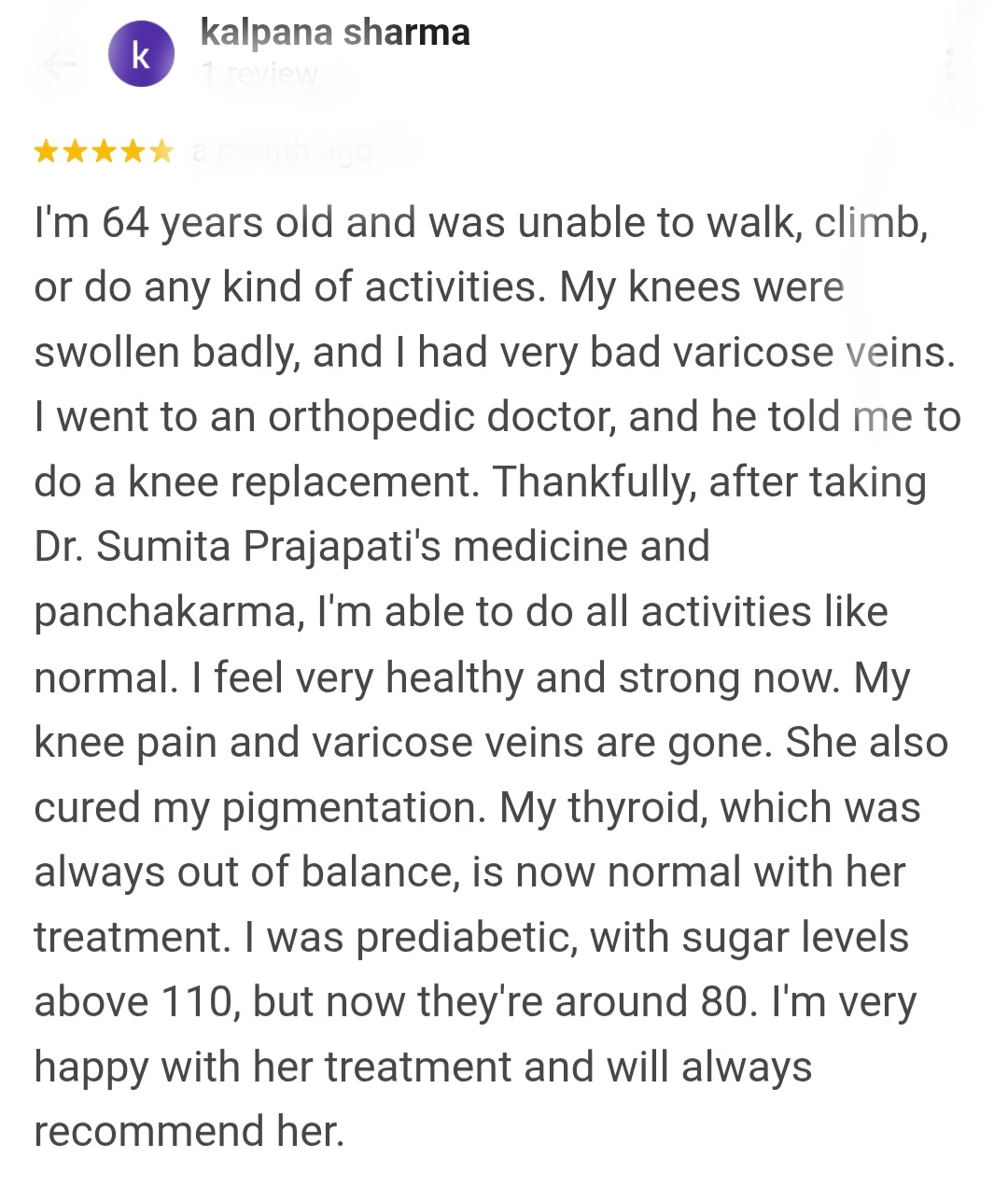
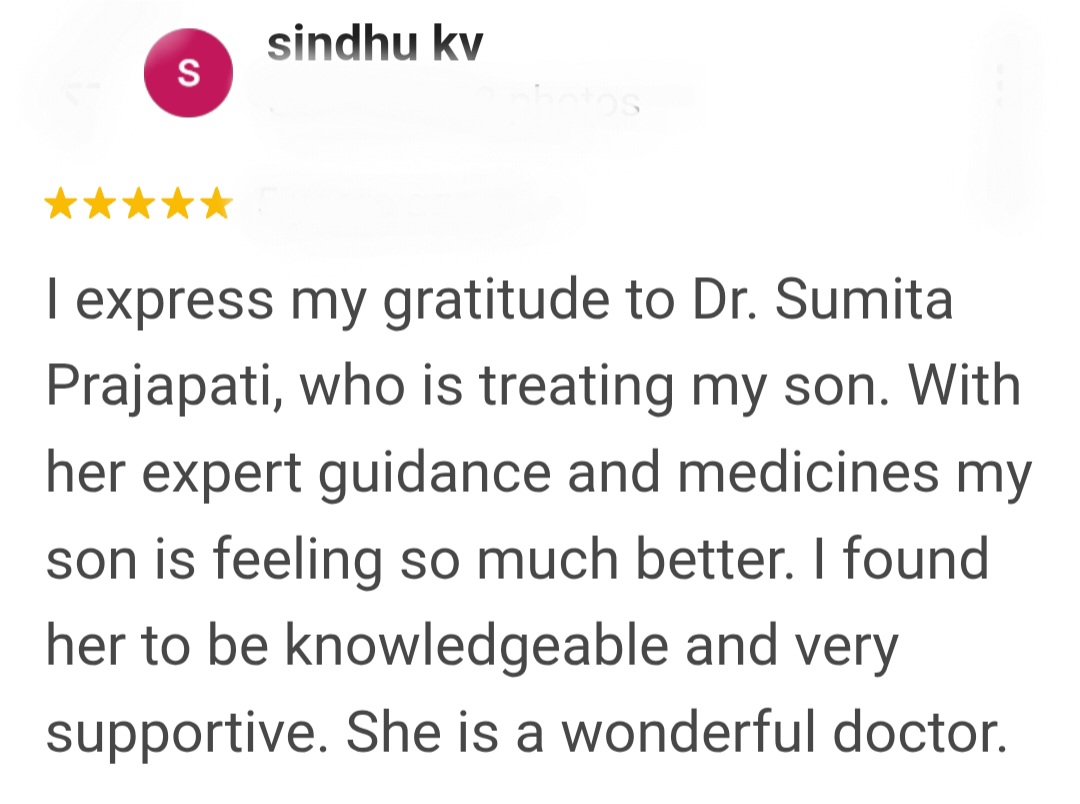
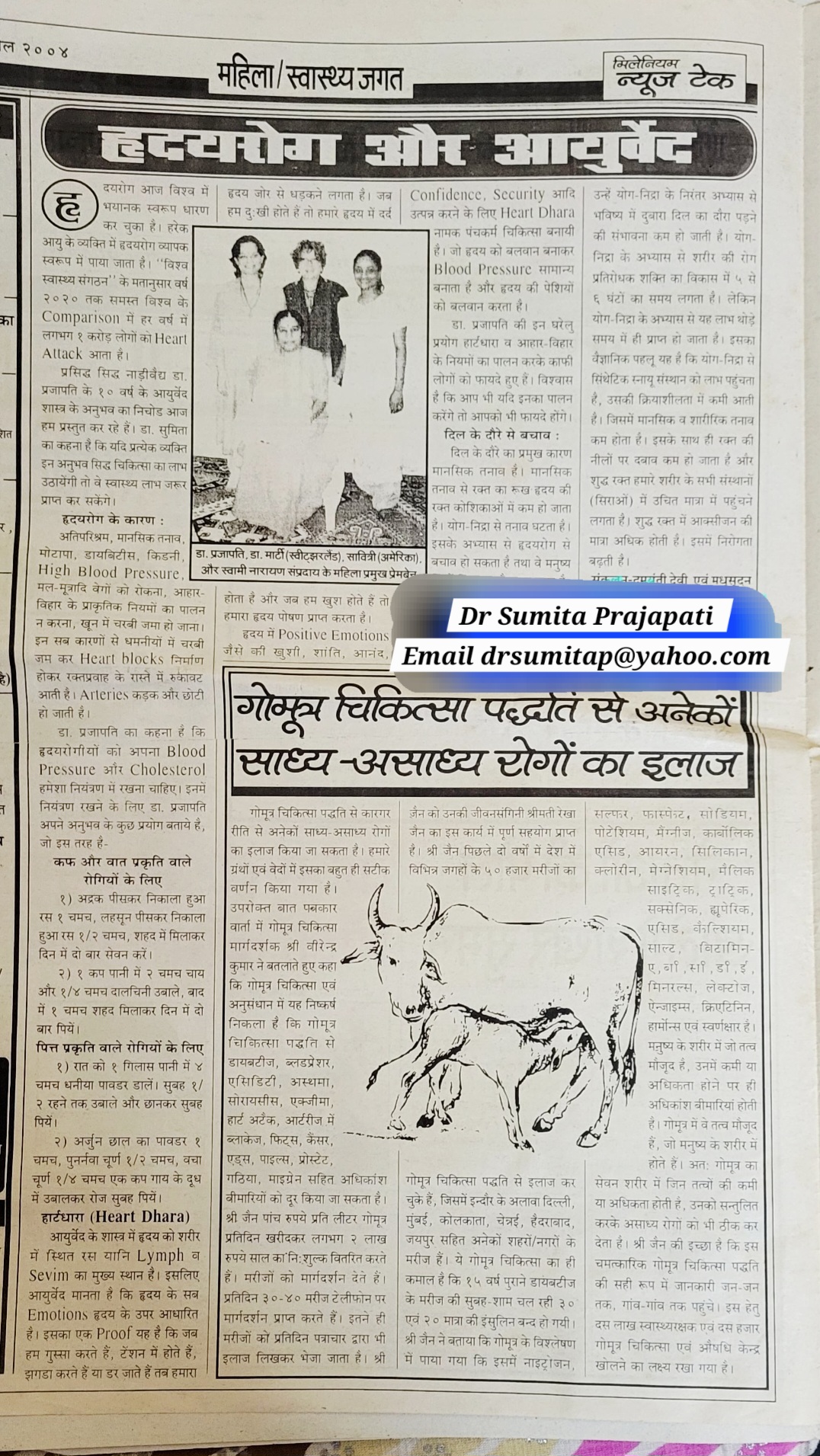
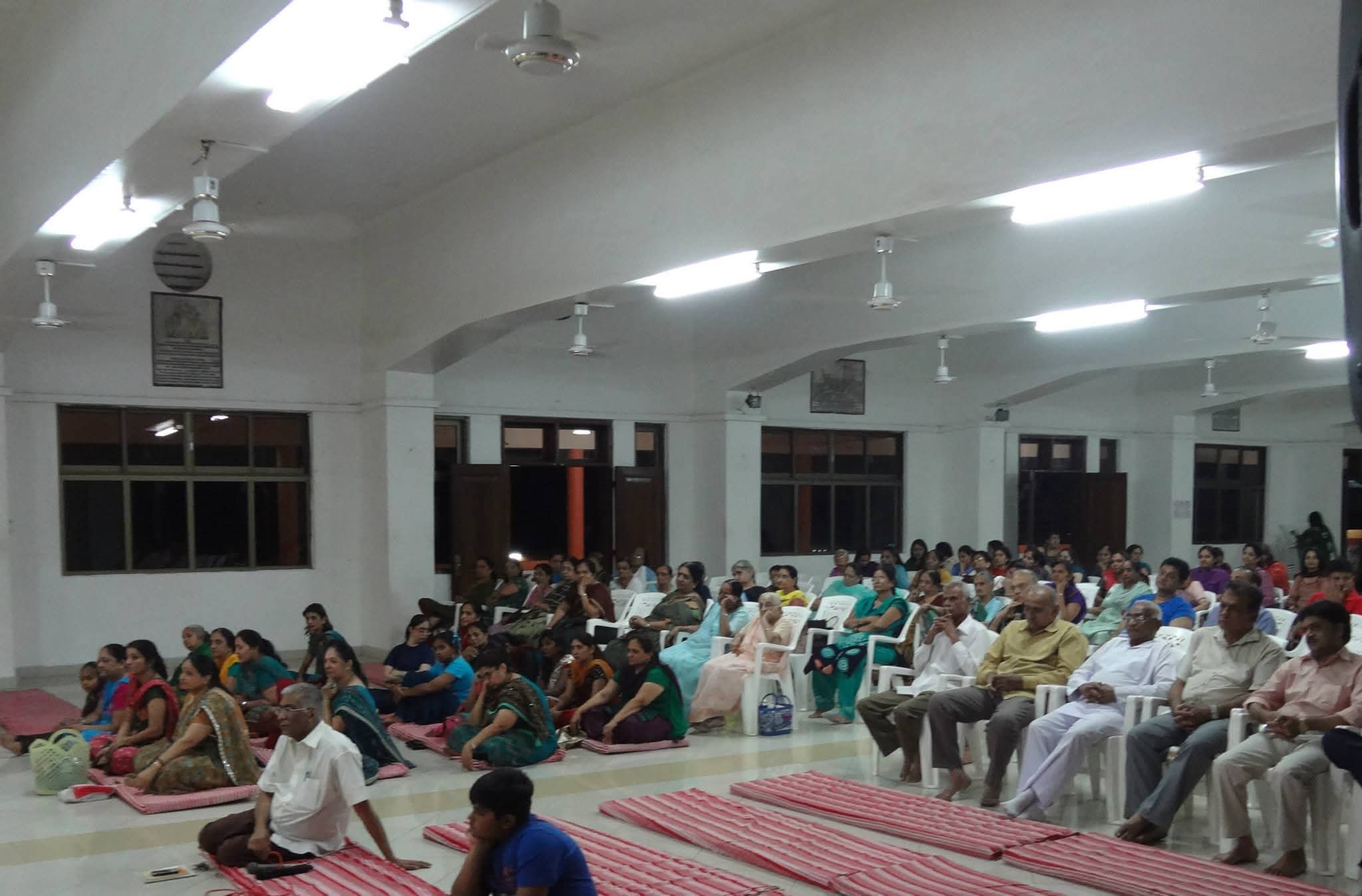
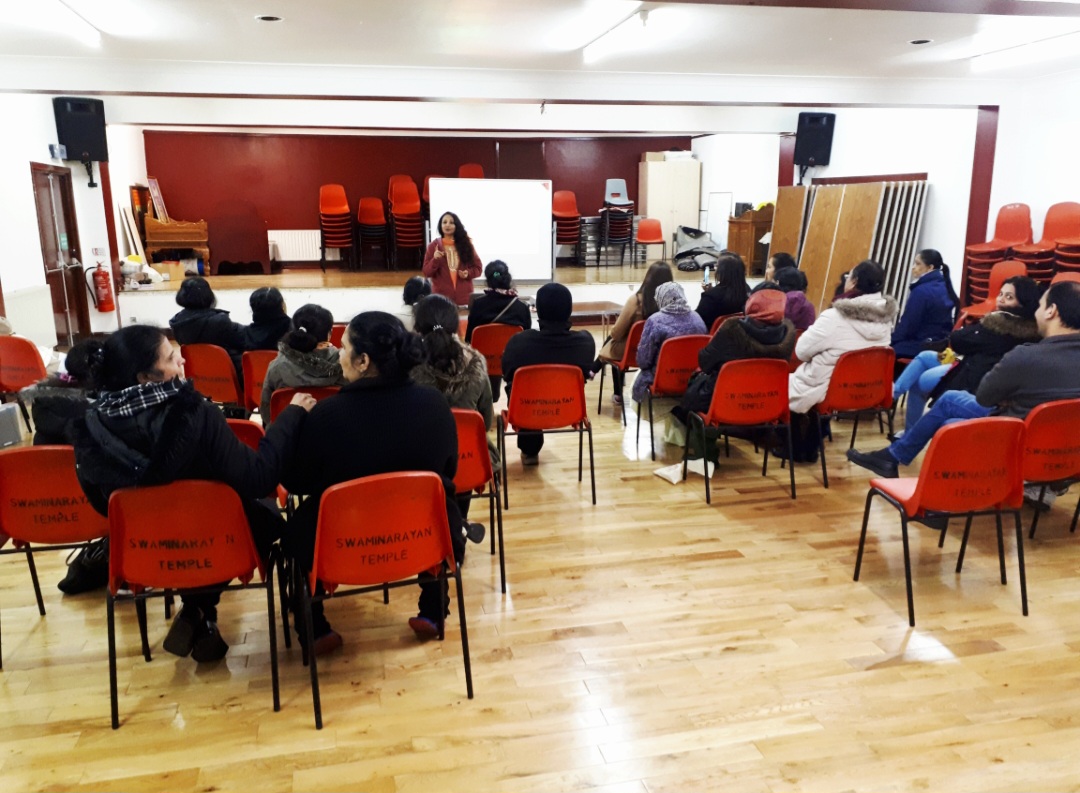
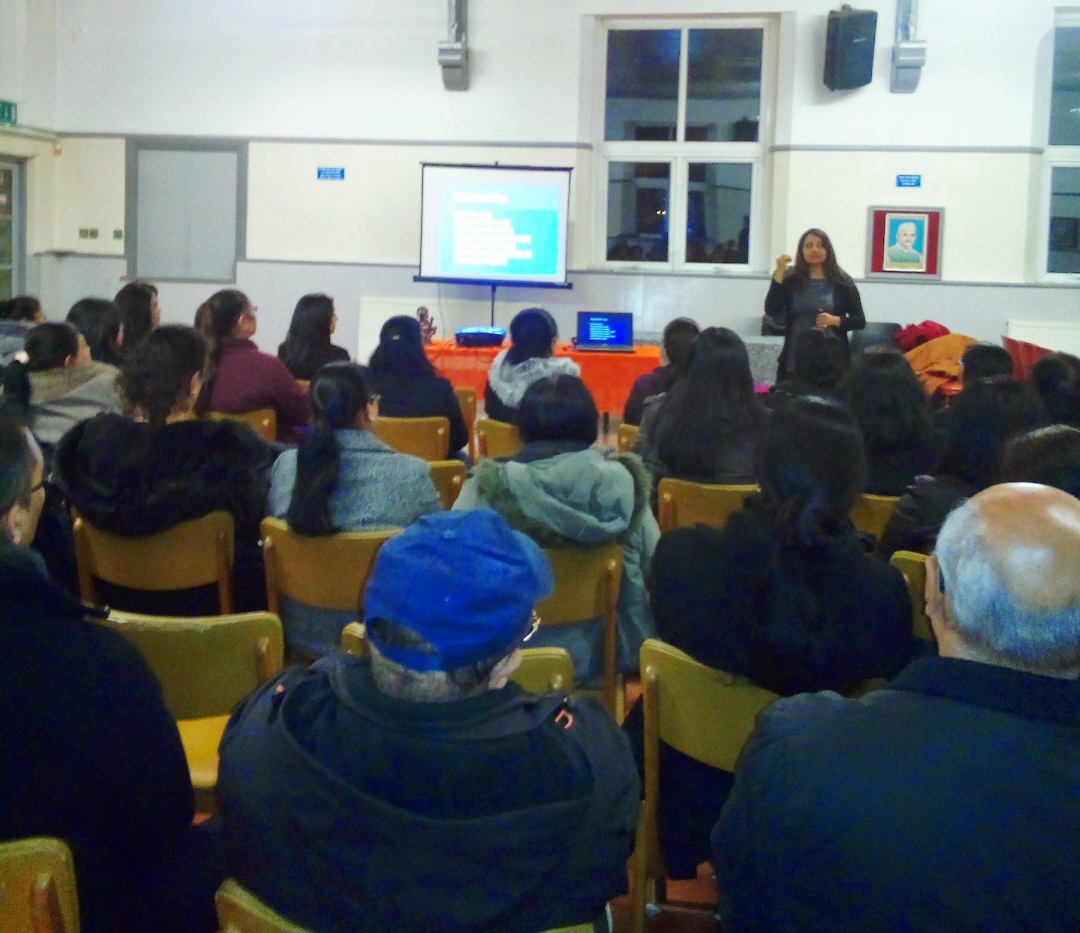
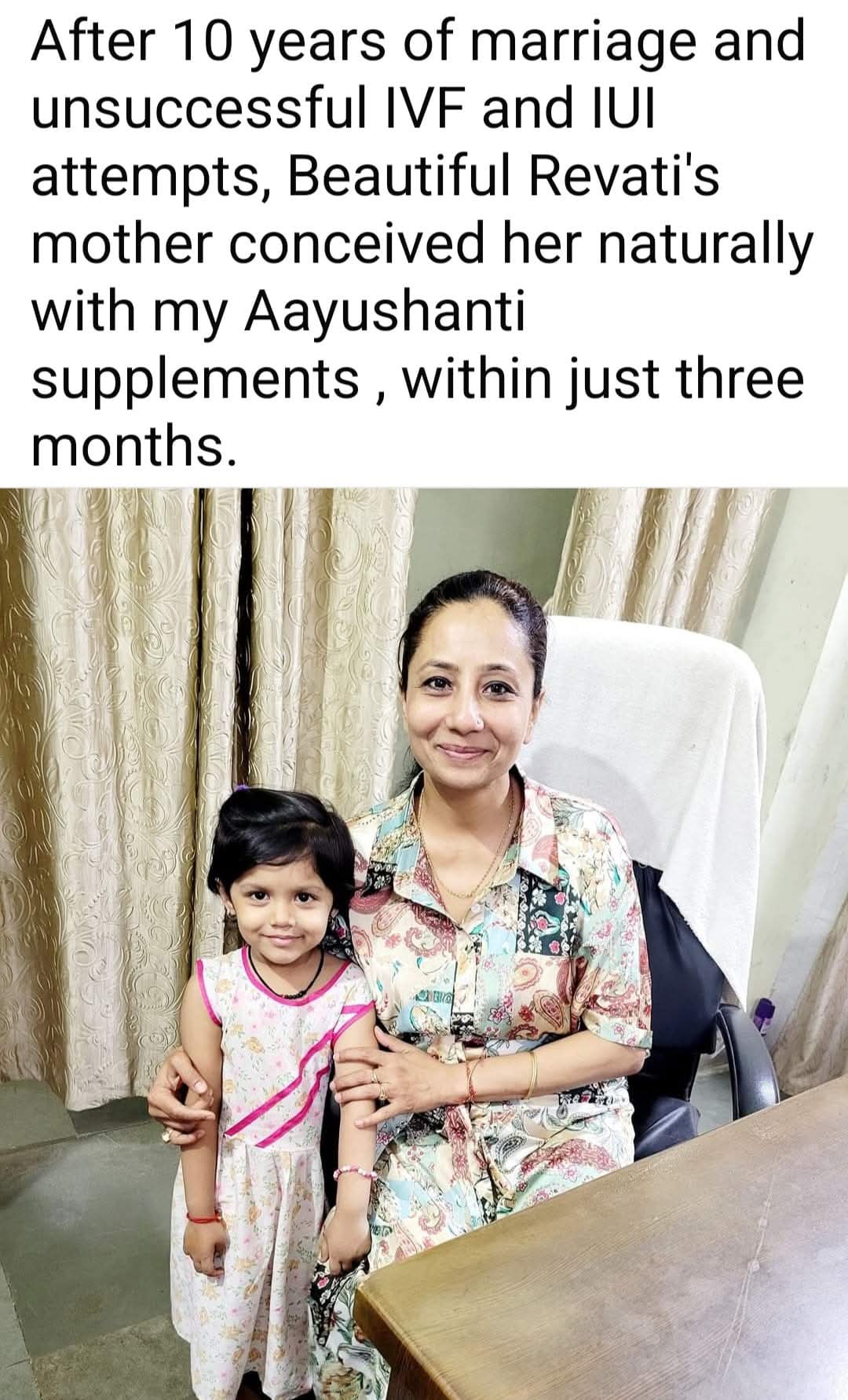
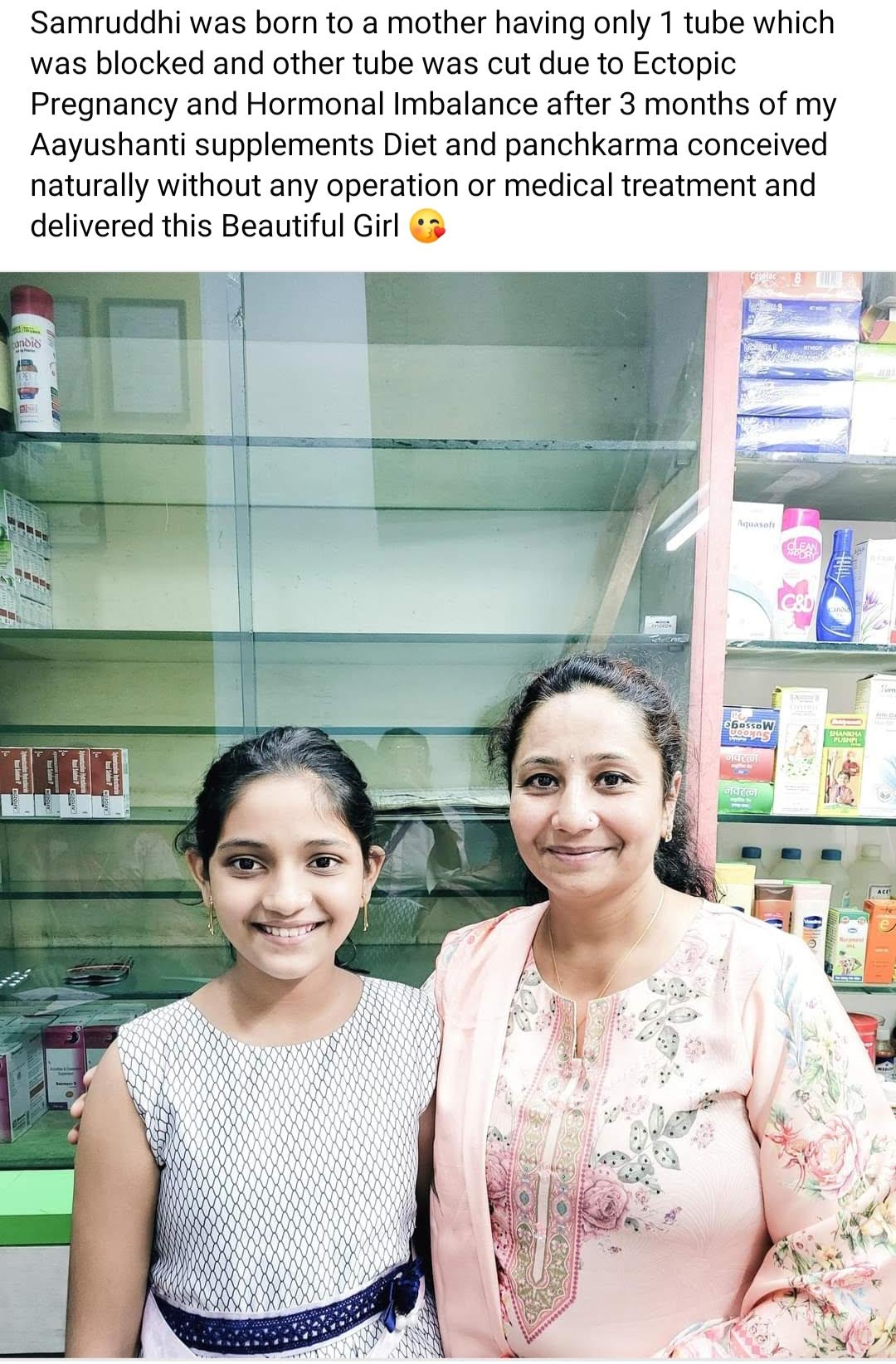
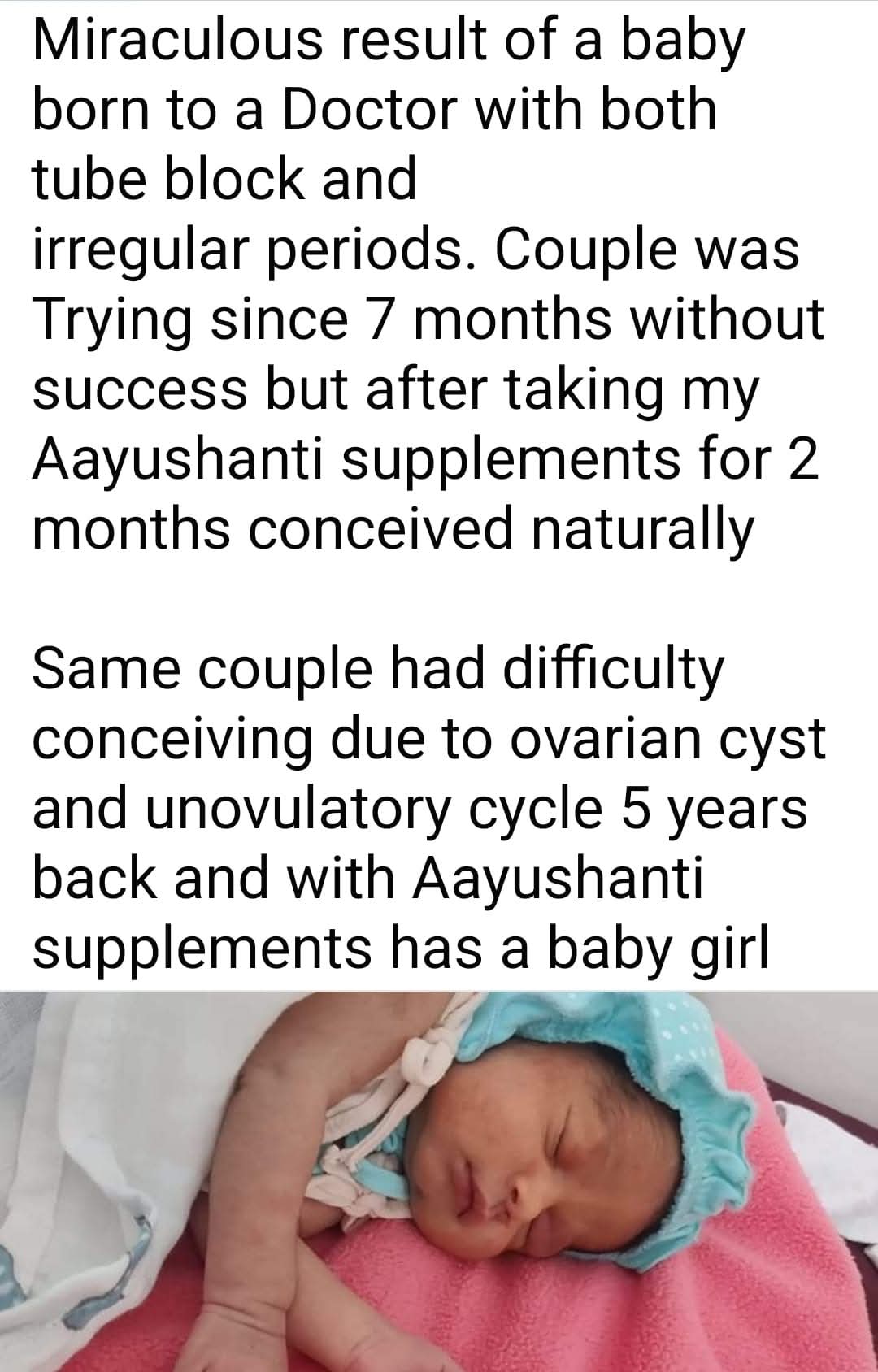
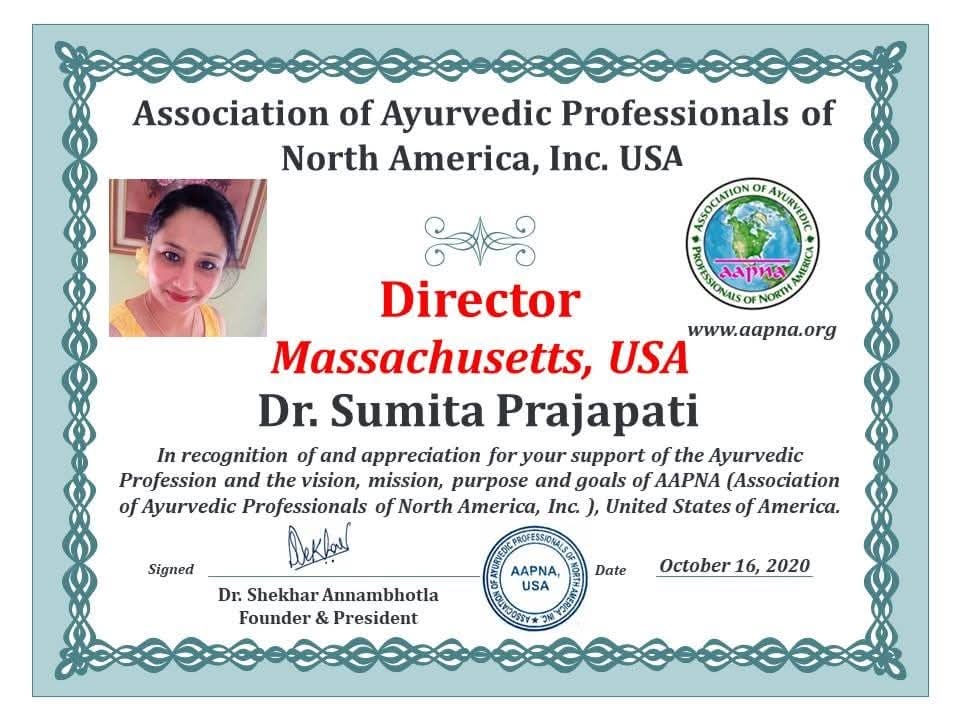
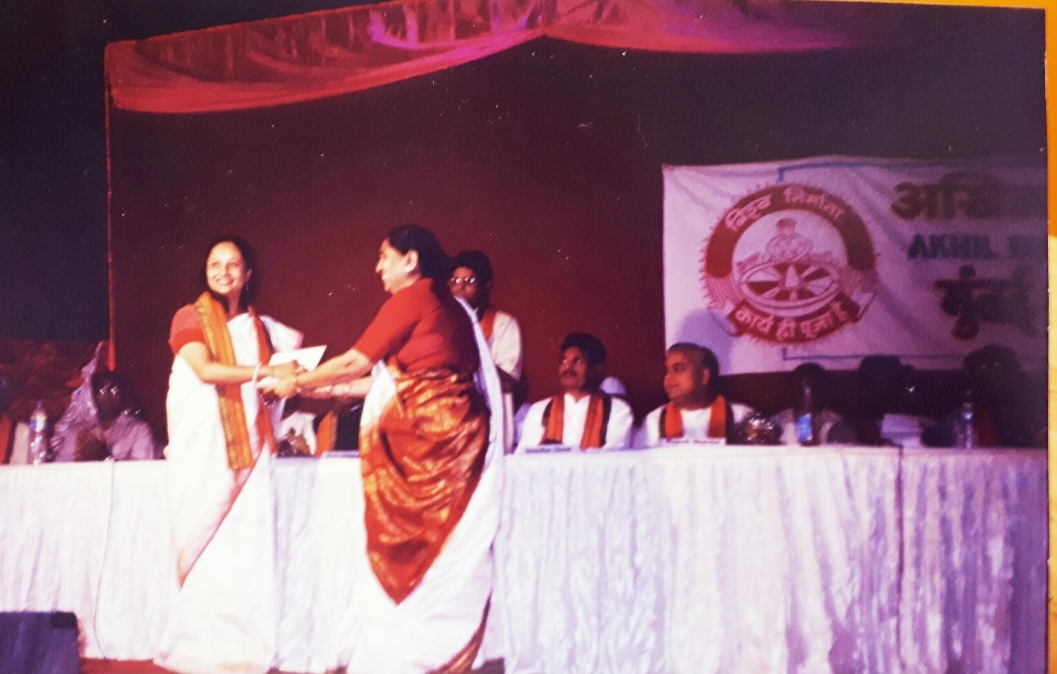
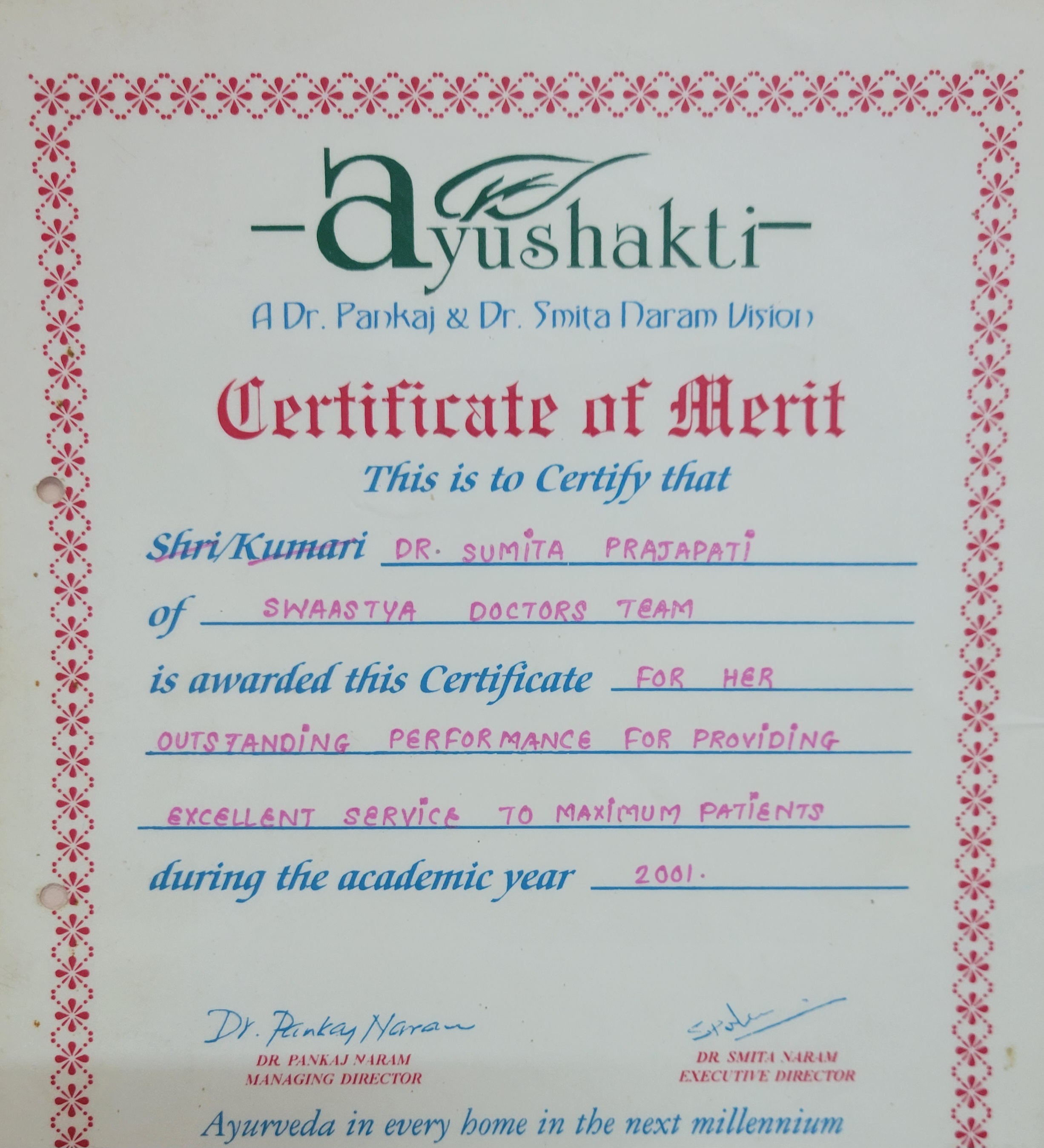
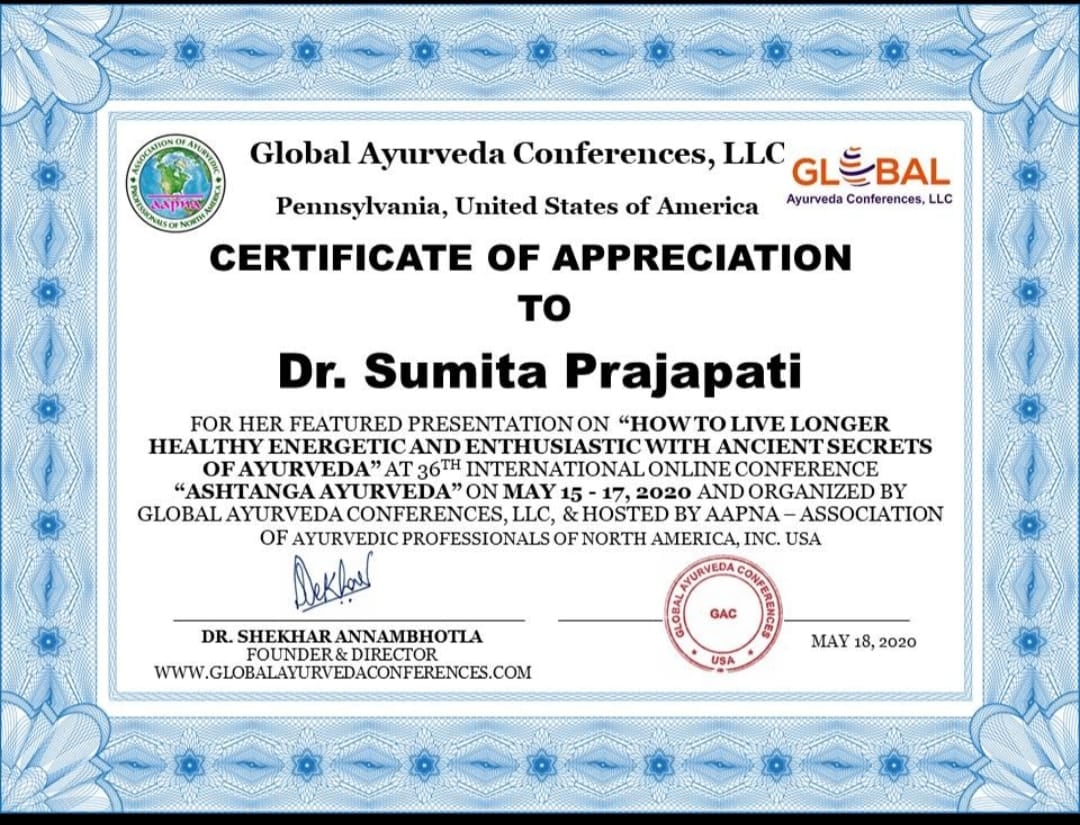
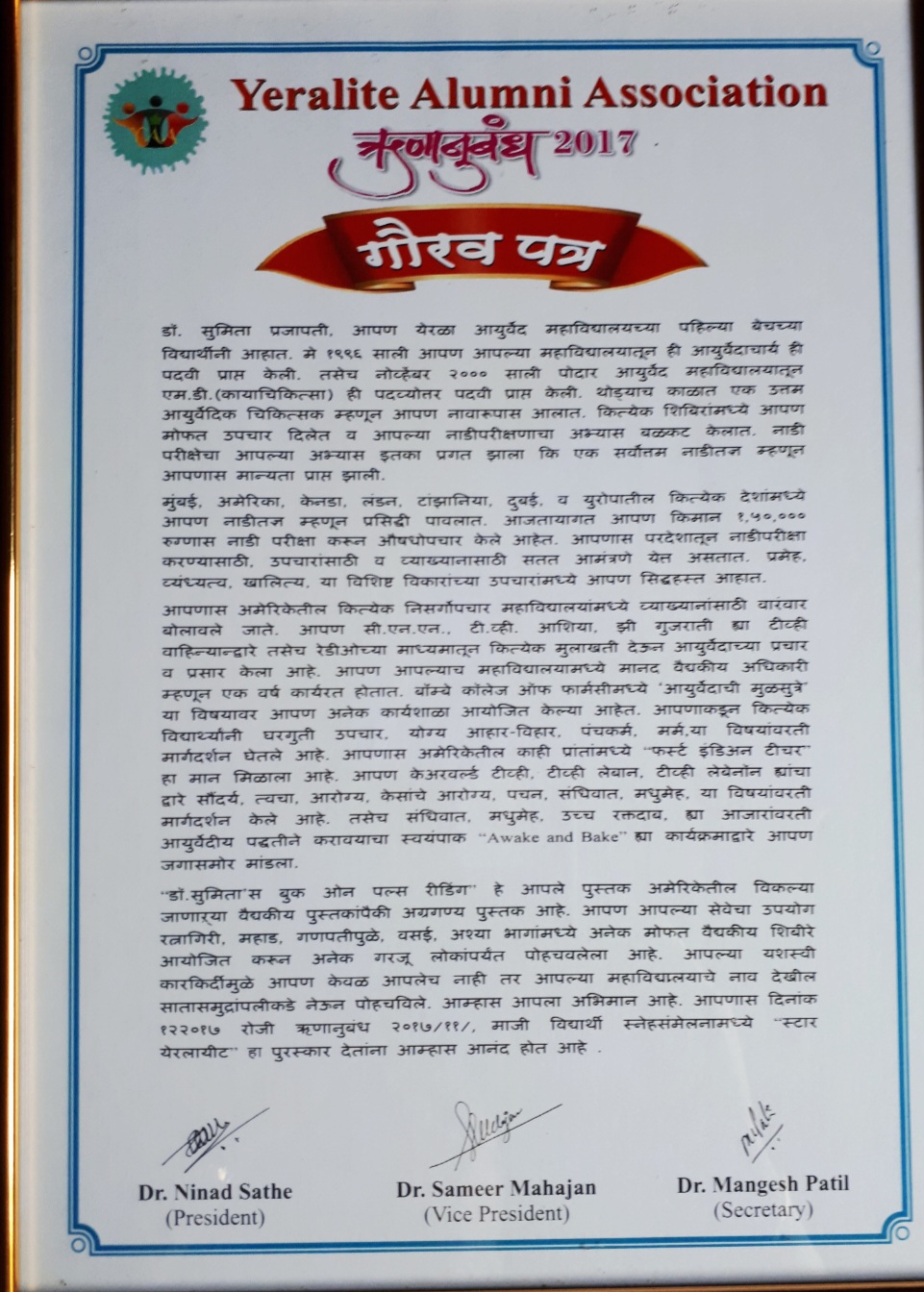
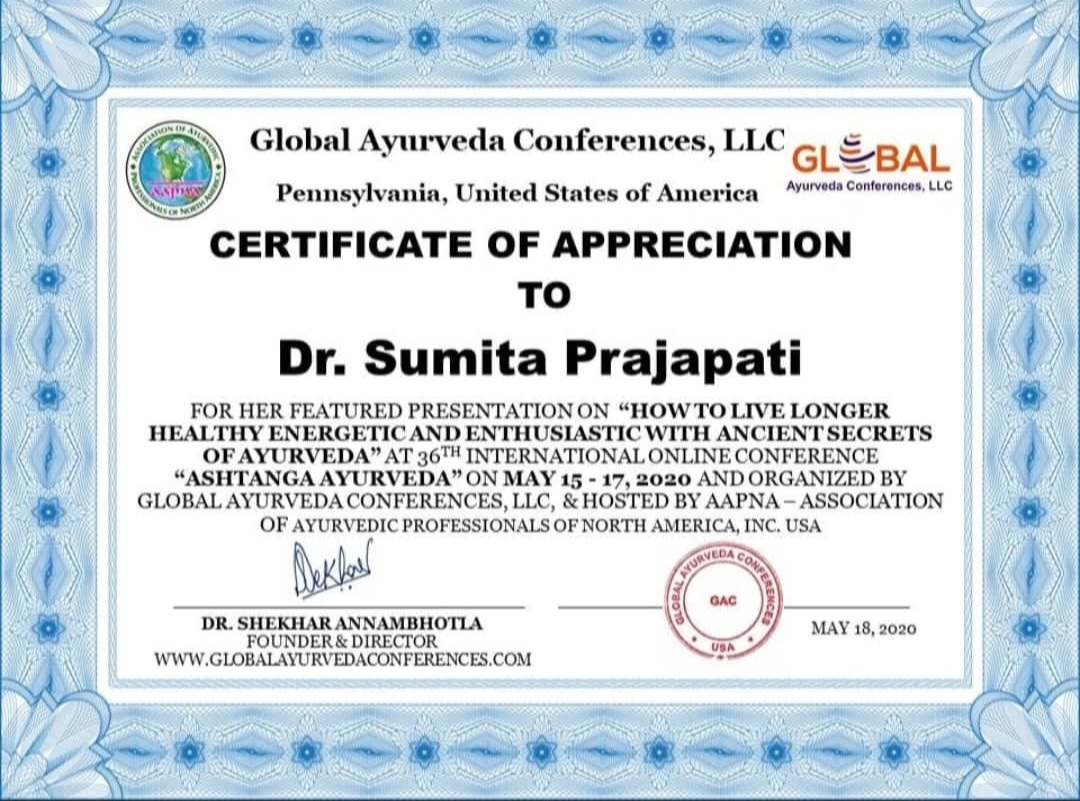
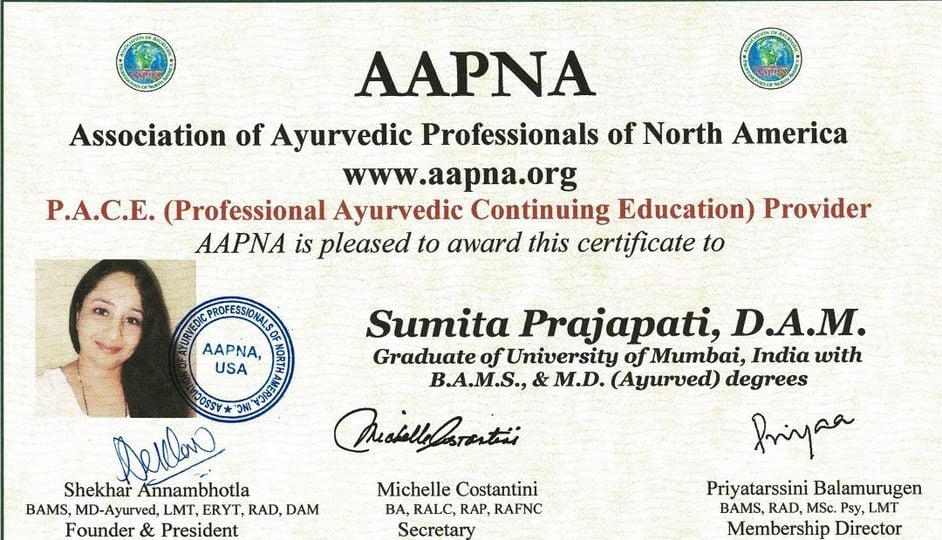
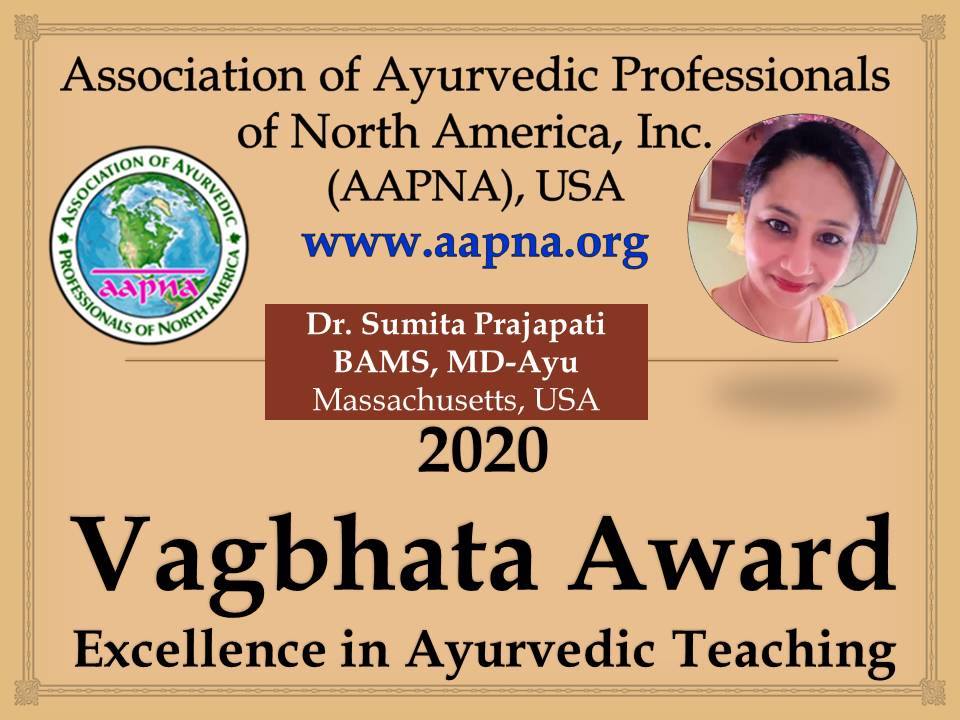
Experience the power of natural healing, wellness, and balance with authentic Ayurvedic care.
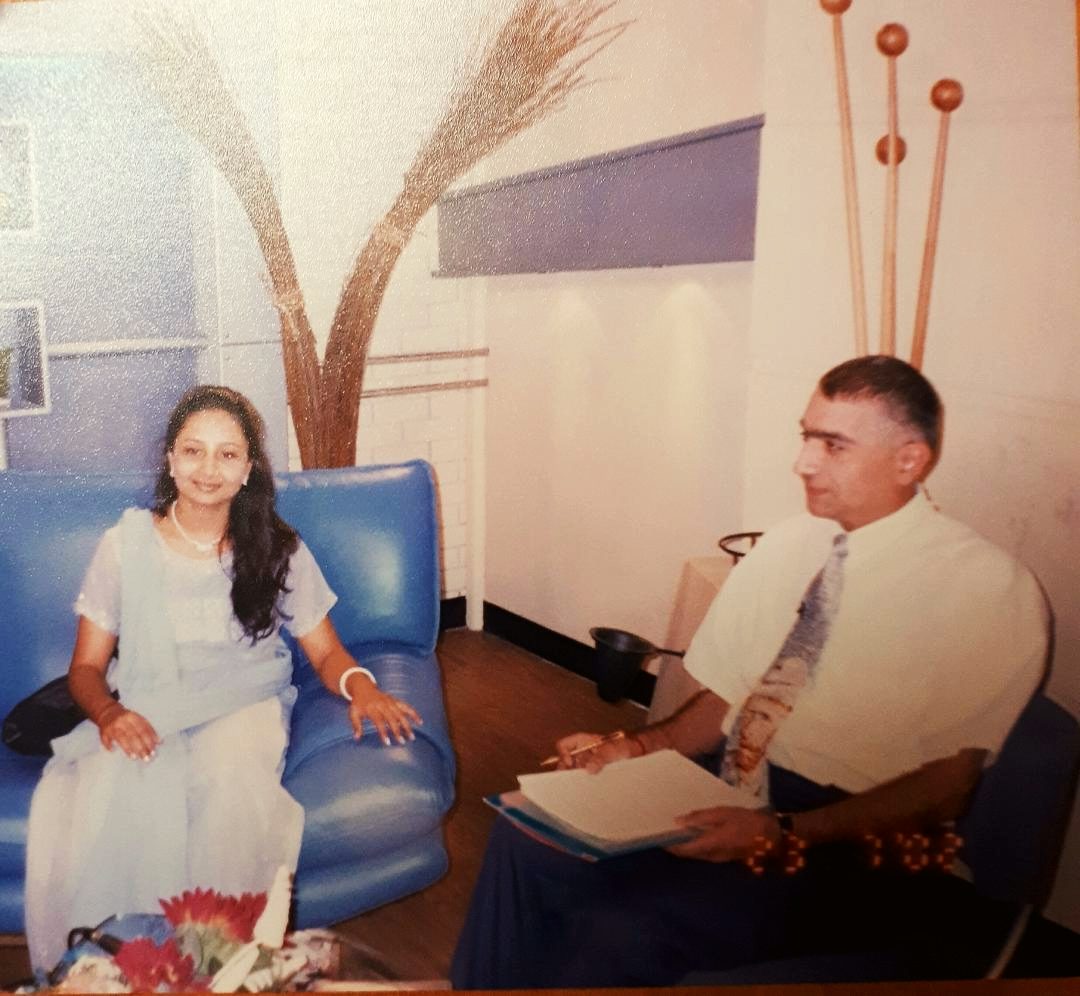
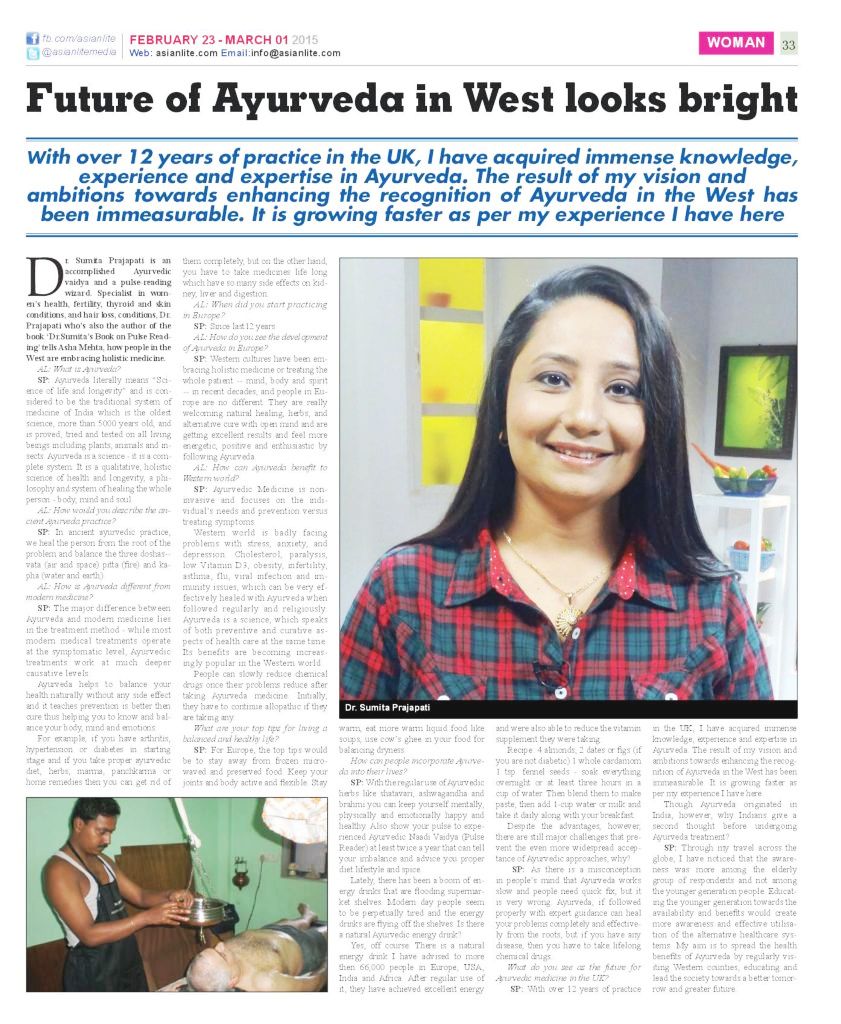
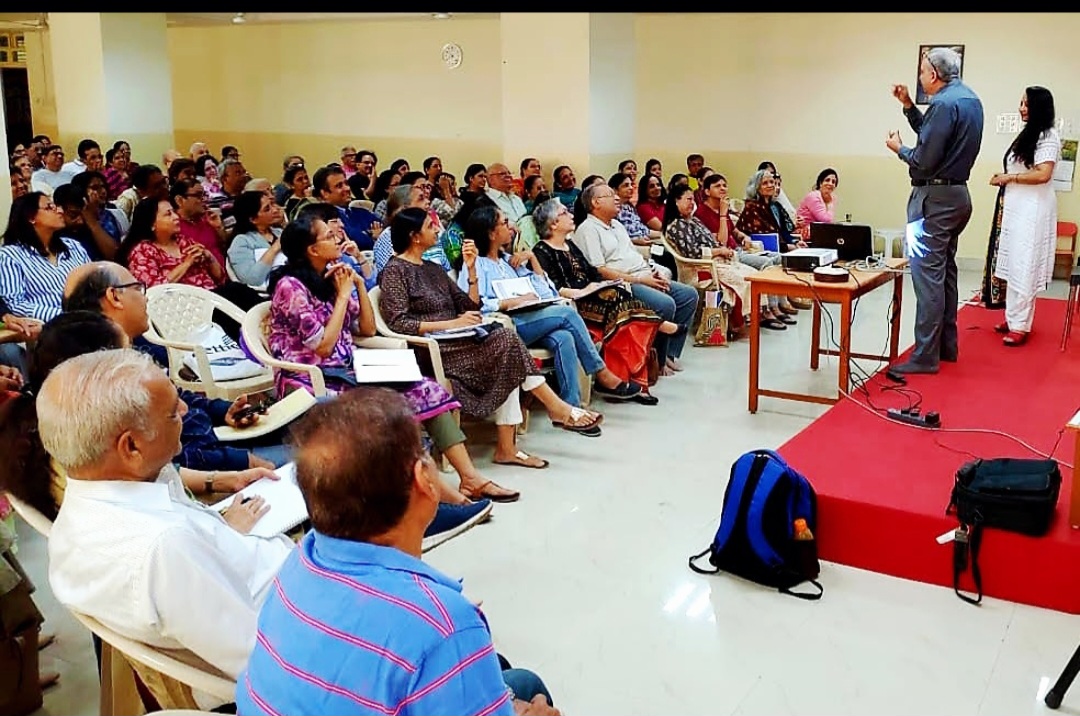
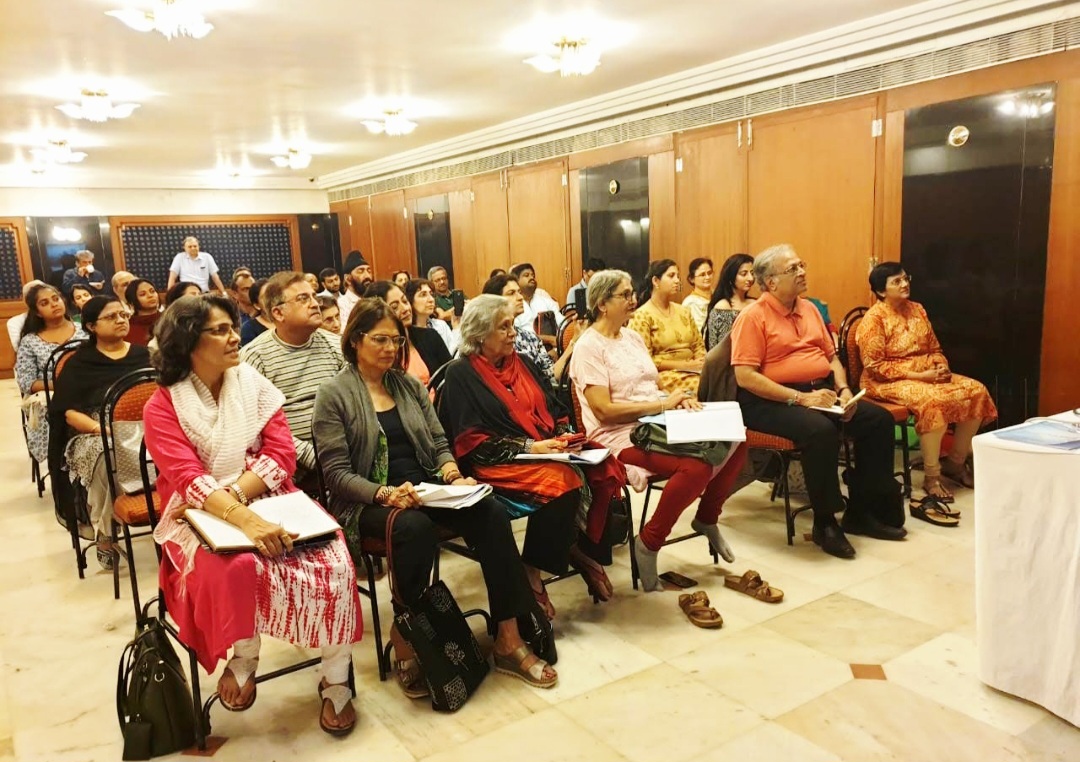
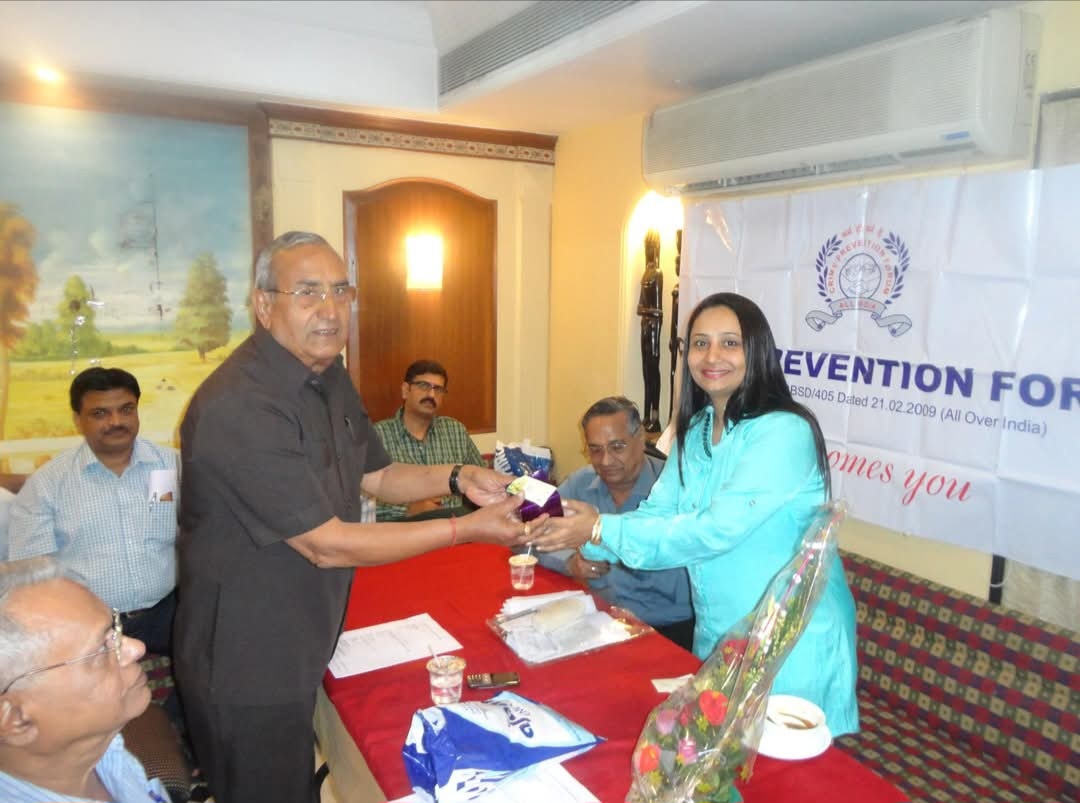
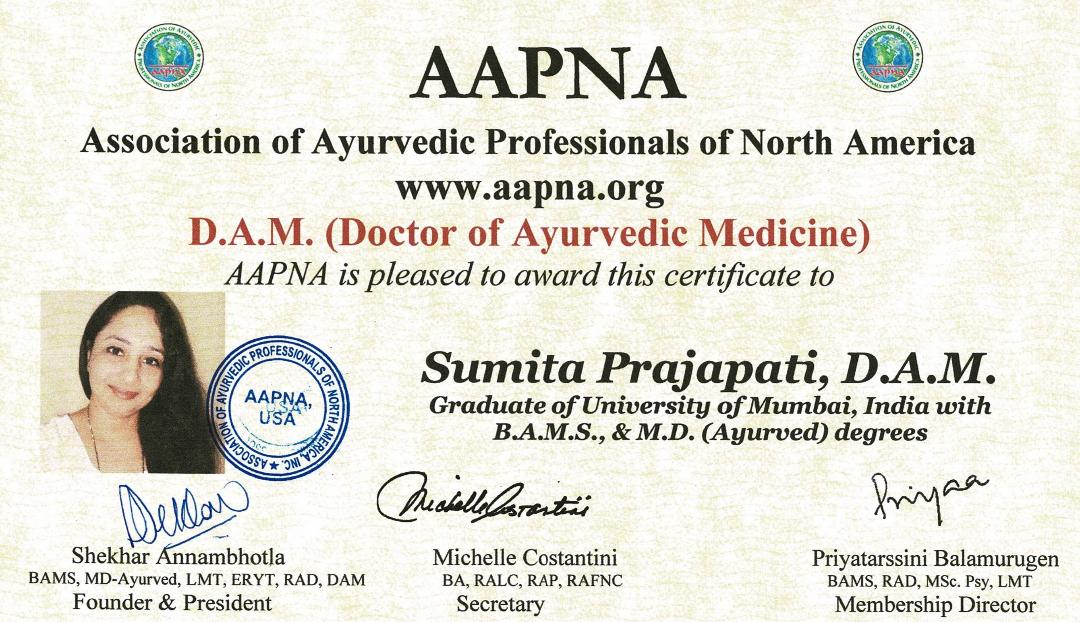
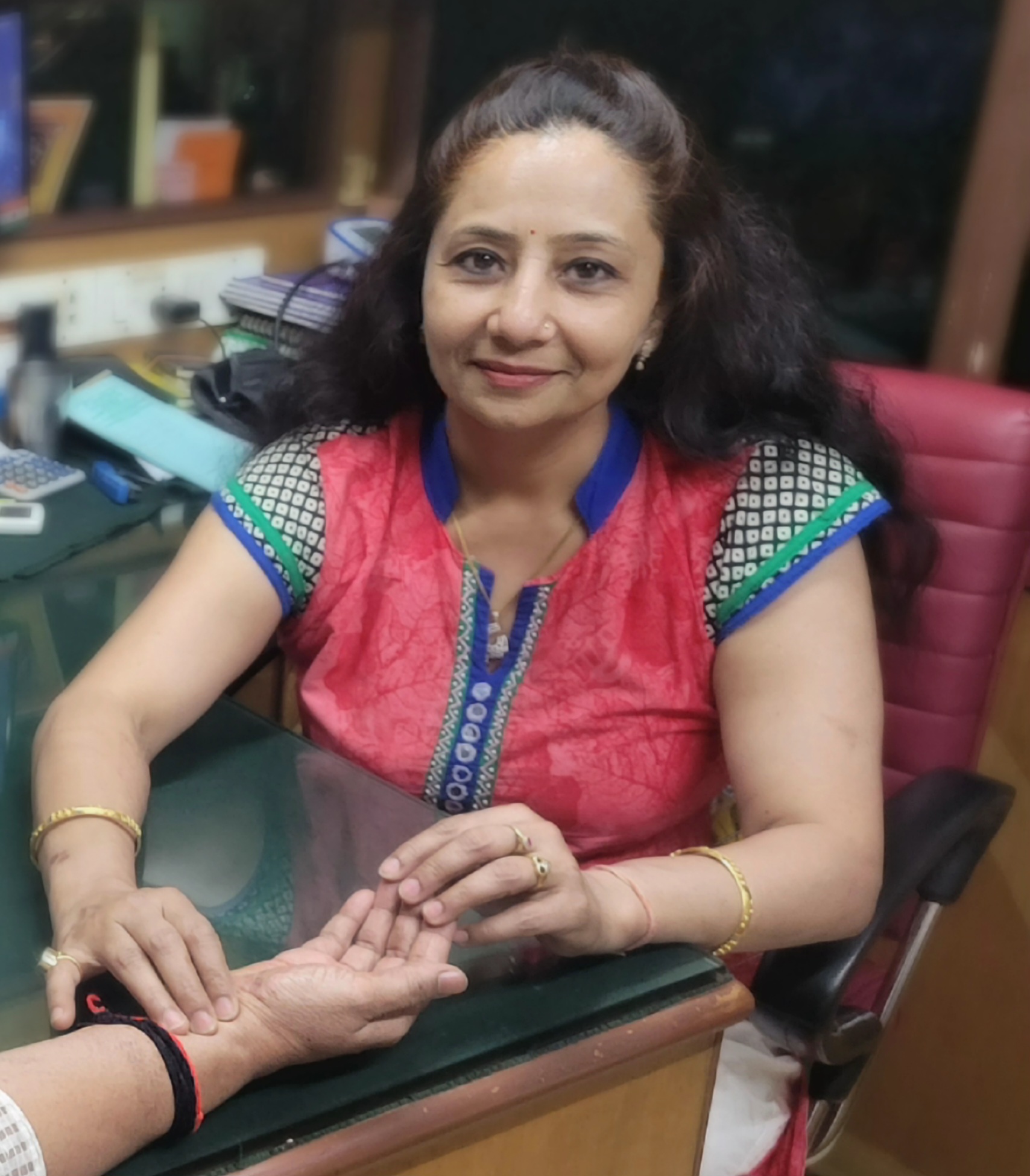
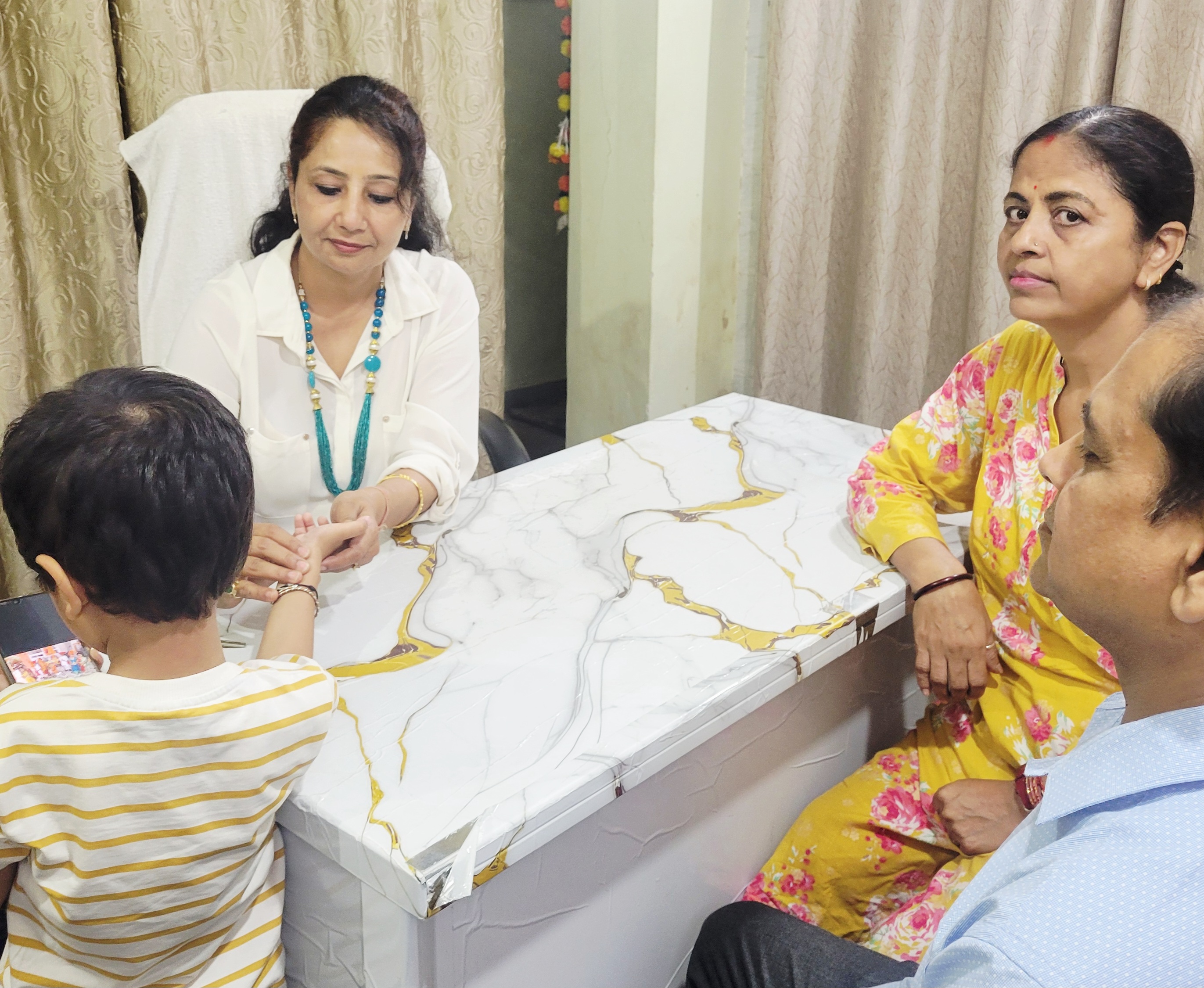
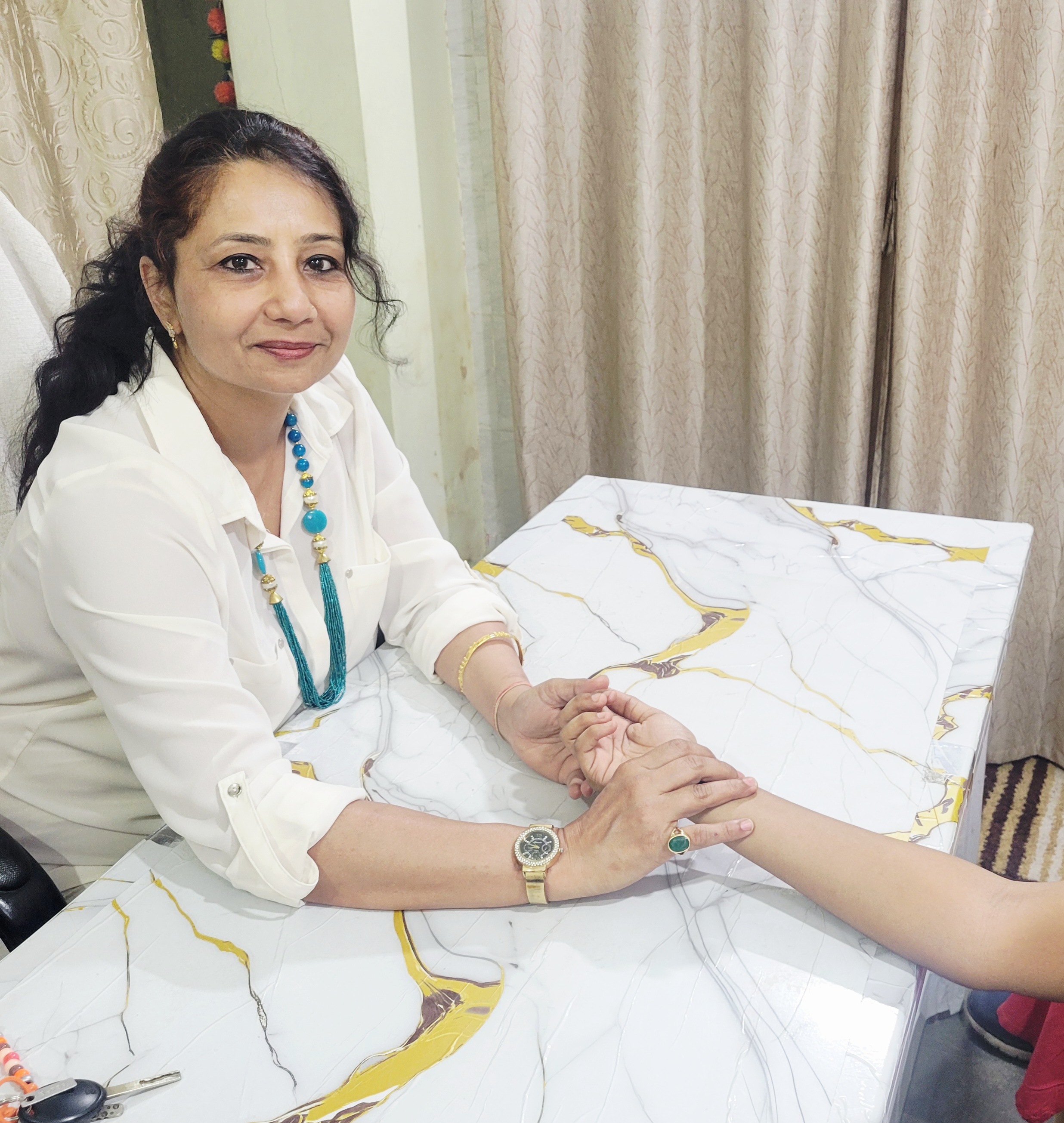
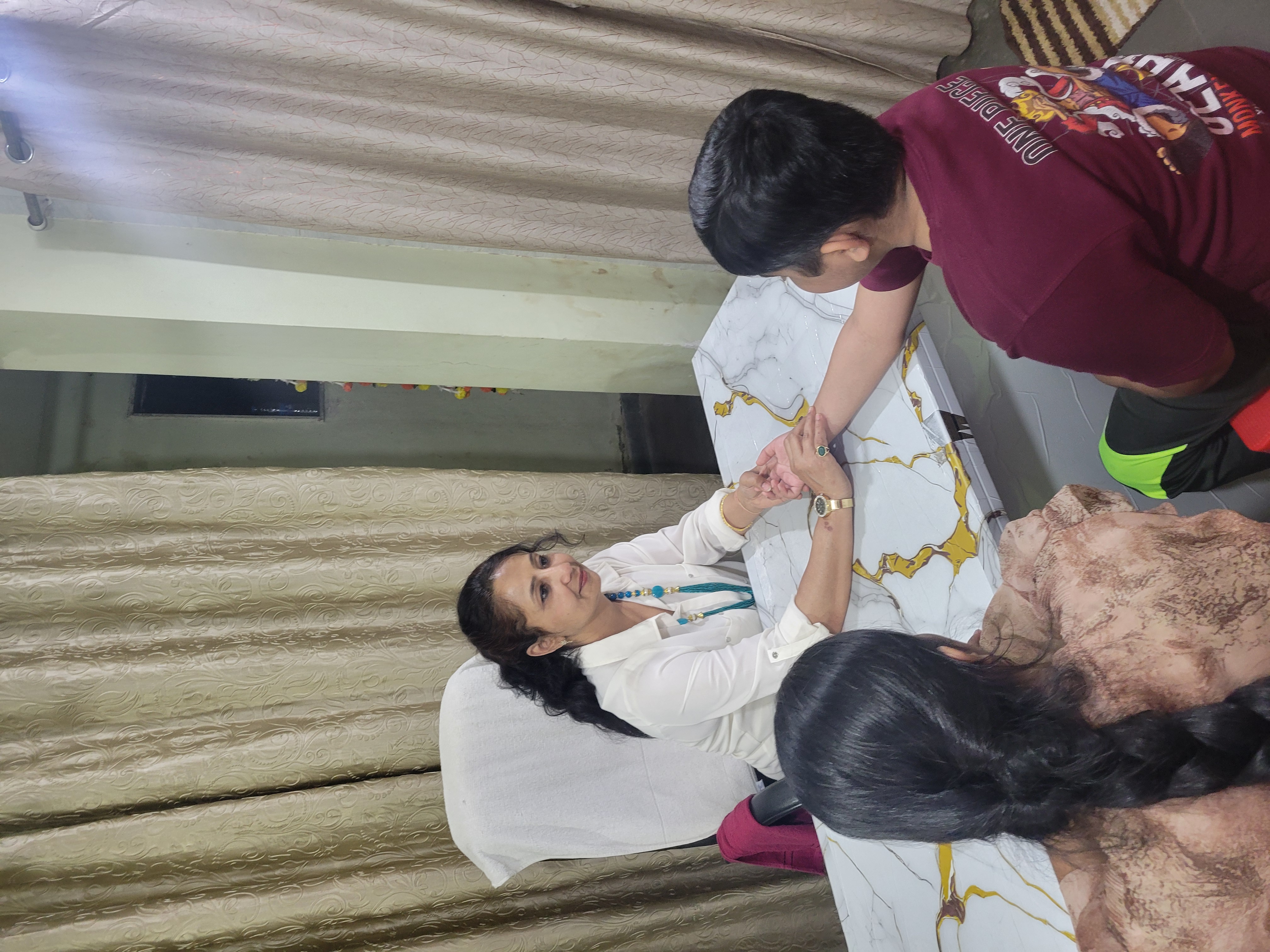
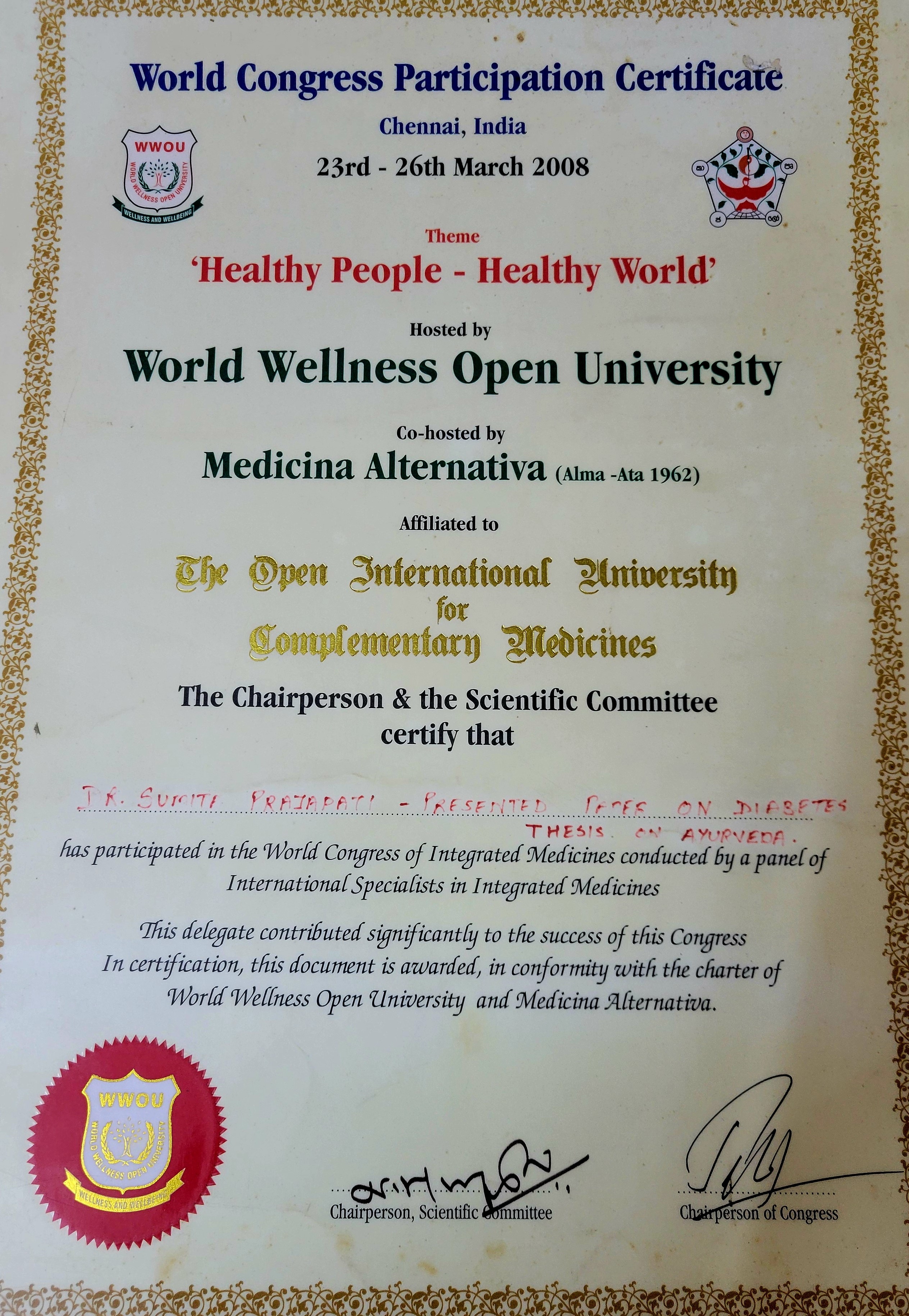
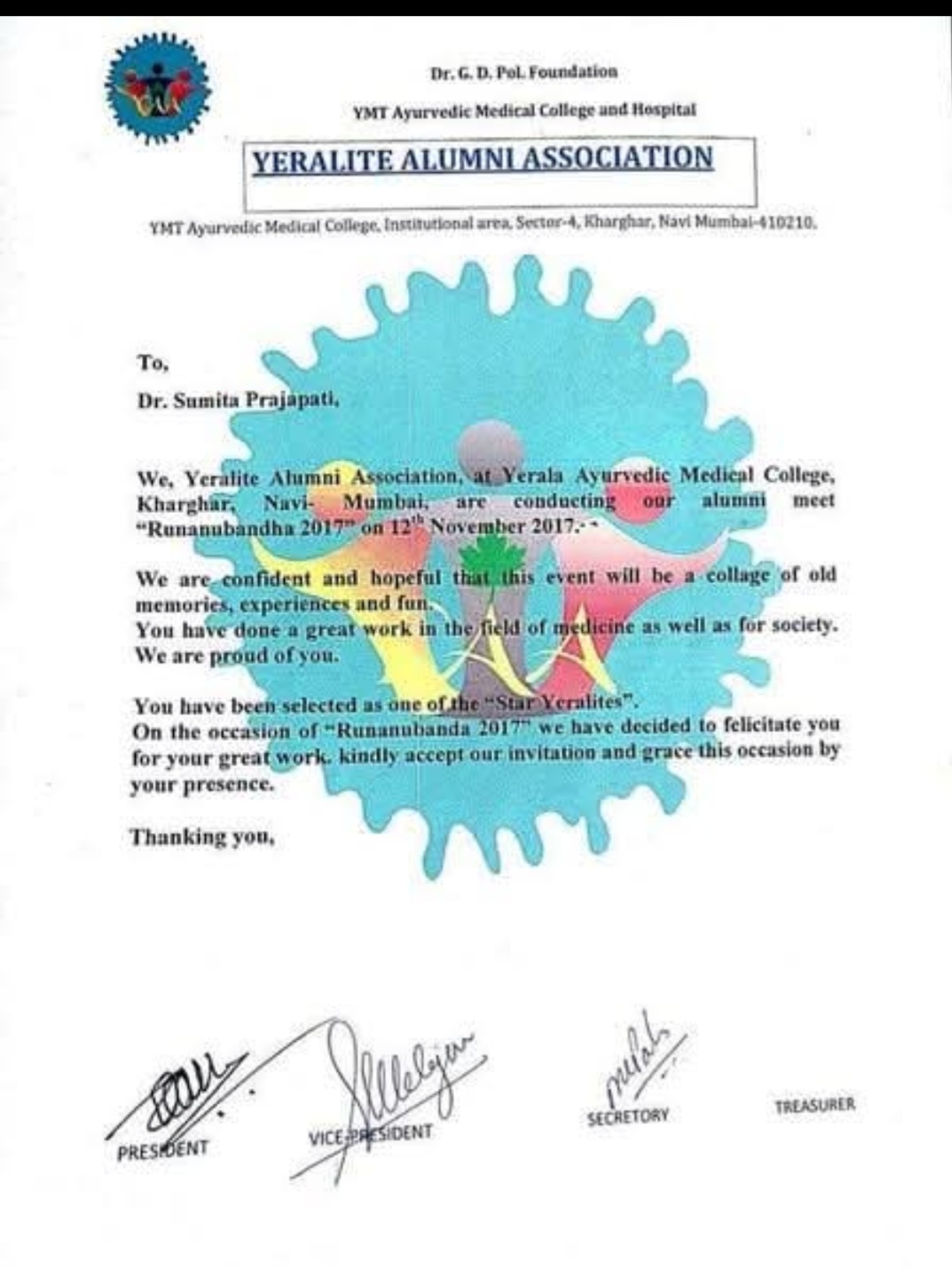
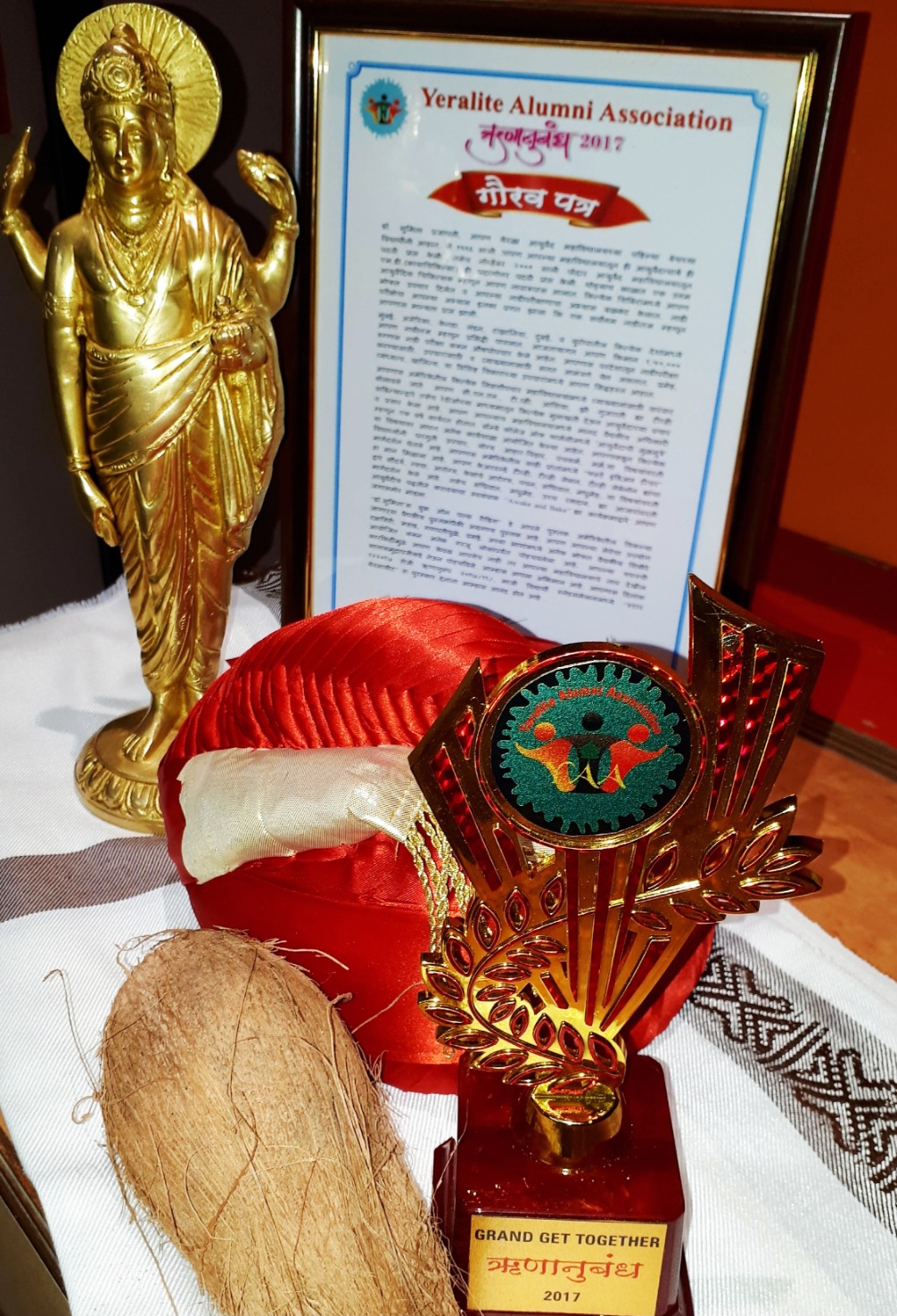
Book ConsultationOver 27 years of Ayurvedic practice, Dr. Sumita Prajapati has helped thousands of patients across India and around the world through consultations, workshops, education, and holistic healing.
She has successfully healed numerous clients across America, Switzerland, Europe, the UK, and Canada. She frequently travels internationally to conduct workshops and consultations.
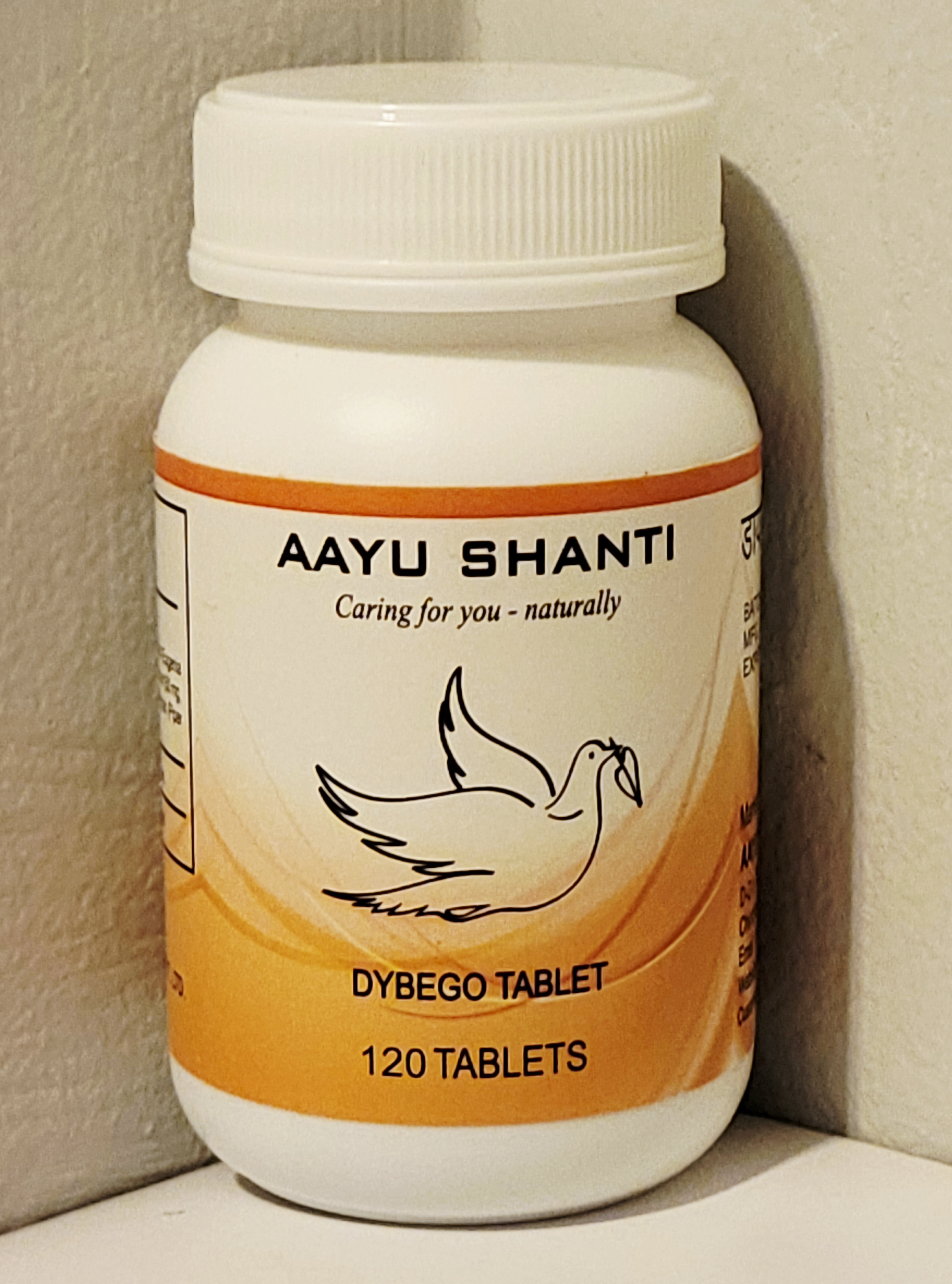
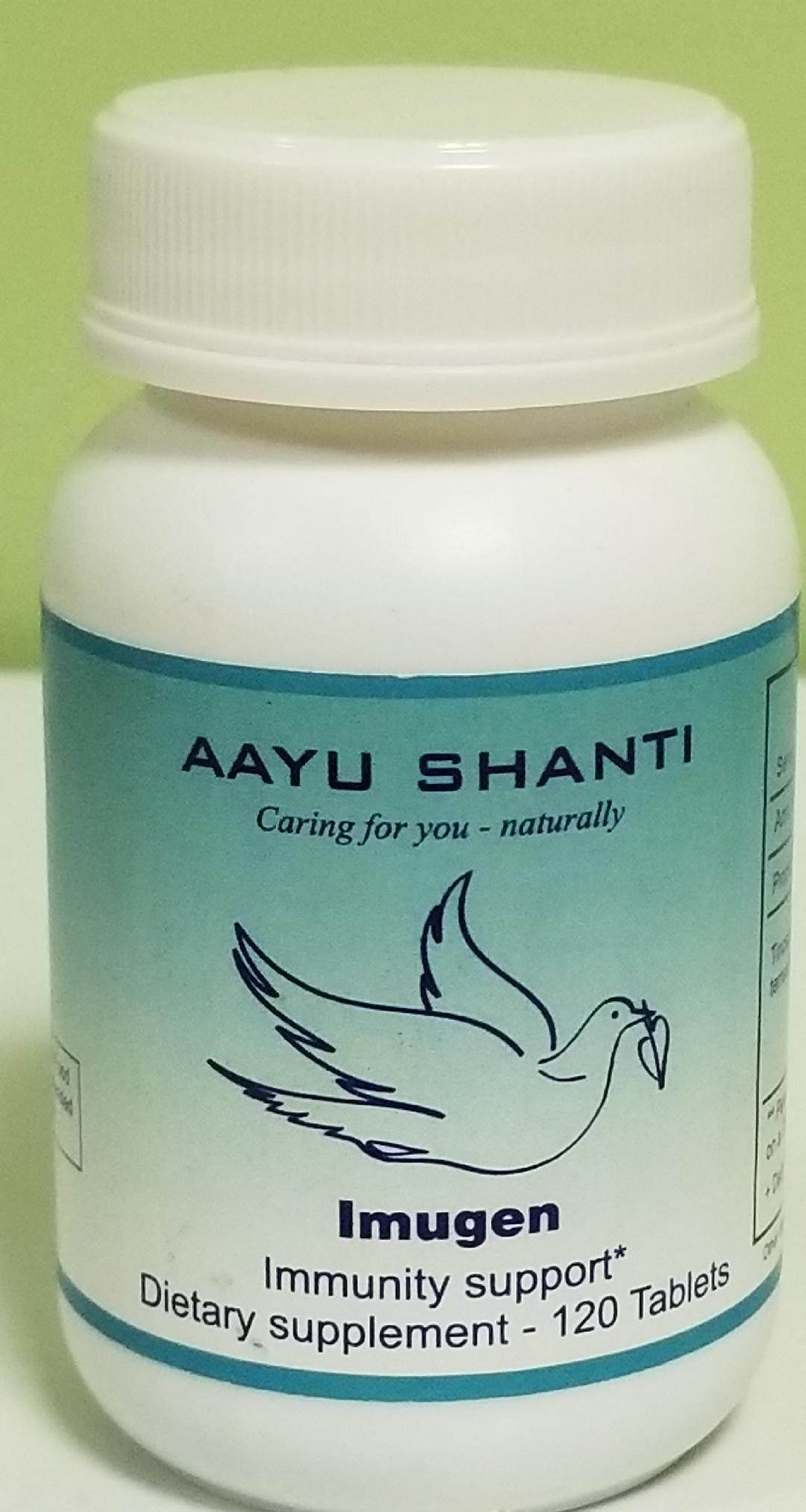
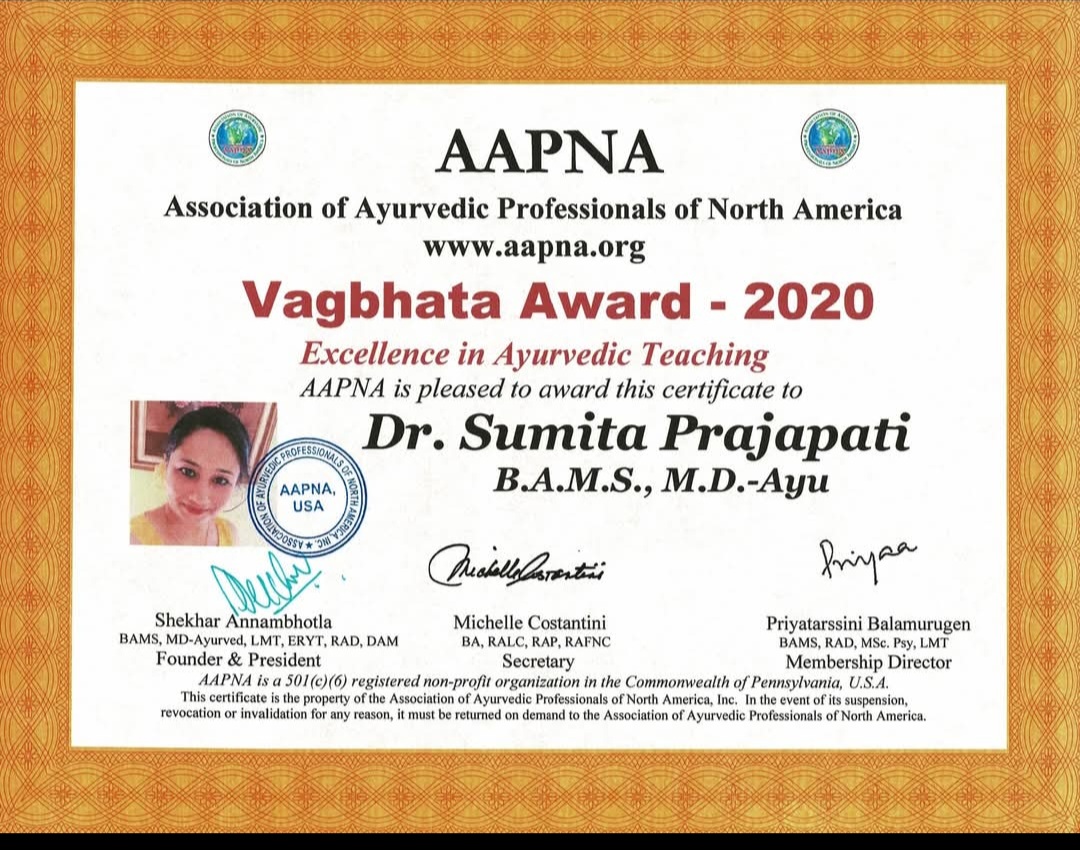
She has her own line of certified, FDA-approved herbal supplements exported to the USA, UK, and Canada.
To spread the ancient secrets of Ayurveda holistic wellness by integrating diet, exercise, stress management, Panchakarma, and herbal therapies.
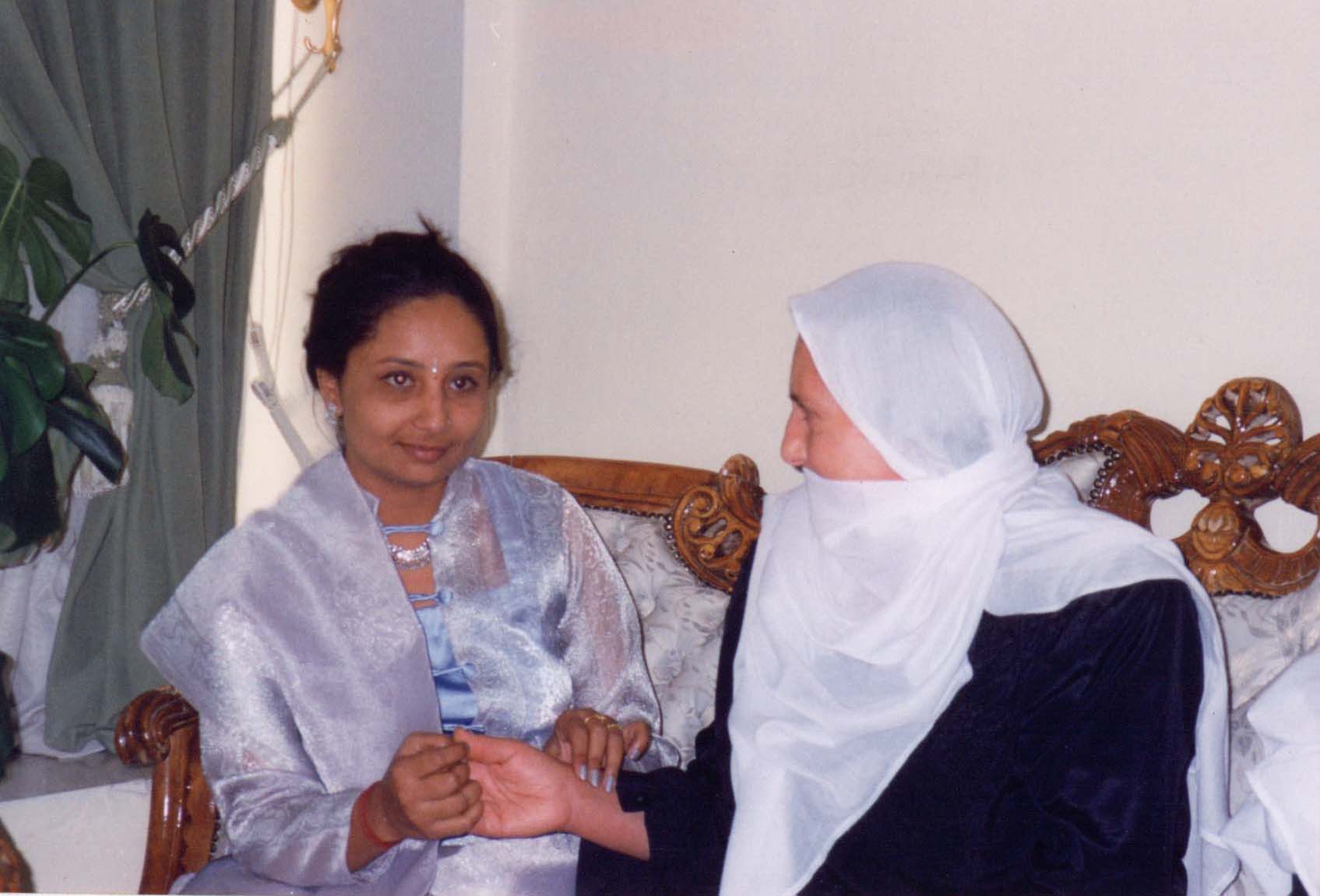
डॉ. सुमिता प्रजापति एक अत्यंत अनुभवी आयुर्वेदिक चिकित्सक हैं, जिन्हें आयुर्वेद एवं आधुनिक चिकित्सा विज्ञान दोनों का व्यापक ज्ञान है। वे आयुशांति आयुर्वेदिक क्लिनिक की निदेशक हैं और भारत, अमेरिका तथा यूनाइटेड किंगडम में सेवाएँ प्रदान करती हैं।
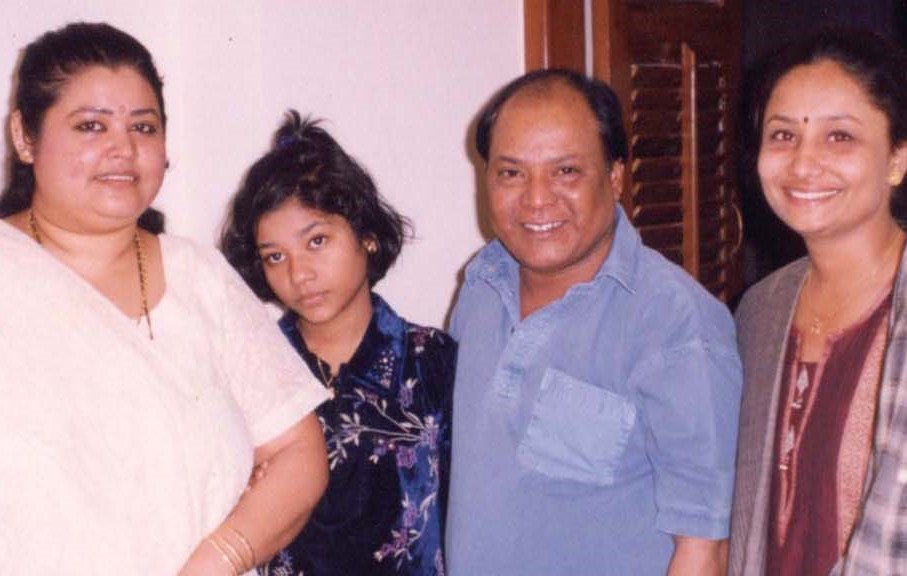
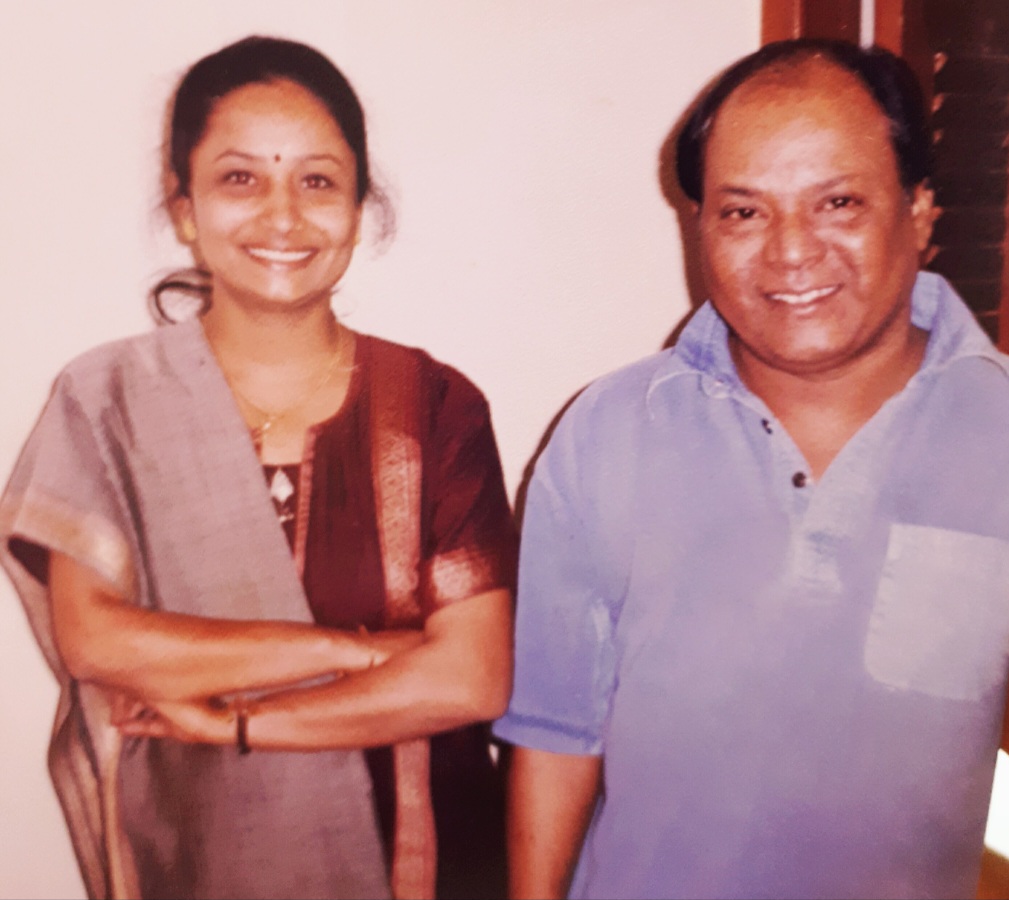
वे पारंपरिक नाड़ी-परीक्षण (Pulse Diagnosis) को आधुनिक निदान तकनीकों के साथ जोड़कर रोग के मूल कारण का पता लगाने में विशेषज्ञ हैं। यह विद्या उन्होंने अपने दिवंगत नाना वैद्य दयानंद स्वामी तथा गुरु डॉ. माधव साने से प्राप्त की।
वर्षों का अनुभव
रोगियों को सेवा
देशों में पहुँच
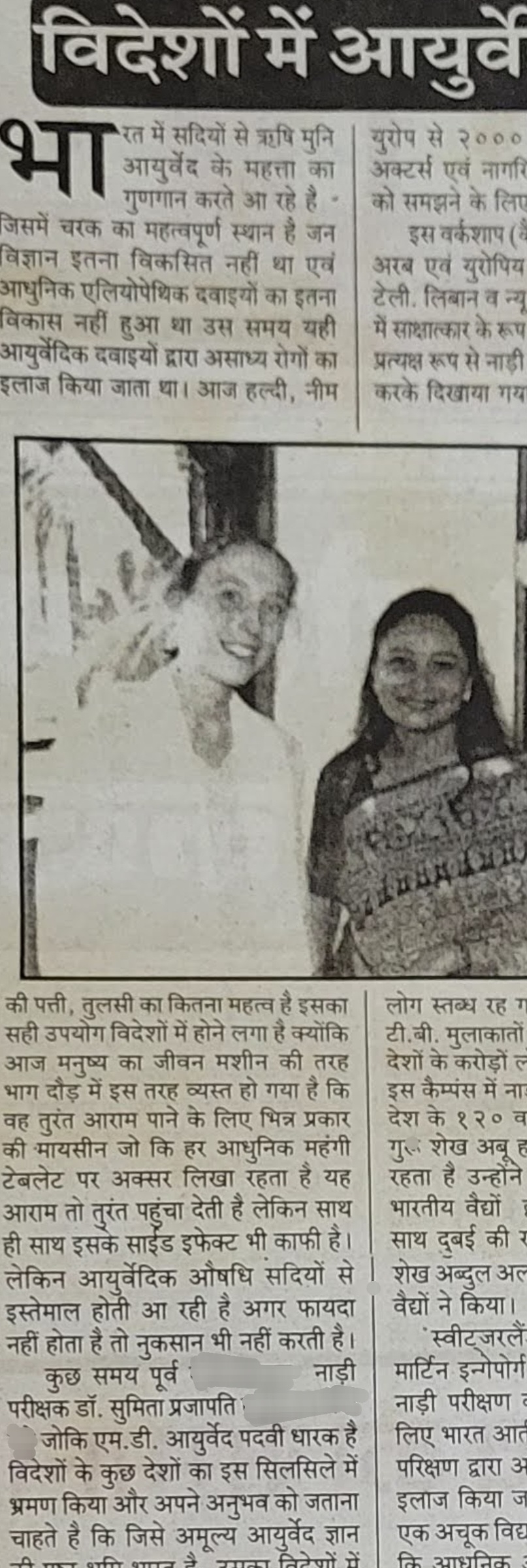
उन्होंने अमेरिका, स्विट्जरलैंड, यूरोप, यूनाइटेड किंगडम, कनाडा, लेबनान, दोहा, मॉरीशस, मेडागास्कर तथा पूर्वी अफ्रीका सहित अनेक देशों में रोगियों को सफलतापूर्वक परामर्श एवं उपचार प्रदान किया है।
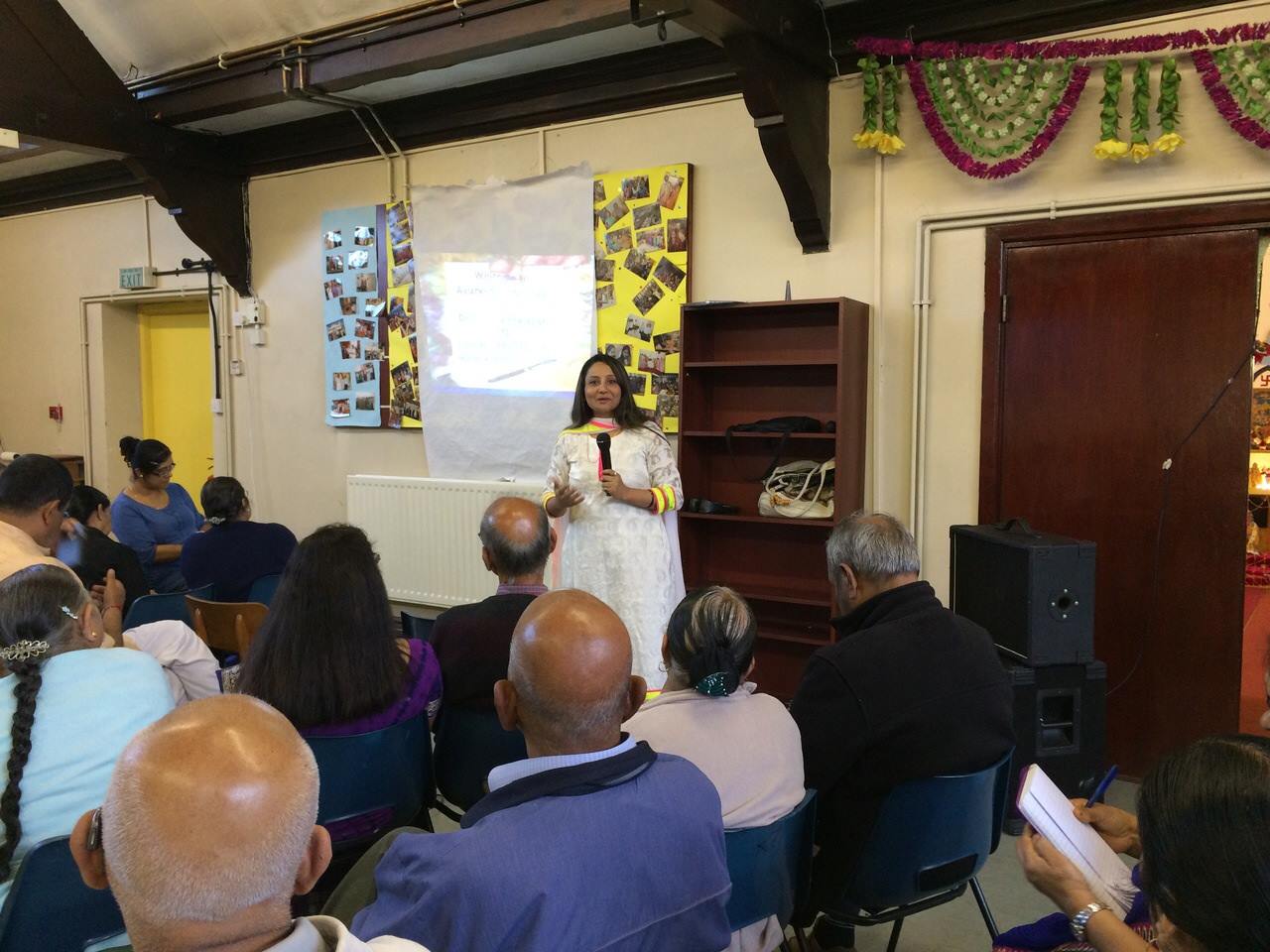
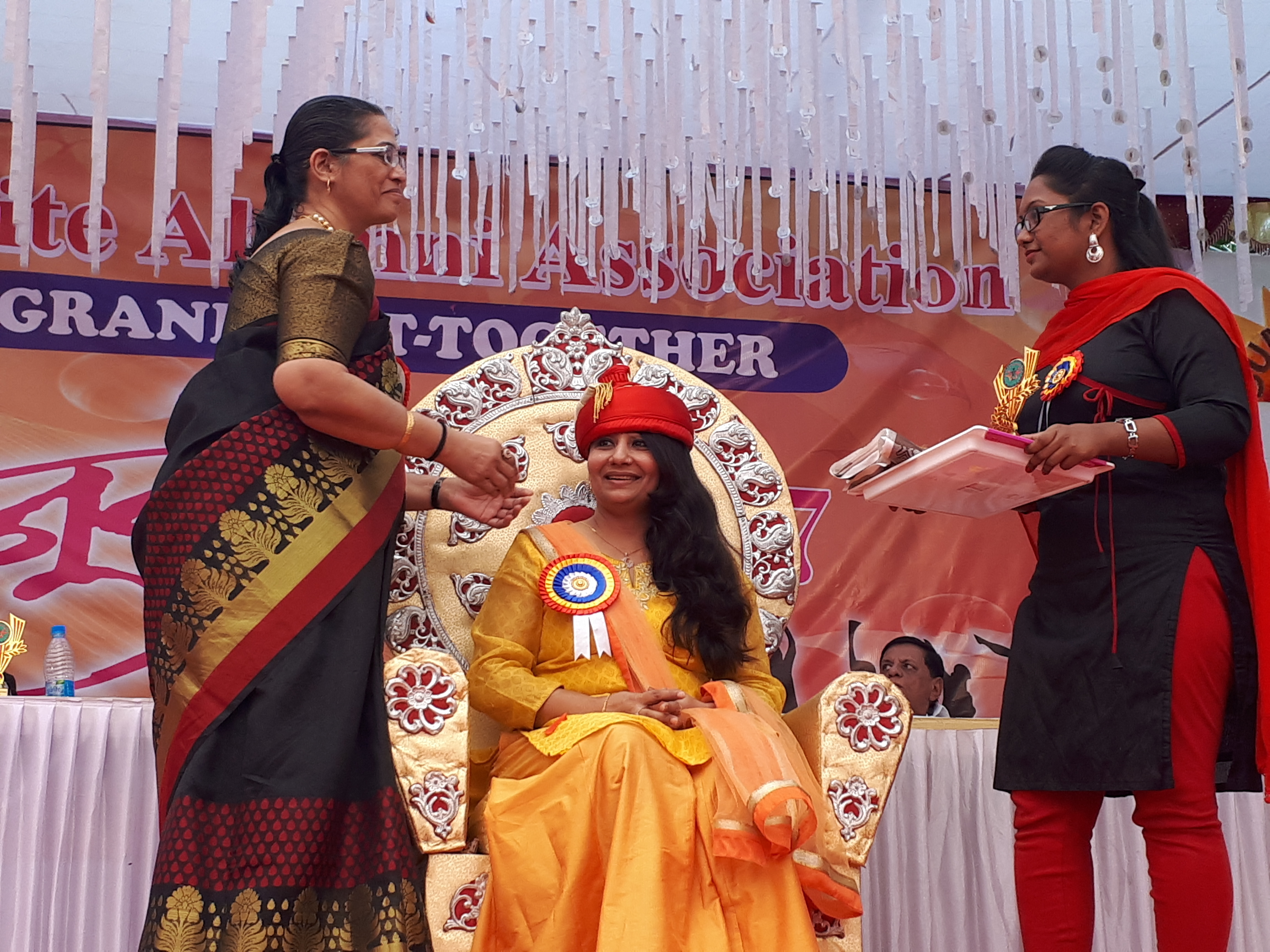
वे विभिन्न अंतरराष्ट्रीय कार्यशालाओं, स्वास्थ्य सम्मेलनों एवं प्राकृतिक चिकित्सा संस्थानों में मुख्य वक्ता के रूप में आमंत्रित की जाती हैं।
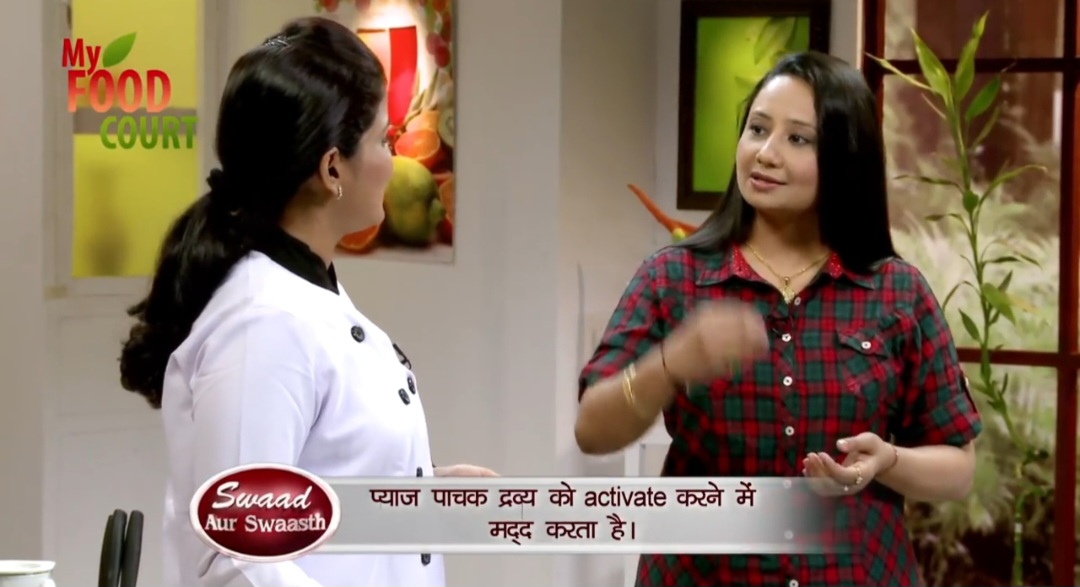
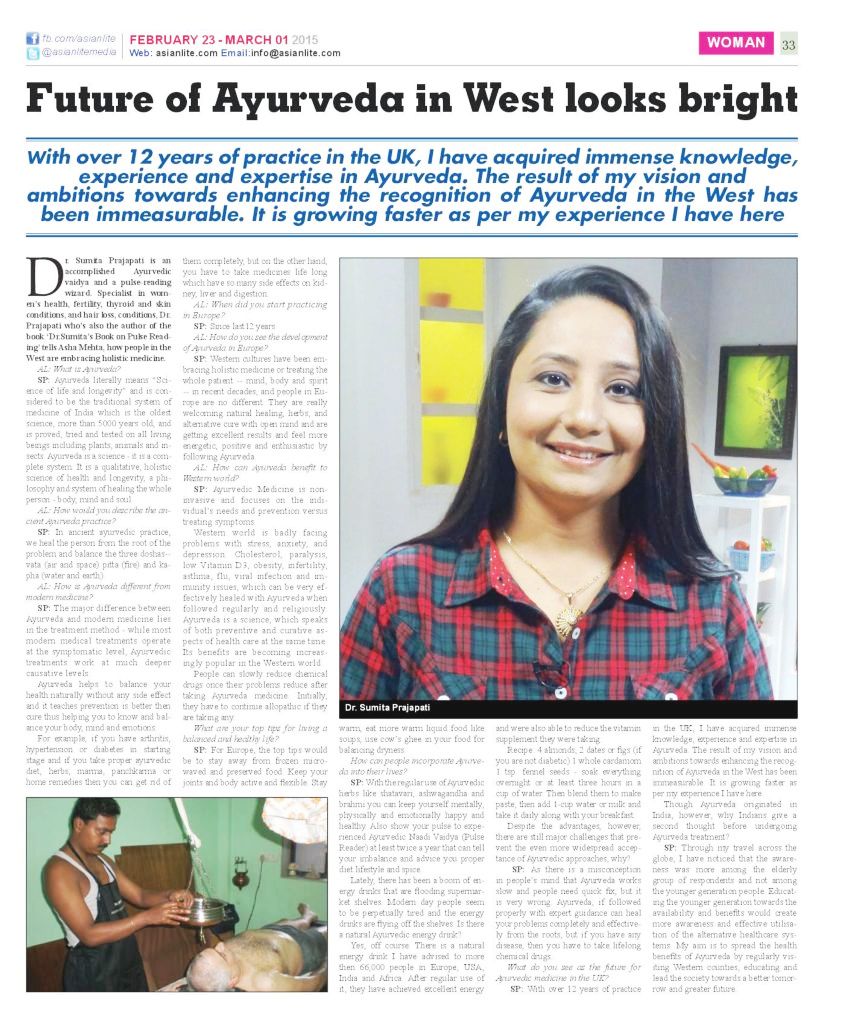
Care World TV, TV9, CNN, TV Asia, Zee Gujarati, L TV तथा Awake N Bake जैसे प्रतिष्ठित मंचों पर आयुर्वेद, स्वास्थ्य एवं पोषण विषयों पर विचार साझा किए हैं।
डॉ. प्रजापति के प्रमाणित हर्बल सप्लीमेंट्स उच्च गुणवत्ता मानकों के अंतर्गत निर्मित किए जाते हैं। इन्हें हजारों लोगों द्वारा उपयोग किया गया है और उत्कृष्ट परिणामों के कारण अमेरिका, ब्रिटेन एवं कनाडा में निर्यात किया जाता है।
आयुर्वेद और आधुनिक चिकित्सा का संतुलित समन्वय।
स्वस्थ, ऊर्जावान एवं दीर्घ जीवन को बढ़ावा देना।
वात, पित्त और कफ के संतुलन द्वारा स्वास्थ्य की पुनर्स्थापना।
त्वचा, बालों और सम्पूर्ण स्वास्थ्य की प्राकृतिक देखभाल।
“आयुर्वेद हर घर और परिवार तक”
आहार, योग, ध्यान, पंचकर्म और प्राकृतिक उपचारों के माध्यम से लोगों को स्वस्थ, जागरूक एवं आत्मनिर्भर बनाना हमारा उद्देश्य है।
हम एक ऐसे समाज का निर्माण करना चाहते हैं जहाँ प्राचीन आयुर्वेदिक ज्ञान और आधुनिक जीवनशैली का संतुलित समन्वय हो तथा प्रत्येक व्यक्ति स्वस्थ, संतुलित और आनंदमय जीवन जी सके।
Learn about Dr. Sumita Prajapati's journey, experience, and vision for holistic healing through Ayurveda.
Watch VideoDiscover Ayurvedic principles that support longevity, vitality, and healthy ageing.
Watch VideoPractical Ayurvedic lifestyle guidance for a long, healthy and fulfilling life.
Watch VideoSpecial International Women's Day health tips focused on women's wellness and preventive care.
Watch VideoExplore the foundational principles of Ayurveda, including life, longevity, doshas, agni, dhatus, malas, Nadi Pariksha, Panchakarma, Virechan, Basti, home remedies, and Vikruti. Each topic is organised into easy-to-read expandable sections for a cleaner learning experience.
This section brings together the complete Ayurvedic Basics documents in a structured format, so visitors can browse the key topics without overwhelming the page layout.
Ancient secrets of life, health, longevity, doshas, agni, dhatus, malas, digestion and daily routine.
Ancient Ayurvedic diagnosis through pulse, observation, touch and inquiry.
Detoxification and healing process, ageing support, therapies and case examples.
Therapeutic purgation for Pitta-related imbalances and Panchakarma preparation.
Medicated enema therapy for Vata disorders, rejuvenation and detoxification.
हिंदी में विरेचन कर्म की प्रक्रिया, आहार, जीवनशैली और सावधानियाँ।
Home remedies for common concerns using Ayurveda, herbs, diet and lifestyle.
Current dosha imbalance, symptoms, disease patterns and balancing guidance.
What is Ayurveda?
Ancient Secrets of Life, Health & Longevity
Welcome to Discover the timeless wisdom of one of the oldest and most traditional sciences available online. In a world transformed by technological advancements that have reshaped our diets, lifestyles, environments, and healthcare, one might wonder how this ancient system of balance remains relevant today. As we navigate our fast-paced lives, we often overlook our foundational practices, such as a simple sattvic diet, fresh foods, and stress-free living. The prevalence of chemicals, pesticides, preservatives, and pollution has become a norm, while the current generation increasingly favours fast, frozen, and instant meals, which Ayurveda classifies as lifeless or "dead" food. Ayurveda offers a profound insight into the art of living healthily and naturally. As more individuals recognise the significance of taking charge of their own health, Ayurveda emerges as an ideal framework for contemporary wellness. This ancient science of life emphasises that existence encompasses not just the physical body but also the senses, mind, and spirit. Thus, Ayurveda extends beyond mere physical ailments, providing a holistic understanding of mental, spiritual, and social well-being.
Man is the Universe -Yajurveda.
The words like soul and spirituality might sound outdated, as they have no place in
Modern science. As soon as we hear about these topics, we become
uncomfortable. No one has ever spoken about
these things. We are usually trapped in the attractions of the external
materialistic world to gain happiness and peace.
Modern society, education, culture and television speak
about materialism. If this were everything, why is it that most of us are
unhappy? There is stress, fear, anxiety, mental tension, fighting and terror
everywhere despite best efforts being made to stop them. This is because
some part of our mind and body is not being nourished properly.
What is Ayurveda?
Ayurveda, which translates to the "Science of Life and Longevity," is India's ancient medical system, boasting a history of over 5,000 years. This time-tested approach has been applied to all forms of life, including plants, animals, and insects. Ayurveda is not just a collection of remedies; it represents a comprehensive, holistic framework for health that addresses the body, mind, and spirit. Its roots lie in a time when philosophy and medicine were intertwined, leading to a rich philosophical foundation that continues to shape Ayurvedic practices today.
What is unique about Ayurveda?
Ayurveda stands out for its unique approach to health and balance. It provides tailored guidance for managing individual cases by analysing a person's constitution, known as Prakriti, and the variations in disease manifestation referred to as Vikruti. This holistic framework allows practitioners to create personalised health models and set specific health goals for each person. Ayurveda emphasizes individualized recommendations across various aspects of life, including diet, exercise, herbal therapies, use of Marma points and even spiritual practices with mantras, all aimed at restoring and maintaining balance in both body and mind. Furthermore, Ayurveda recognises the deep connection between mental and physical health, offering insights into why different individuals may respond differently to the same balancingdignosis plan. This personalised approach not only addresses specific health issues but also celebrates the uniqueness of each person.
Origin of Ayurveda
According to Rishis, Ayurveda was created by Lord Brahma before creating
the world for a healthy and disease-free life for people living on earth.
Legend: The origins of this system, of course, are lost in time. According
to legend, it is said to have been taught by the creator, Brahma, to the
Daksha Prajapati. (One of the lords of the animals) who taught it in turn to
the divine twins called the Ashwinikumars. Ashwinikumars are the
heavenly healers. They taught Indra, the chief of the shining ones. The
personages mentioned were deities of early Vedic times. When mankind
started suffering from various diseases, wise men like Bharadwaj learnt
from Indra the knowledge of Ayurveda. Gradually, a vast amount of
knowledge accumulated was divided systematically into different
branches.
What is Health according to Ayurveda?
There are many definitions of health in every science and field of
medicine. Some say it is merely the absence of diseases. Some say to be
healthy is to be mentally and physically happy. Some say health is
spiritual awareness and focus. WHO says a healthy balance mentally,
physically and emotionally is Health.
Ayurveda explains health beyond all the definitions
समदोषः समाग्निश्च समधातु मलक्रियः । प्रसन्नात्मेन्द्रियमनः स्वस्थ इत्यभिधीयते ॥
Samadoshah samagnishcha samadhatu malakriyah | Prasannatmendriyamanah swastha ityabhidhiyate ||
One who is established in Self, who has balanced Doshas,
balanced Agni, properly formed Dhatus, proper elimination of malas,
well-functioning bodily processes and whose mind, soul and senses
are full of bliss is called a healthy person.
All matter is thought to be composed of five basic elements
(Panchamahabhutas) which exhibit the properties of earth (Prithvi), water
(Jala), fire (Tejas), wind (Vayu) and space (Akasha). These elements do
not exist in isolated forms, but always in a combination, in which one or
more elements dominate. According to Ayurveda, the human body is
composed of derivatives of the five basic elements, in the form of Doshas,
tissues (dhatus) and waste products (malas).
What is Balanced Doshas?
The Sanskrit phrase "dushyanti iti doshah" translates to "that which, when vitiated (imbalanced), causes harm or disease “The most fundamental and characteristic principle of Ayurveda is called Tridosha or the Three Humours.
Doshas are the physiological factors of the body.
They are to be seen as all-pervasive, subtle entities, and are
categorised into Vata, Pitta and Kapha. Vata regulates movement and is
represented by the nervous system. Pitta is the principle of
biotransformation and is the cause of all metabolic processes in the body.
Kapha is the principle of cohesion and functions through the body fluids.
Together, these three Doshas determine the physiologic constitution of an
individual.
What is Balanced Agni?
For the metabolic processes in the body, there are three main groups of
biological factors, probably exhibiting enzymatic functions (Agnis).
Jatharagni is responsible for the digestion and the absorption of nutrients
During this process, digestion takes place in three stages:
first, the digestion of sweet (Madhura) and salty (Lavana) nutrients, then
the digestion of Sour (amla) nutrients, and finally the digestion of sharp
(Tikta), Bitter (Katu) and Astringent (Kasaya) nutrients. The respective
The products of these 3 stages are sweet, sour, and bitter.
Panchabhutagnis, containing five types of biological factors, is responsible
for the processing of the five basic elements into a composition useful to
The body’s 7 separate Tissue Fire (Metabolic Fire) Dhatvagnis. The
The third group contains seven types, each for the assimilation of the seven
tissues. This assimilation takes place successively. From the absorbed
nutritious substance, plasma (Rasa) is produced first; from plasma, blood
(Rakta) is formed, then muscular tissue (Mamsa), adipose tissue (Meda),
bony tissue (Asthi), bone marrow (Majja) and the reproductive cells
(Shukra).
Every tissue has its own digestive fire, which converts one tissue into the
Next tissue which has a different colour, form, consistency and shape.
Supplements SUPITTA APITTA APAN are excellent
in balancing all AGNIS, metabolism and providing proper nourishment
to all dhatus and ojas
What is Balanced Dhatus?
The 7 Dhatus are the seven fundamental bodily tissues. Rasa(plasma), Rakta
(blood cells), Mamsa(muscular tissue), Meda (adipose tissue), Asthi (bony
Tissue), Majja(bone marrow and nervous tissue) and Shukra(the reproductive tissue). The
tissues should be in proper proportion. If they are very high or low or out
of balance, then the person is considered unhealthy.
Supplements SUPITTA (RASA) HRIDRAJ (RAKTA) AYURJA
(MAMSA) SLIKONA (MEDA) CALCIMRIT (ASTHI) HERBAYU
(MAJJA) URJAN(SHUKRA) are very effective supplement for balancing all
7 Dhatus respectively. Ayurveda says doshas should be balanced to remain healthy
For instance, Excessive bone tissue can lead to conditions such as additional teeth, fingers, or ribs, calcaneal spurs, and overall bone enlargement. Conversely, insufficient bone tissue may result in osteoarthritis, osteoporosis, and weakened bones, as well as degeneration of tendons and ligaments. This deterioration increases the risk of fractures and injuries, particularly in the bones and vertebral column.
What is Balanced Malas?
The primary waste products of the body include urine, faeces, and sweat. For optimal health, the quantity, color, consistency, and frequency of these excretory products must be balanced—not excessive or insufficient. A healthy individual should eliminate stools, urine, and sweat in appropriate amounts and at regular intervals, ensuring that these waste products exhibit the correct characteristics.
For instance, in diabetes, there is an increase in both urine and sweat production, while urinary tract infections can lead to a decrease, both of which indicate imbalances. In cases of prostate cancer, the urine may take on a crab-like odour, leading to the term Karka Roga, derived from the Sanskrit word for crab. Additionally, jaundice is characterised by yellow urine, whereas urinary tract infections often result in white urine. Ideally, healthy urine should be clear, odourless, and produced in appropriate quantities. Similarly, stool frequency varies, with conditions like IBS, diarrhoea, and dysentery causing increased frequency, while constipation results in less frequent bowel movements, both of which are unhealthy. Stool color can indicate underlying issues, with yellow stools often associated with Pitta imbalances and white stools linked to obstructive jaundice. Healthy stools should float in water, indicating good digestion, while foul-smelling stools suggest the presence of ama, or undigested food, along with mucus.
Aayushanti Supplements, such as LAXIGEN for constipation, COLOCARE for excess mucus and stools, UROSHANT for urinary health, and PYRINO for sweat regulation, are effective in balancing the body's doshas, or malas.
5000 years old tips to MANAGE YOUR
DIGESTION AND METABOLISM
What causes Indigestion?
The causes of Indigestion are eating deep-fried food, red meat, stale,
fermented wheat, refined wheat, excess candies, excess raw food,
microwave food, Incompatible foods and wrong combinations like milk
and salty food together, eaten without appetite. Drinking excess water
during meals. Eating dry, heavy, and cold meals regularly. Excess late
nights and daytime sleep. Sedentary or stressful lifestyle, Frozen food
Cold drinks/ chilled water and ice creams.
How to find out if you have indigestion?
anorexia, gastric hyperacidity, burning in the gastric and chest region, acidic
regurgitation, Stomach pain and burning, giddiness, nausea, vomiting,
headache, bitterness and sourness in the mouth (Saliva), gas trouble,
flatulence, burning urination, burning of hands, feet and eyes, elevated
body temperature and itching on the body.
1) Impairment of the energy, strength, complexion & stamina.
2) Bloating & abnormal movement of air in the abdomen.
3) Constipation, Loose stools or not well-formed stools
4) Impairment of long-life, strength & life force (ojas).
5) Proves fatal for body, mind, intellect & senses.
6) Impairment of the purity of Tissues.
7) Causation of eighty varieties of Vata Diseases.
8) Diseases due to blockages in metabolism and digestion.
Supplements for balancing digestion:
Colocare Supitta Apitta Amritkala
Kitchen remedies for balancing digestion:
Take ½ inch fresh Ginger root and boil with 2 glasses of water till half
drink 2-4 times a day
Take 2 pinch ajawain seeds, add to a cup of warm water, and take twice a day
on empty stomach, it will immediately remove gases from the stomach
Roast ajawain seeds, dill seeds and white sesame seeds in equal
quantity, store in an airtight jar and chew after every meal as a mouth
freshener and digestive.
These kitchen remedies make a BIG Difference in Digestion and
Metabolism.
To Avoid or reduce: Tomatoes (Any form, Fresh, Sauce, Canned, etc.),
Okra, Egg Plants, Potatoes, Deep Fried Foods, Wheat
Products, fermented Dairy Products, Cold Drinks, Soda and Salad (No Raw
Vegetables).
To Take and Enjoy: Plenty of Vegetables and Especially Green Leafy
Vegetables except the Vegetables mentioned above. Please make sure
All Vegetables are Completely Cooked.
Moong Dal (Moong Soup) and in all forms, such as Whole Moong, Split
Moong and Yellow Moong should be consumed daily. For the Recipe of
Moong Bean Soup go to the Ayurvedic recipes and kitchen remedies section
You may prepare Breads, Chapatti and Roti using millets or SPELT FLOUR instead
of Wheat.Avoid Yoghurt.
Symptoms and Remedies of Indigestion
Gas
Avoid Fermented foods and heavy beans like chickpeas and kidney
beans. Drink warm water 3-4 times a day.
1 tsp. cumin powder
1 tsp coriander powder
1 pinch asafoetida (Hing)
¼ tsp. dry ginger powder
¼ tsp. black salt
½ cup water
Mix and drink in the morning on an empty stomach with warm water.
Acidity
Use this recipe when burning is felt directly after eating
1 tsp. cumin powder
1 tsp. coriander powder
1 tsp. fennel seed powder
½ tsp. raw sugar cane juice (if desired and if not Diabetic)
½ cup water
Blend all the ingredients and drink in the morning on an empty
stomach.
Diarrhoea and Dysentery
Herbs: Colocare, Supitta, Apan, Apitta.
1. Soak 1 tsp. of poppy seeds and 1 pinch of nutmeg in a little water overnight. Make into a paste and eat. Repeat 2-3 times throughout the day.
2. ¼ tsp. dry ginger powder
1 tsp. cumin powder
½ tsp. raw cane sugar
½ cup water
Mix and drink this remedy 3-6 times daily. For patients with acidity, add 1
tsp. coriander powder.
3. Drink small amounts of ginger water throughout the day.
To prevent diarrhoea whilst travelling, drink a tea made from 1 tsp. Cumin
powder, 1 tsp. coriander powder, ¼ tsp. ginger powder and ½ tsp. raw
cane sugar in ½ cup of water. Drink this tea 3-6 times daily.
4. Boil the skin of ½ a pomegranate in 2 cups of water and reduce the
liquid by half. Filter and drink twice a day.
5. 2 tsp. curd, ½ tsp. cumin powder, ½ tsp. coriander powder Mix together
and eat 1 tsp. with food 2-3 times a day. Take until the diarrhoea
stops.
Common Ayurvedic principles for daily life - DINCHARYA
Focus on maintaining balance between the body, mind, senses and spirit by aligning with the natural rhythms of the universe. These practices are primarily categorised into Dinacharya (Daily regime) and Ahara (Diet)
Establishing a consistent daily routine is essential for regulating the biological clock and aiding digestion. Wake up before sunrise, ideally, and wake up during Brahma Muhurta (approx. 1.5 hours before sunrise) after ensuring the earlier night's food is digested properly, drink warm water. It helps promote mental clarity and eliminate toxins (Ama). Jivha Nirlekhan-Scrape your tongue each morning to remove toxins (ama) and stimulate digestive organs. Dant Dhavan Clean teeth with bitter ayurvedic herbal powders. Gandush, kaval or oil pulling. Swish warm sesame oil in the mouth for 15–20 minutes to strengthen gums. Cleanses the sense organs, enhances hygiene, prevents imbalances like Kapha accumulation and detoxifies the body. Nasya Apply 3–5 drops of warm ghee or herbal oil into the nostrils to clear sinuses and enhance mental clarity. Abhyanga: Massage the body with warm oil before bathing to calm the nervous system, improve circulation, and nourish the skin. Vyayam and Pranayam incorporate 20–30 minutes of yoga and meditation to align the mind and body.
2. Ahara (Diet)
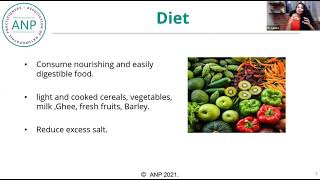
Ayurveda views food as medicine and emphasises how, when, and what we eat.
Mindful Eating: Eat in a peaceful environment without distractions (like screens), chewing thoroughly to allow the body to recognise satiety cues. The Biggest Meal: Eat your largest meal at lunchtime (between 10 AM and 2 PM) when the digestive fire (Agni) is at its peak. Avoid Cold Beverages: Drink warm or room-temperature water instead of iced drinks, which can dampen the digestive fire. Fresh & Cooked Food: Prioritise freshly prepared, warm, and seasonal foods over leftovers or frozen items, which are considered harder to digest. Eat a light dinner. Go to bed early, around 10 p.m. (before the Pitta cycle begins).
Understanding the Doshas
Living Ayurvedically requires understanding your unique constitution (Prakriti) and present state of balance.
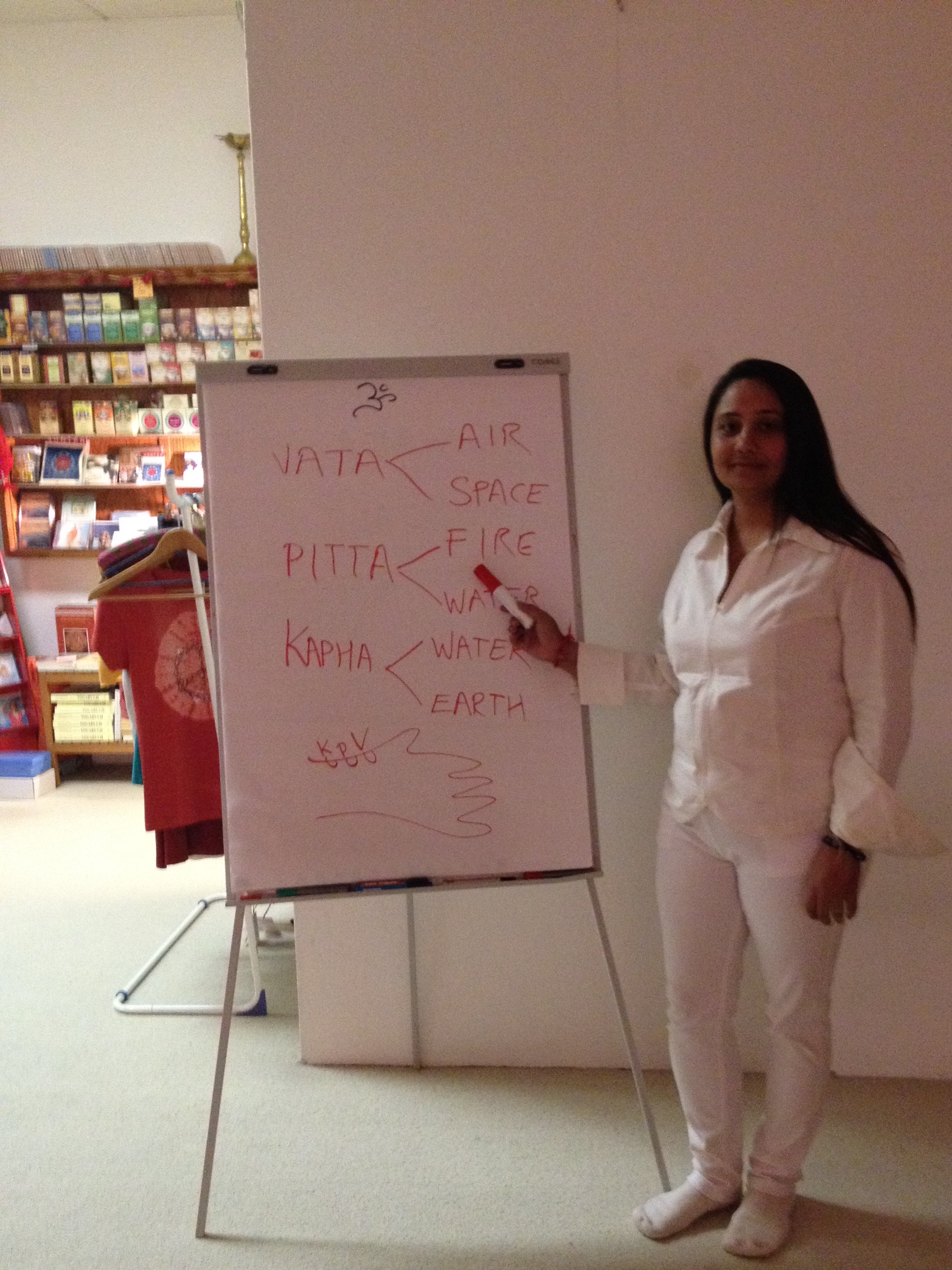
Vata (Air & Space): Needs grounding, warmth, and routine. Benefits from hearty stews and warm oils. Pitta (Fire & Water): Needs cooling and moderation. Benefits from sweet fruits, leafy greens, and avoiding extreme heat. Kapha (Earth & Water): Needs stimulation and movement. Benefits from light, spicy foods and vigorous exercise.
Pulse Reading
The Ancient Miraculous Art &
Science of Diagnosis
THE ANCIENT MIRACULOUS ART & SCIENCE
OF DIAGNOSIS
A vaidya (ayurvedic doctor) who does not know how to do pulse, urine,
and tongue diagnosis cannot achieve success in the treatment, and can
kill the patient. Yog Ratnakar
Amongst some of my vivid childhood memories are those of me
grandfather, a vaidya (an ayurvedic doctor) at a village in the Patan district of
Gujarat state in Western India.
As a young girl then, I was intrigued by the snaking queues of villagers
who would patiently wait outside our village home to just have their pulse
felt by my grandfather, reverently called vaidji by them.
My grandfather, who used to walk upright till 97 years old, had all his teeth
intact, and didn’t need the aid of glasses to read, would sit on his gaddi (a
cotton mattress spread on the floor) and press his three fingers on the
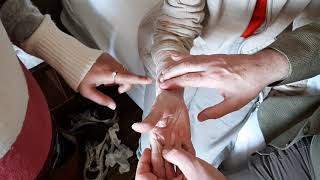
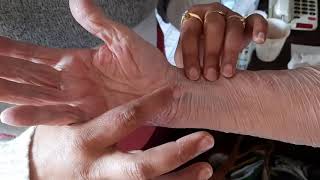
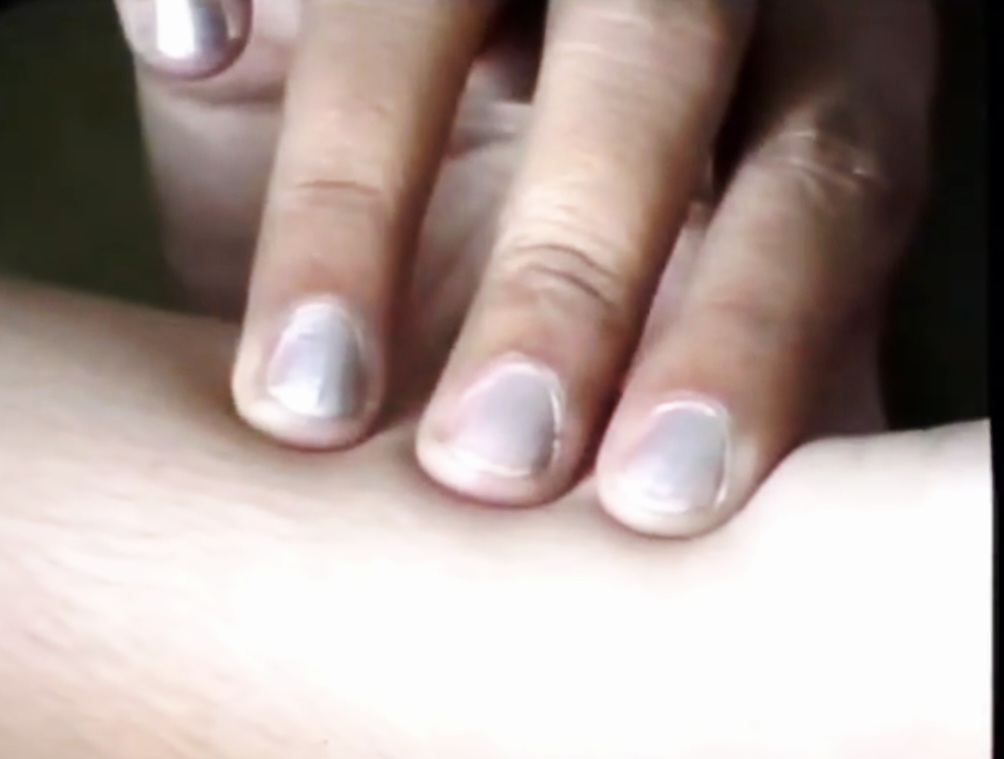
pulse of the patient close to the wrist and do nadi pariksha or pulse
reading/diagnosis.
What is Pulse Reading?
Pulse reading is the ancient art and science of detecting the existing
status of a person’s body, mind, soul and spirit. Nadi or pulse is that vital
flow of energy or life that courses through as a subtle channel all over the
body, and enables the vaidya to feel the way the blood spurts from the
heart. This helps an experienced Ayurvedic vaidya to find out imbalances
and balance them with proper Ayurvedic herbs, diet, lifestyle and home
remedies
How Pulse Reading works?
Ayurveda, which literally means the Science of Life, has bestowed the miraculous science upon us of finding out the imbalances within our body,
without the use of any instruments except fingers. I feel that several
problems that remain undiagnosed, even with the aid of sophisticated
diagnostic tests, can be accurately judged by examining the pulse.
Pulse reading can be learnt through continuous practice, focus,
awareness, and under the guidance of an experienced guru. It is like
playing the veena, a musical instrument akin to the violin. On striking,
each string produces a different musical note. Similarly, an expert pulse
reader, by touching, pressing, and feeling the different combinations of
the pulse, may find out the imbalances within a person’s body.
Ayurveda states three barometers of diagnosis: Darshana (see and observe), Sparshana (touch), and Prashna (inquire by asking questions).
Successful pulse reading involves touching, feeling, observing, and
experiencing not only the rate, rhythm, and volume of the pulse, but also
its movement, amplitude, temperature, force, and consistency in the body.
The Vision Unfolds
Medicine flows in my veins. I grew up and completed my M.D. in both the
modern and Ayurvedic systems of medicine. I began my career by practising in the modern system of medicine, but soon realised that it did
not tackle the root cause of the disease. Most of the time, people felt
good initially, but came back a few months later with the problem
recurring.
Six months later, I was seeing close to 100 clients in a day, finding out the
root cause of the problem, and balancing them successfully with pulse
reading technique which I learned from my dean Dr.Madhav Sane. It has
been twenty-six years since then, and today I well understand why there
were those serpentine queues of people at my grandfather’s house.
Basic Concept of Ayurveda
Before I share my practical experiences, I would like to state the basic
concept of Ayurveda, which reiterates that all living beings are the
permutation and combination of the five basic elements: space, ether, air,
fire, and water. These five elements constitute the three major biological
components of the three dosas.
The dosas are: vata (air + space), pitta (fire + water), and kapha (water +
ether). Life and death on the earth are caused by nothing else but the
balance and imbalance of these dosas. Health follows when the doshas
are balanced and disease when they are imbalanced.
Another important factor for health or disease is agni, or digestive fire, that
governs digestion and metabolism. For example, what happens when we
cook rice on a very slow fire, it is not cooked properly, and what
happens if the fire is very high, the food is burnt? So, to prepare well-cooked
Rice, what is required? The answer is obvious: a medium or
normal fire. In the same way, if our digestive fire is too low or too high,
then the food we consume remains half-digested and forms a sticky
mucus-type toxic substance called aam in Ayurveda.
The aam, in turn, gets into our bloodstream and obstructs channels within the body, which is the beginning of disease. If the problem is diagnosed
on time, then it is easy to solve; but if it is not tackled and enough time is
allowed to pass, the disease becomes chronic and incurable.
To understand the subtle nuances of pulse reading, it is important to know
the above-mentioned basic tenets of Ayurveda. Pulse reading helps to
find out the real problem at the first stage, when the dosas and aam just
begin to accumulate and much before they spread and vitiate the entire
body; and manifest themselves in the form of disease that finally
becomes chronic and complicated.
So, if a vaidya can do correct pulse reading before the disease
progresses, disease can be reversed towards health.
Understanding Vikruti through Pulse Reading
Case Studies
In my long years of practice, I have successfully balanced people of vata,
pitta, and kapha imbalances.
Case Study 1 Vata Pulse
An overweight 55-year-old lady doctor came for an obesity problem.
On examining her pulse, I found that it was full of swelling and moving like
a snake. The vata pulse was jumping more with low circulation, and it was
difficult to feel.
I asked her if she had ever had an abortion, and she said twice. I then
asked her if she had a caesarean, and she said yes. She went on to tell
me how she had progressively started putting on weight after the
operation.
To lose weight, she had tried several diets on her own. She began her
day with a black tea, followed by salads, had only sandwiches and coffee
for lunch, and ate two slices of bread and vegetables for dinner, despite
She continued to add on the kilos.
Wrong diet, over-fasting, and a sedentary lifestyle were aggravating her vata
pulse, resulting in the patient's bloating. Salads are strictly not
recommended for people with vata.
Recommendations
She was put on a diet of whole or split green gram (mung), green gram
soup, rice, vegetable soup with ghee (clarified butter) to be taken at four
hourly intervals, with basti (medicated enema) treatment in panchkarma
(the age-old science of purifying the body).
Within a fortnight, her pulse began to feel light, and the vata level began to
reduce. After the complete basti course spreading over a year, she lost 8
kilos. After three years, today her weight stands at 55 kgs, and her pulse is
healthy and steady.
I also taught her how to feel her own pulse, and now, whenever there is
a slight rise in vata, she immediately embarks on a vata-pacifying diet that
includes drinking 1 tsp of castor oil at bedtime with a glass of warm water,
cooked rice, dates, vegetables, and a sesame oil massage.
The lady doctor actually bounced back to health because of the correct diagnosis of a vata type of pulse. More importantly, she became self-educated in finding her own problem. Ayurveda is truly the Science of life.
Case Study 2 - Pitta Pulse
A 25-year-old medical representative, with a history of asthma since
childhood, came for a cure to his severe migraine problem. He had tried a
variety of painkillers to combat the disease, but to no avail.
On examining the pulse, I found that it was hot, fast, strong, and
heavy to feel due to aam (toxins) created by indigestion and the pitta
The pulse was jumping more.
His job involved walking in the hot sun the whole day without fixed hours
for eating meals. Besides, he was fond of spicy, fermented, sour foods,
tomatoes, pizzas, yogurt, and alcohol.
Not only this, he was taking inhalers, antibiotics, bronchodilators, and
steroids at frequent intervals for asthma, resulting in his immunity level
being very low. His diet, lifestyle, and asthma medicines were pitta-increasing. Hence, he was suffering from migraine.
Recommendations
I advised him to take 2 teaspoons of cow ghee first thing in the morning
on an empty stomach to control pitta and 2 tablets of Laxigen at night
as a mild virechan to remove pitta.
After about a month-and-a-half, he reported a 50 per cent reduction in the
intensity of migraine, and even his asthma attacks had reduced. Slowly, his asthma medicines were reduced. After six months, his pulse was free
from aam and was very light to feel. With the heat in the body controlled,
her pitta pulse was not jumping more; it was healthy, light, and
steady.
Case Study 3 - Kapha Pulse
A 30-year-old businessman once came to me for diabetes and obesity.
After checking his pulse, I immediately told him, this is not you. He
replied that he was very slim until he started his business six years ago.
Next, I asked him, are you diabetic? because his pulse was very humid,
with the kapha pulse very prominent.
Yes, I am on insulin, and my blood sugar is not under control even after
medication. He pleaded that he wanted to get rid of the insulin injections.
His pulse was very heavy to feel because he had aam. The sedentary
lifestyle, stress and fondness for fried foods and sweets with no exercise
had caused slow digestion and formation of mucous and kapha, which
blocked his channels of pancreas, lungs, and intestines. This had increased
the blood sugar level, resulting in cough, congestion in the chest with
respiratory problems, and severe constipation.
Recommendations
I advised him to walk for an hour daily. To begin with, he was put on a diet
of mung soup and mung with spices like dry ginger, oregano, asafoetida,
black pepper, rock salt, onion, garlic, and coriander. Then, vegetables and
rice were included in the menu.
He was asked to take a teaspoon of a mixture of turmeric and amla
(gooseberry) powder on an empty stomach in the morning. At night, he
was asked to take a teaspoon of castor oil with warm water. He successfully completed the virechan and enema treatments of panchkarma as well.
His insulin dosage was reduced weekly.
After a year of adopting this lifestyle, his insulin was stopped by his
Western doctor and he regained his slim look once more. Today, his pulse
is without aam (very light to feel), and the kapha pulse is feeble but
prominent.
Benefits of Nadi Pariksha
It helps in the early detection of Imbalances, subtle changes and dosha imbalances (Vata, Pitta, Kapha) before they manifest as clinical symptoms or chronic diseases. Unlike some modern methods that focus on symptoms, Nadi Pariksha seeks to identify the underlying root cause of a health issue, such as poor digestion (Agni) or toxin accumulation (Ama). Pulse reading Results are used to create highly individualised healing plans, including specific diets, herbal remedies, home remedies, marma panchkarma and lifestyle changes tailored to a person's unique constitution (Prakriti). The technique evaluates emotional health, helping to detect stress, anxiety, and other psychological states that impact physical well-being. It provides a comprehensive view of the body’s internal systems and nervous system function. It helps practitioners determine the appropriate Panchakarma (detoxification) therapies and restorative plan for a person
This is for informational purposes only. For medical advice or diagnosis, consult a professional Nadi Pariksha does not replace the relationship with a primary physician or healthcare provider. The results should not be relied upon as a substitute for sound professional medical advice, evaluation, or diagnosis from a qualified healthcare provider. The accuracy and effectiveness of the diagnosis can vary based on the experience and expertise of the practitioner. It is recommended to correlate Nadi findings clinically with other diagnostic tools, such as lab reports or physical examinations. It is intended for assessing constitutional imbalances (Doshas) and root causes of ailments rather than providing an immediate emergency medical diagnosis.
Panchkarma- The Detoxification and Healing Process
History tells us that around five thousand years ago, one will find
mention of the principles of Panchakarma. Going through the books about
the history of Ayurvedic medicine, we find that physicians of Greece, Egypt,
Mesopotamia, Persia and South America, due to different reasons, were
using various methods of Panchakarma therapies. It is a general belief in
Ayurvedic circles, the Indian culture started in Vedic times. Ayurvedic
classics mention that this particular therapy eradicates imbalances
permanently and leaves no chance for relapse. Panchakarma, the
essence of Ayurveda, offers a systematic process for eliminating
toxins and impurities in the body. According to the Charaka Samhita, the
body normally uses three routes to eliminate waste products and toxins:
the mouth, anus and pores of the skin. The three doshas act as the
vehicle that carries ama either upward, downward or through the
periphery. Pancha means five, and karma means action; therefore,
Ayurveda believes that apart from the many subsidiary processes, there
are five main action procedures that will eliminate toxins from the tissues
in the body.
Ayurveda provides comprehensive care for various diseases. Through its holistic
approach towards diseases, it tries to maintain harmony of the body,
mind and senses. Just like a car needs annual maintenance servicing
The human body, which undergoes regular wear& tear, also needs to be
cleansed and rejuvenated regularly. Ayurveda advises panchakarma
for the same.
Panchakarma is the method of cleansing and detoxifying the body.
Diseases occur when toxins accumulate in the body. A faulty diet and
inappropriate lifestyle blocks the circulatory channels
and cause sickness. Hence, the body needs complete cleansing once a
year.
Ayurvedic plan includes Six Tools
Herbal remedies
Home Remedies
Diet
Lifestyle
Marma
Panchakarma
In order to ensure maximal benefit from your Panchakarma, many of these tools will be utilised. In Ayurvedic plans are individually designed for each patient according to his / her imbalances. Your particular imbalance is established by pulse reading. An expert pulse reader can obtain very detailed information about what is happening in your body, mind and emotions at any given moment in time.
Panchakarma
Panchkarma is a total cleansing process and a rejuvenation therapy unique to Ayurveda. It involves five cleansing methods, but here we will only describe Virechan and Bastis, which are the appropriate main procedures for the majority of people to eliminate or rectify disturbed Pitta and Vata.
A complete Pancha Karma ultimately requires, preferably, a preparatory diet for at least three weeks before starting, four to six weeks of intensive therapies, followed by three to six months of rejuvenating herbal remedies. For maximal benefit, participants should observe dietary guidelines properly.
AGEING
Panchakarma and Ageing
As per Ayurveda vata dosha is predominant as you age and ailments like
joint pain, osteoporosis, Constipation, respiratory disorder, weak
memory, weak eyesight is common. Hence, the Panchakarma
is recommended for elderly people for rejuvenating, and they are Snehan,
Swedan, Basti, Nasya, Netra Basti, Shirodhara Shiro Basti. As per Ayurveda vata dosha is predominant in old age and ailments like joint pain, osteoporosis, constipation, respiratory disorders, weak memory, weak eyesight, etc. are common. Hence, while advising panchakarma for the elderly, one has to be alert and cautious as degenerative processes are taking place in the elderly.
Common panchakarma recommended for the elderly are Snehan (oil massage), Swedan (Hot fomentation), Basti with medicated oils, ghee, Nasya with medicated oils, Netra-Basti, Shirodhara, and Shirobasti.
Shirodhara: Shirodhara is the pouring of oils, decoctions or juices (dropwise or in a thin stream) from a 4-finger distance above the head onto the centre point of the forehead. It is recommended for tension, anxiety, anger, depression, low concentration, schizophrenia, insomnia, low focus, stress, epilepsy, CNS problems, high blood pressure, hypertension, hair fall, and grey hair problem
Rest panchakarma procedures are done as per the advice of Vaidya.
Case studies
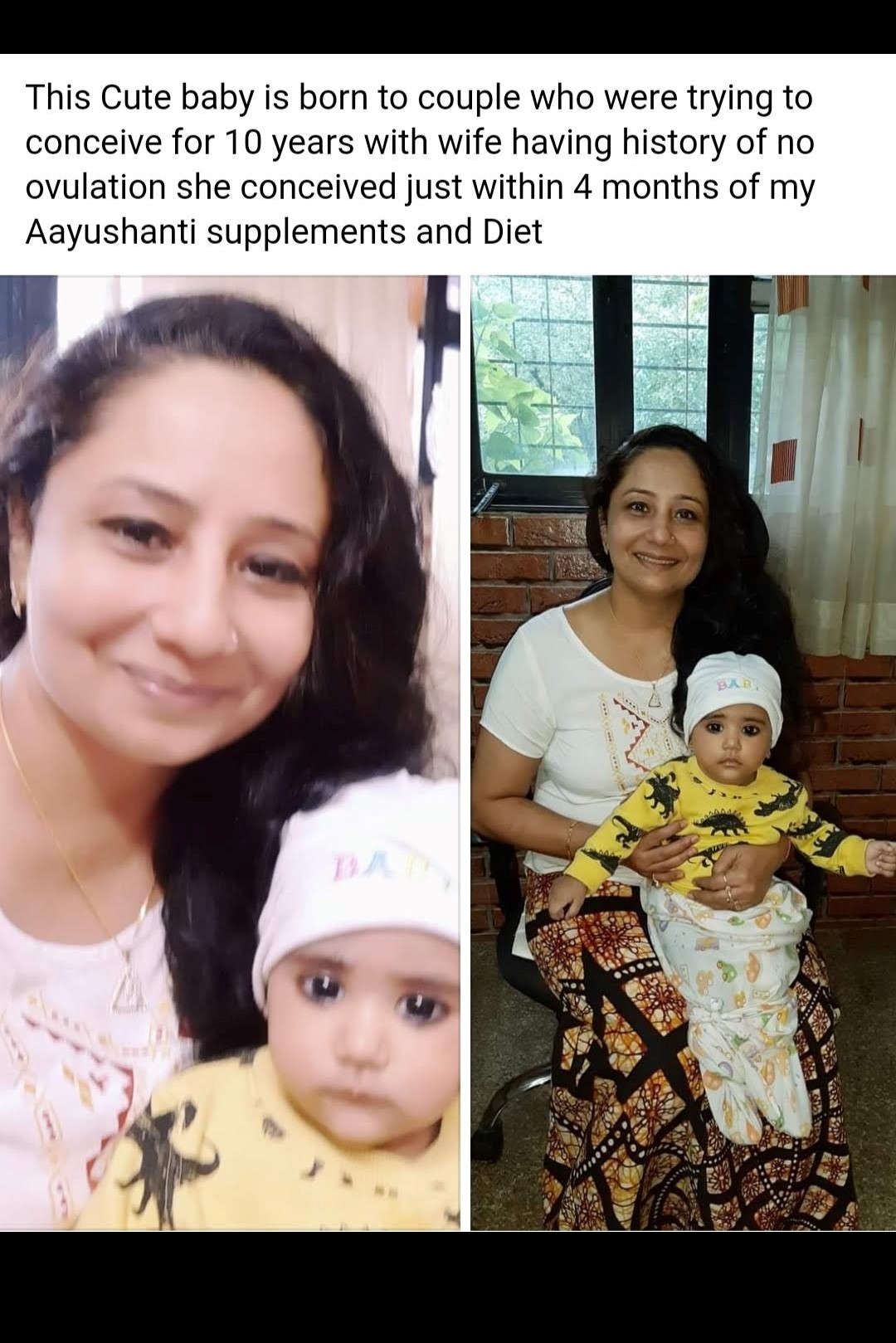
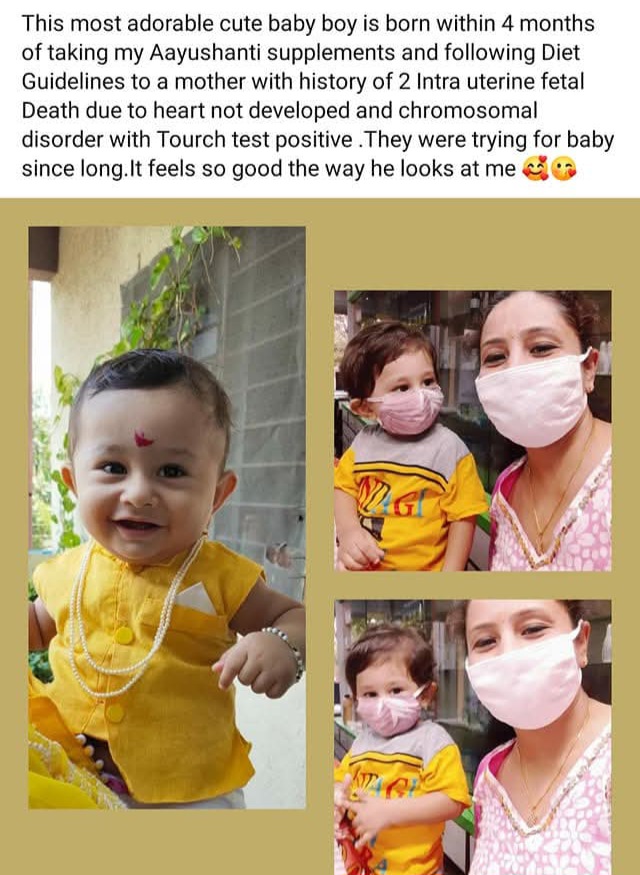
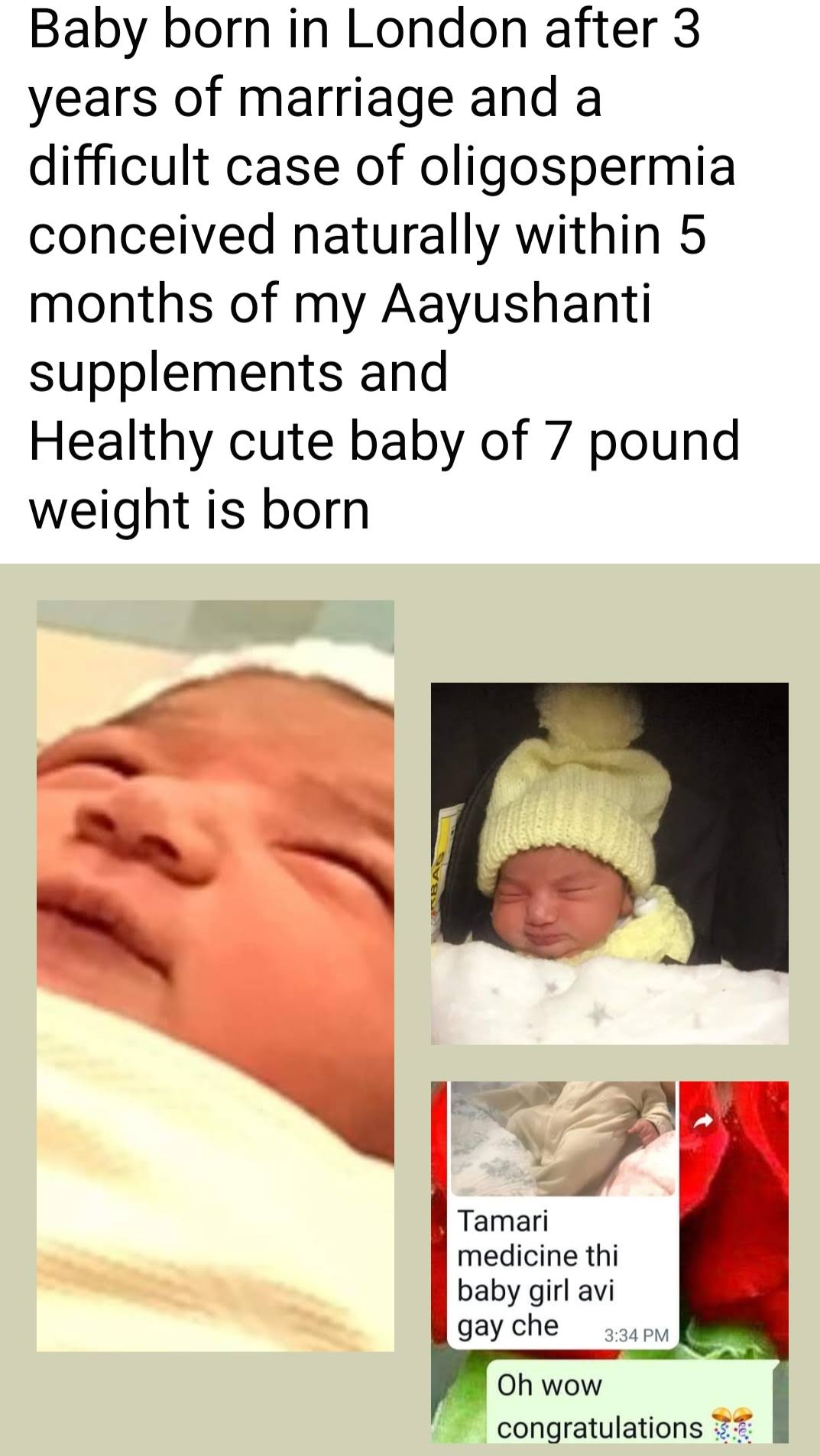
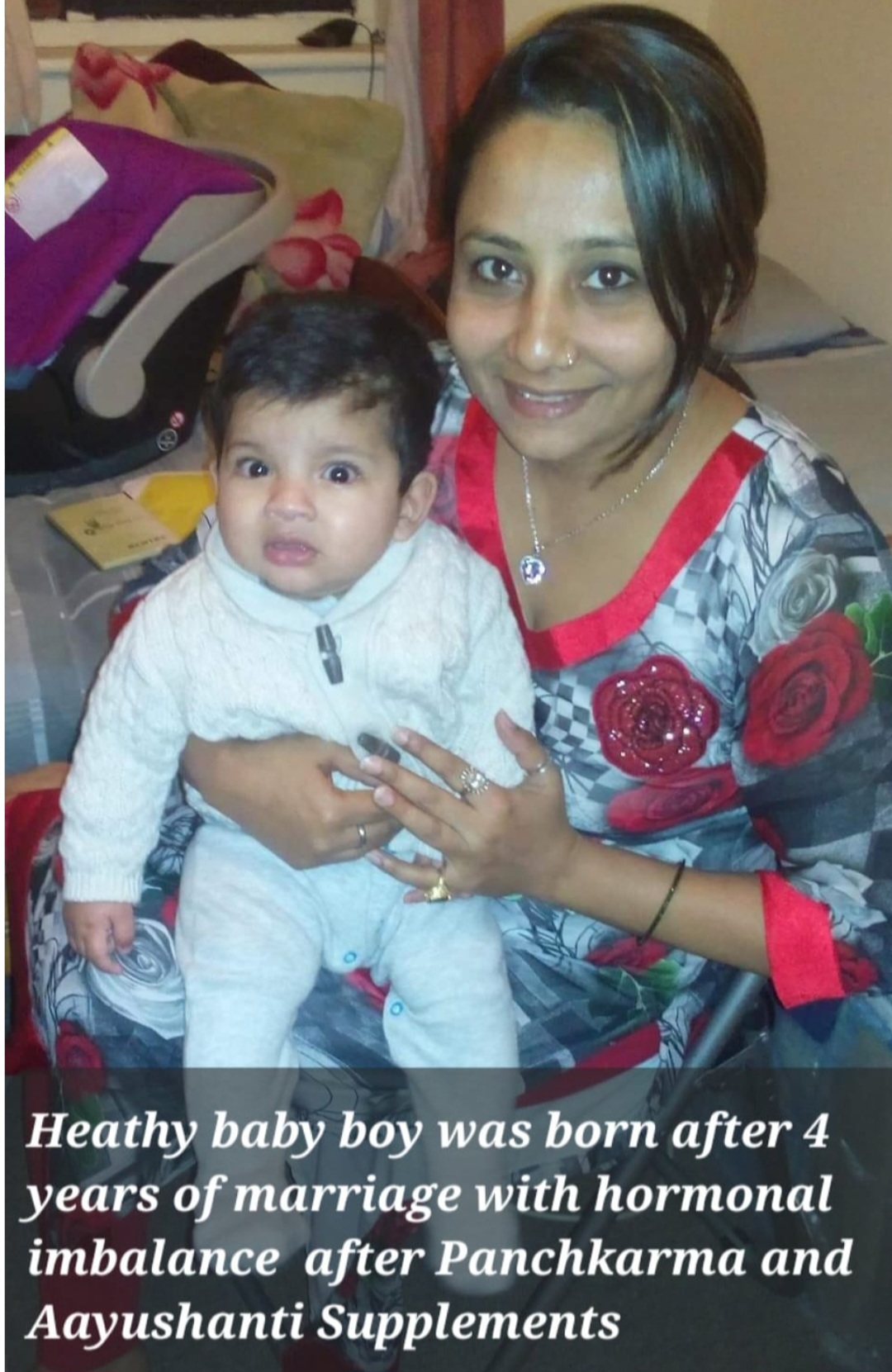
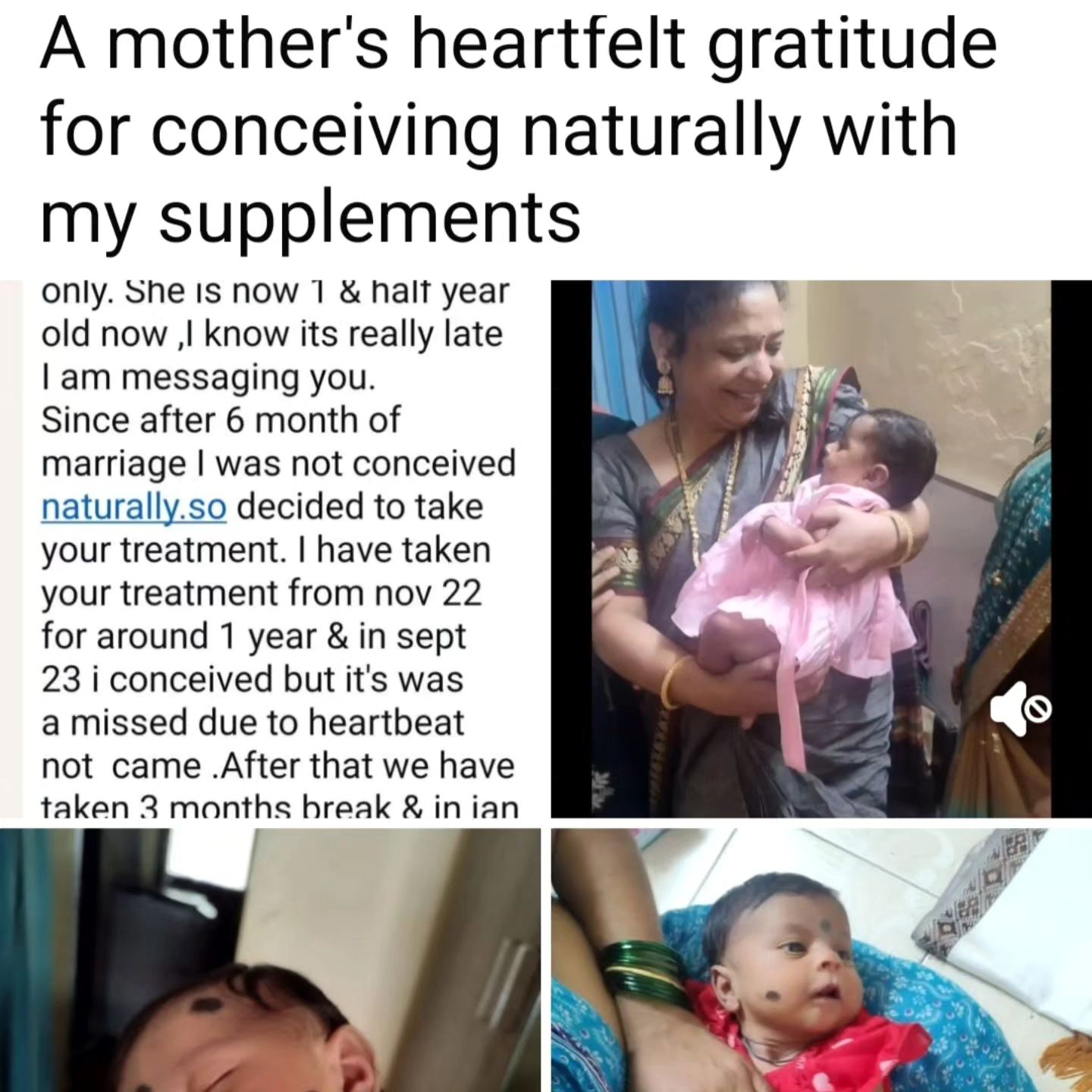
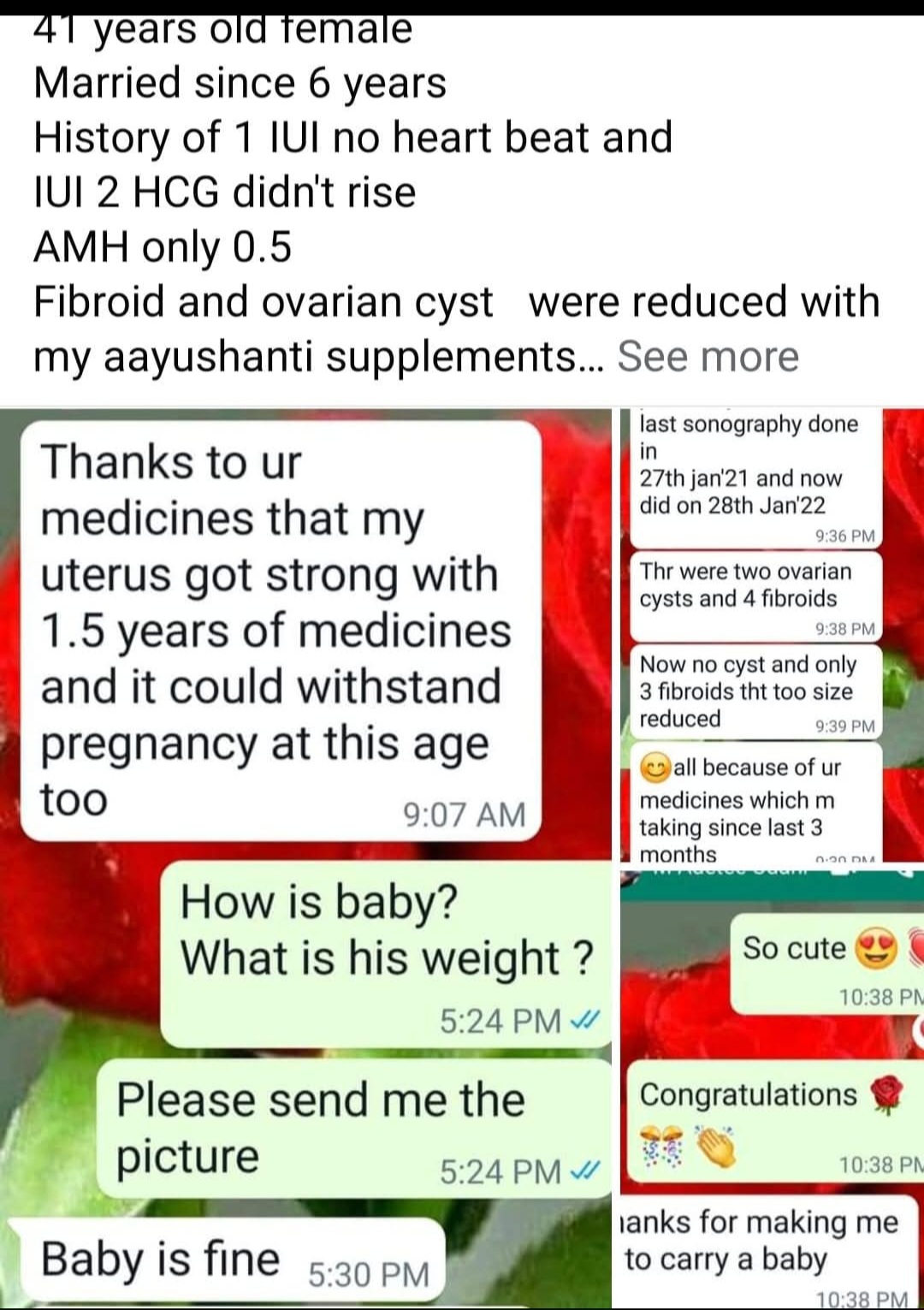
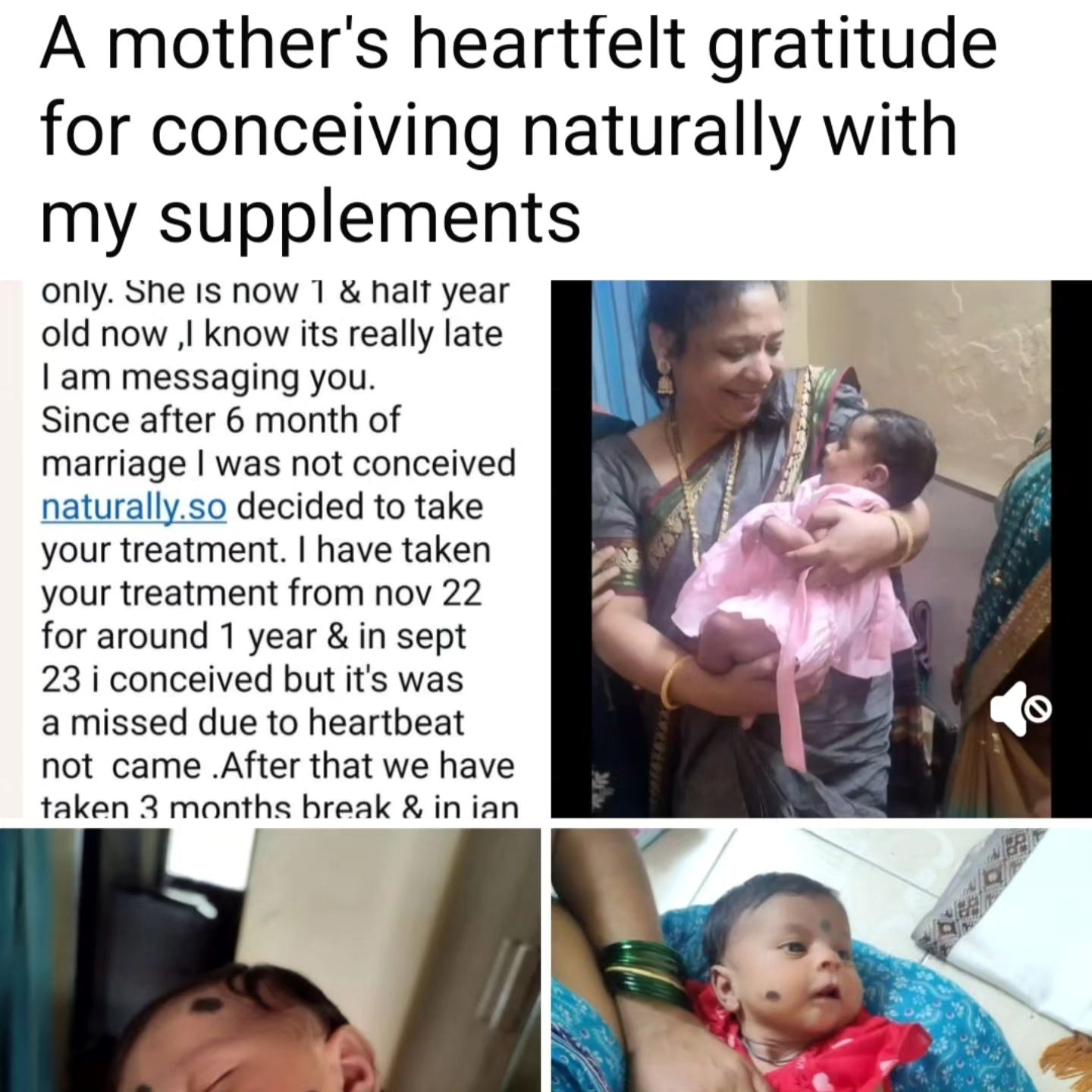
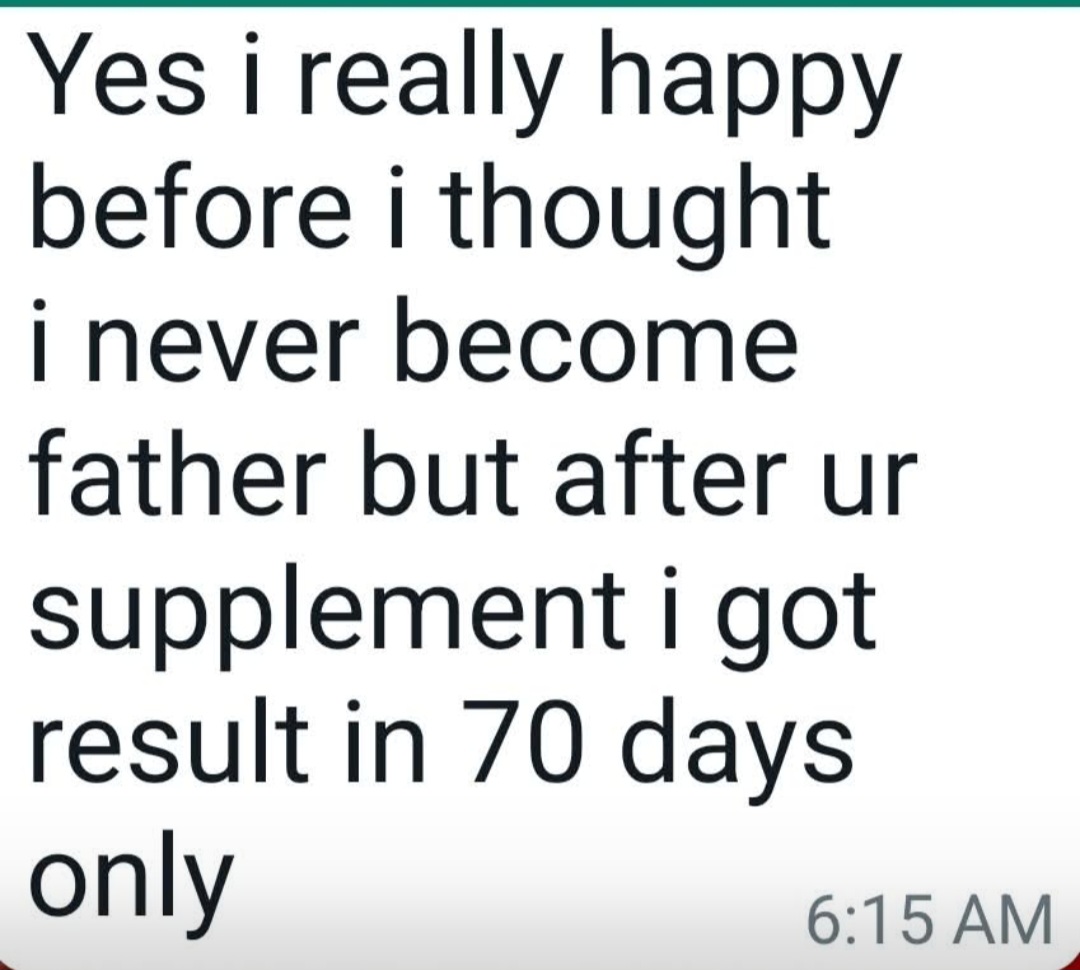
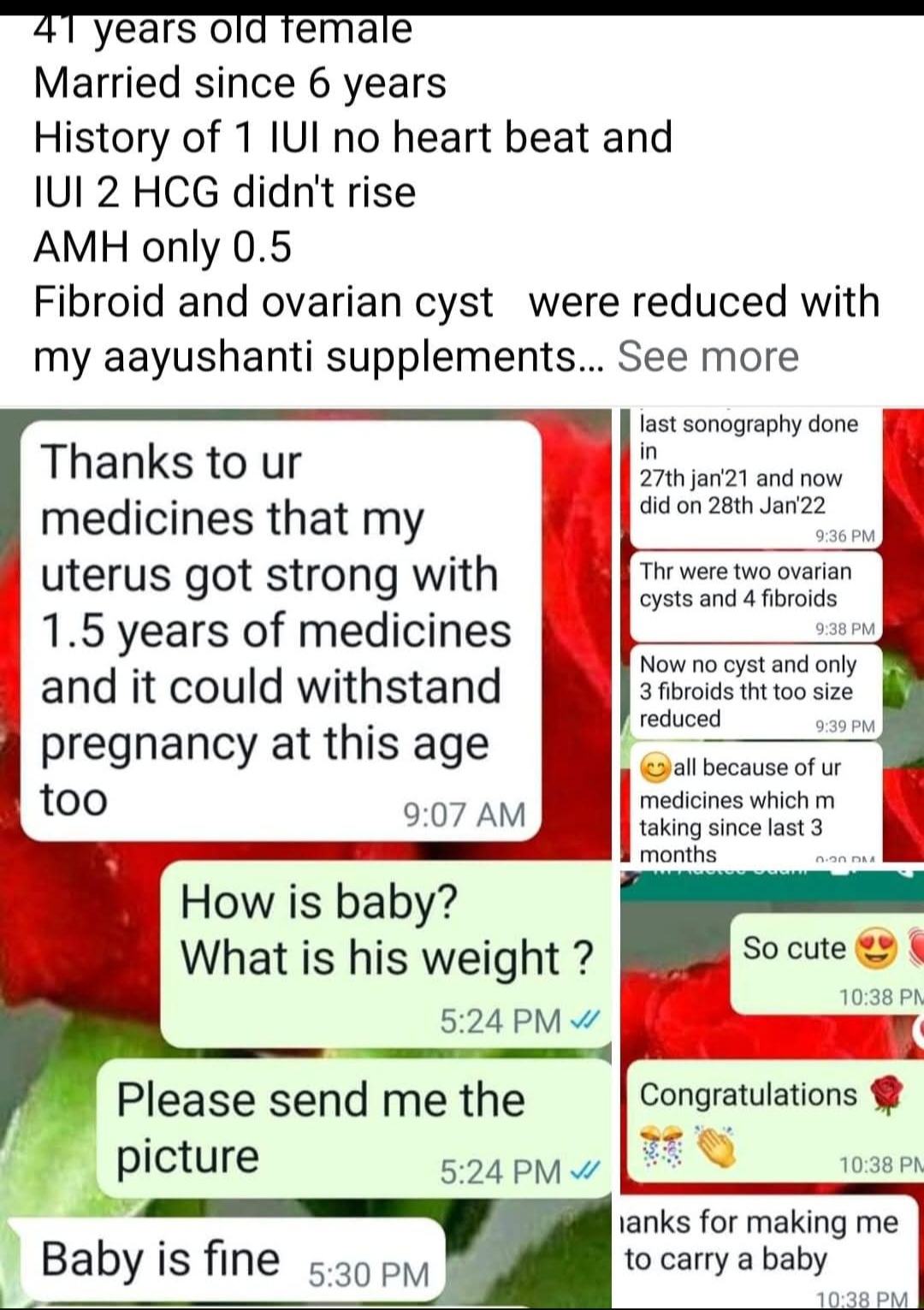
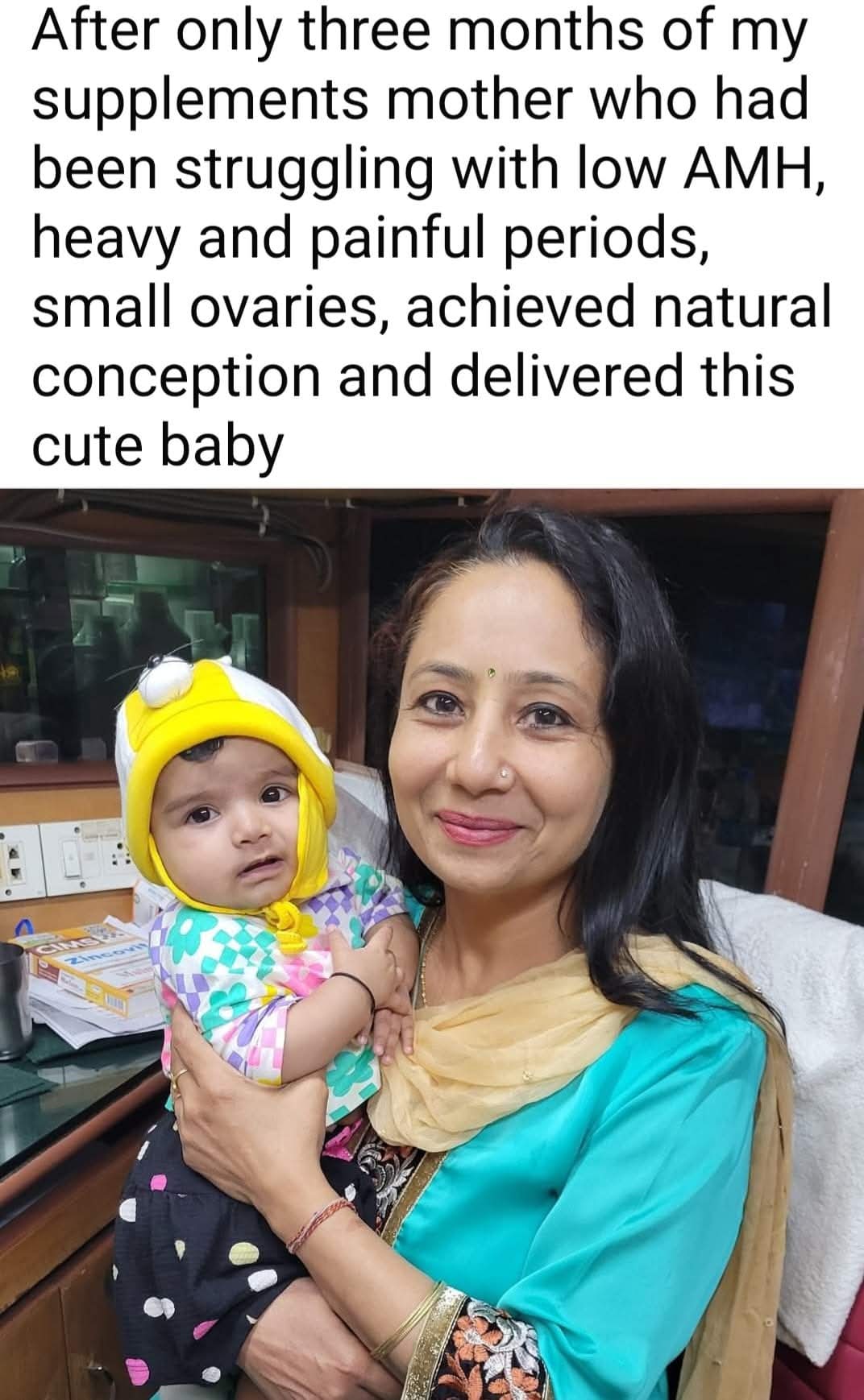
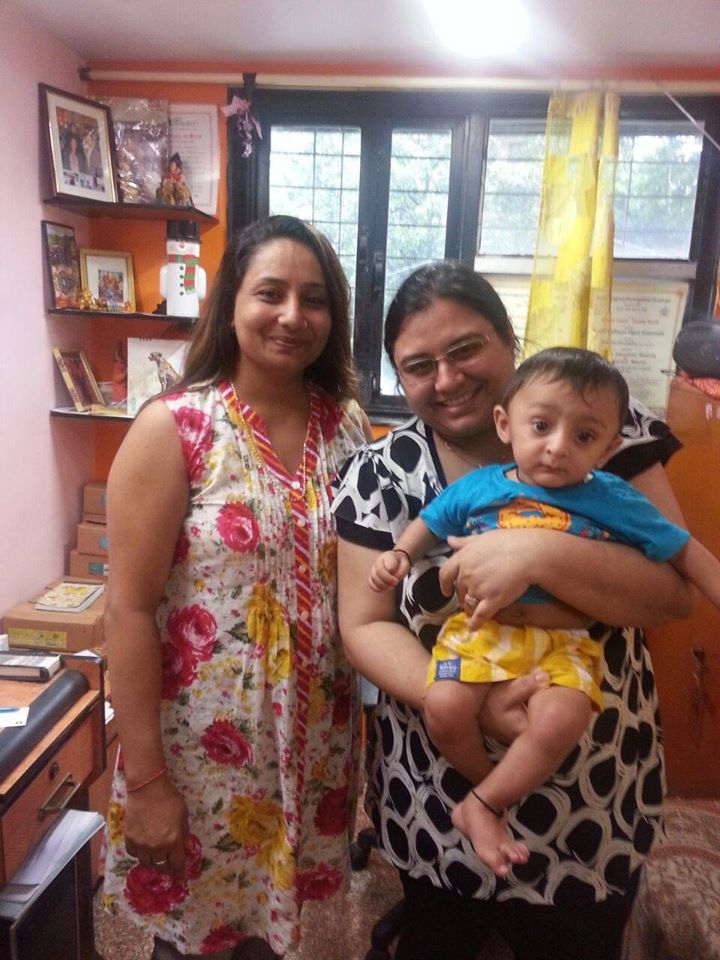
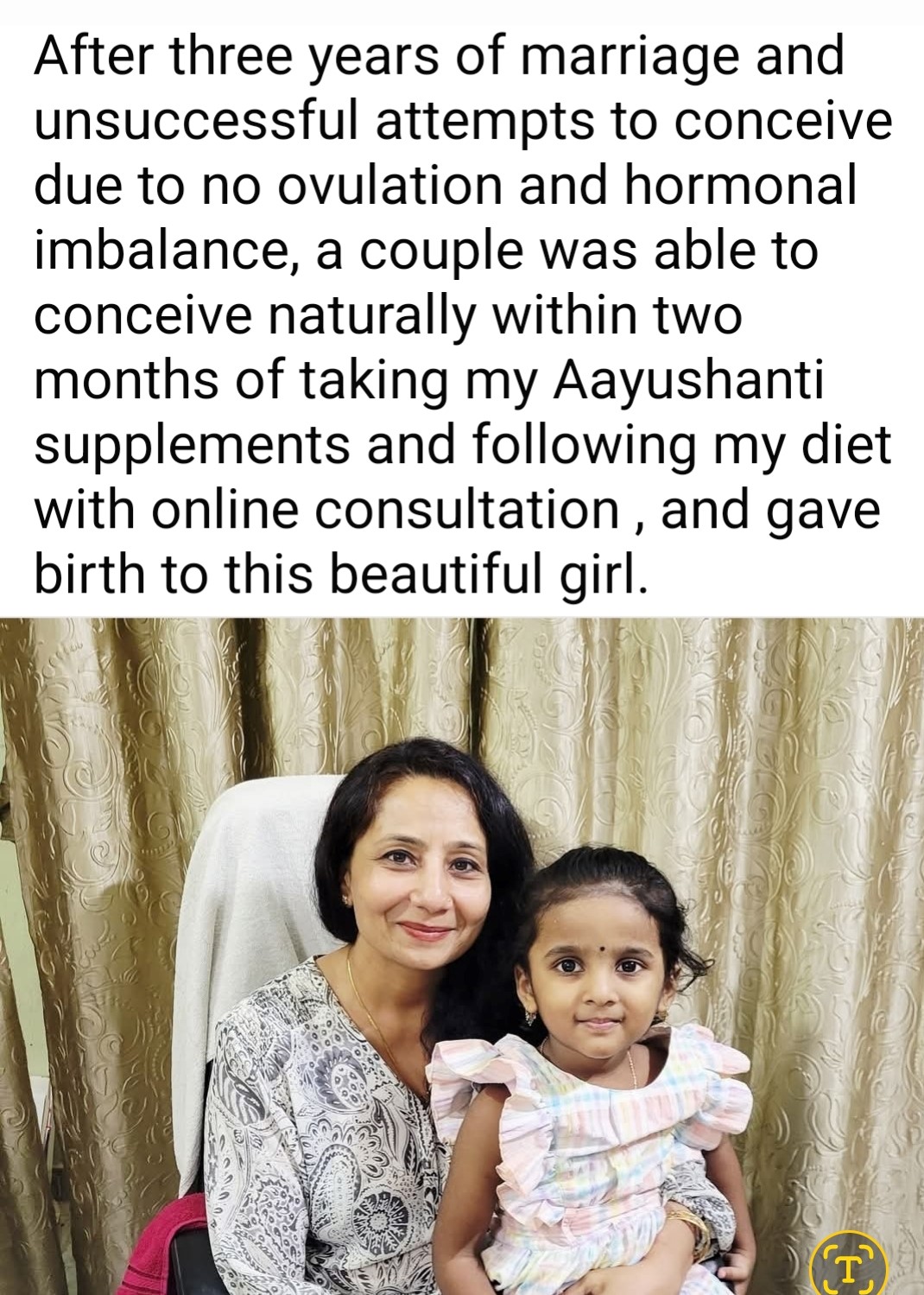
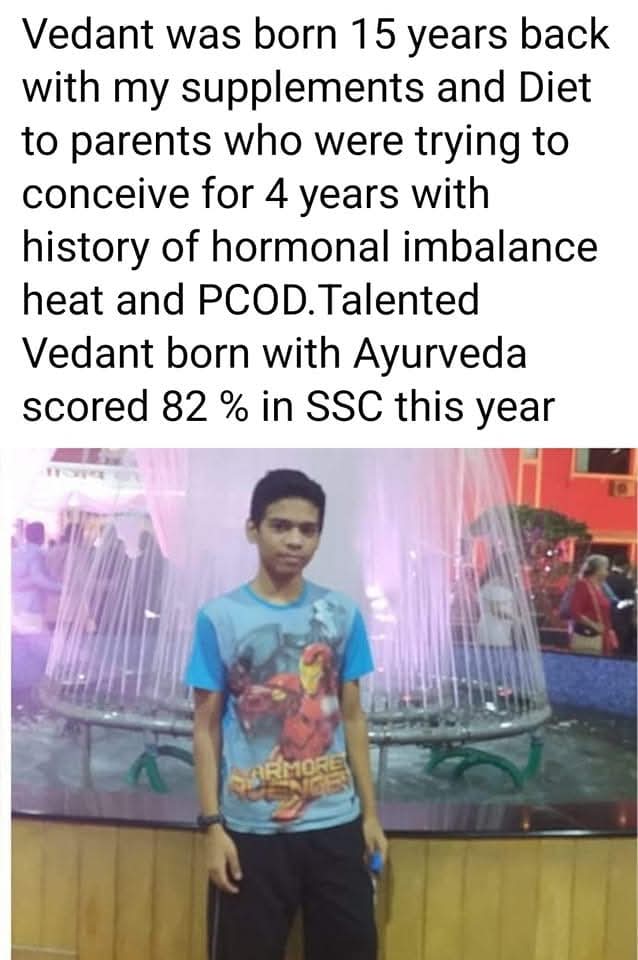
Testimonials of Infertility
Before conception Ayurveda advises to detoxify the system with
Panchkarma for the prevention of birth defects, congenital and hereditary
problems in the next generation and the children born with our herbs
and the exact procedure of Panchkarma before conception is beautiful
healthy, sharp, smart and have a very strong immune system.
For the couples who have excess heat, and the reports are normal, but
they are still not able to conceive due to toxins or heat. Panchkarma is the
best solution for them, and we have hundreds of couples who conceived
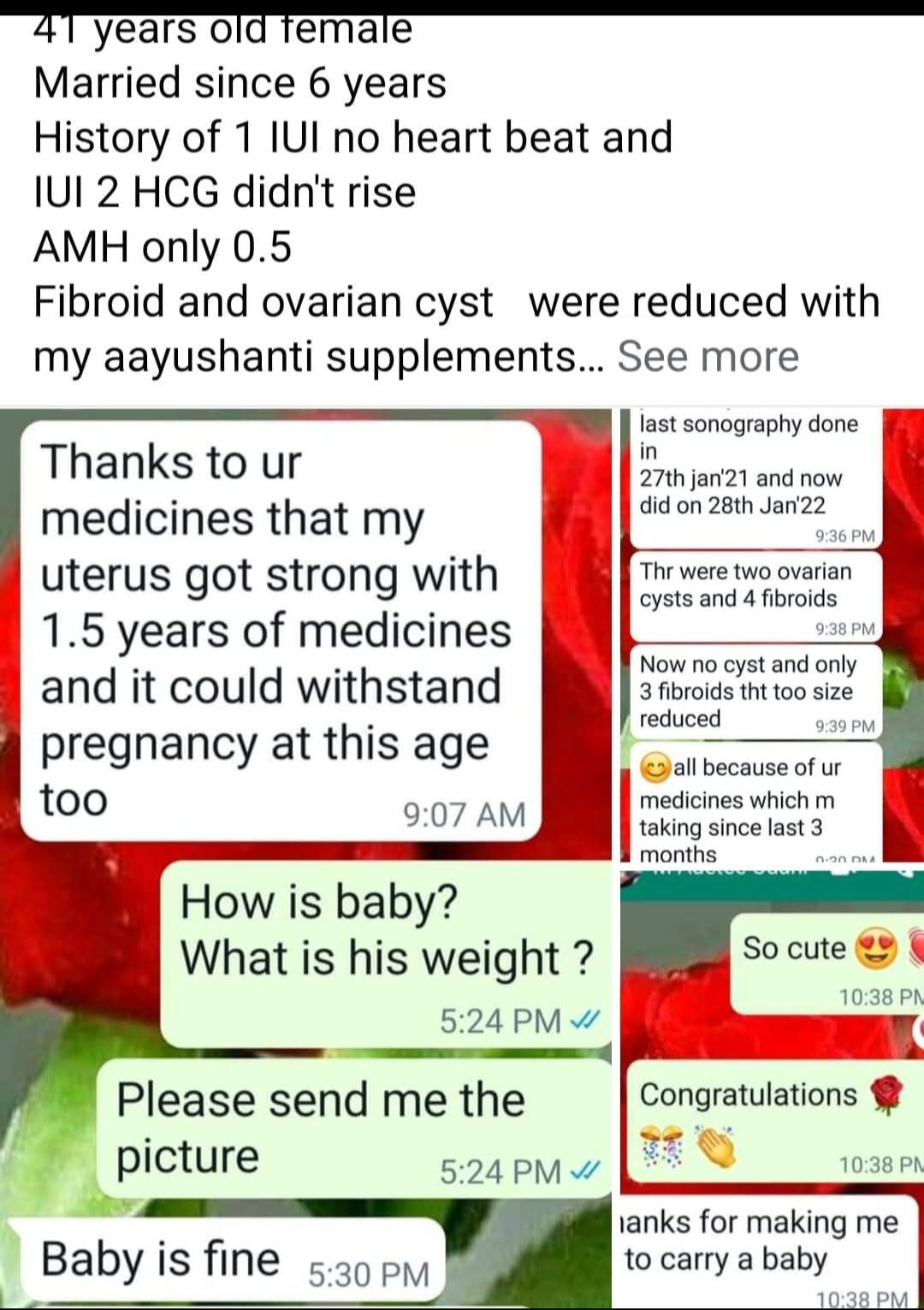
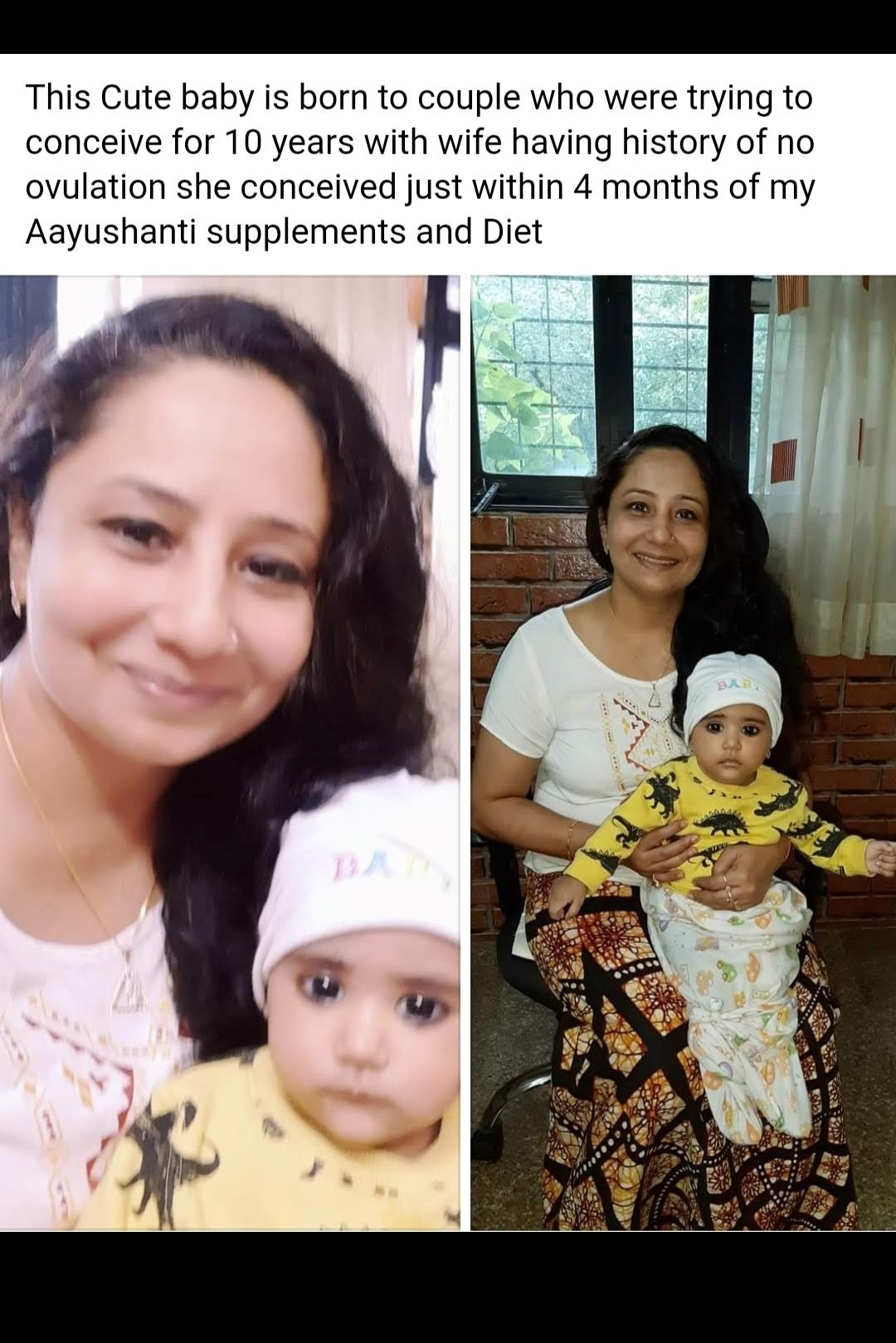
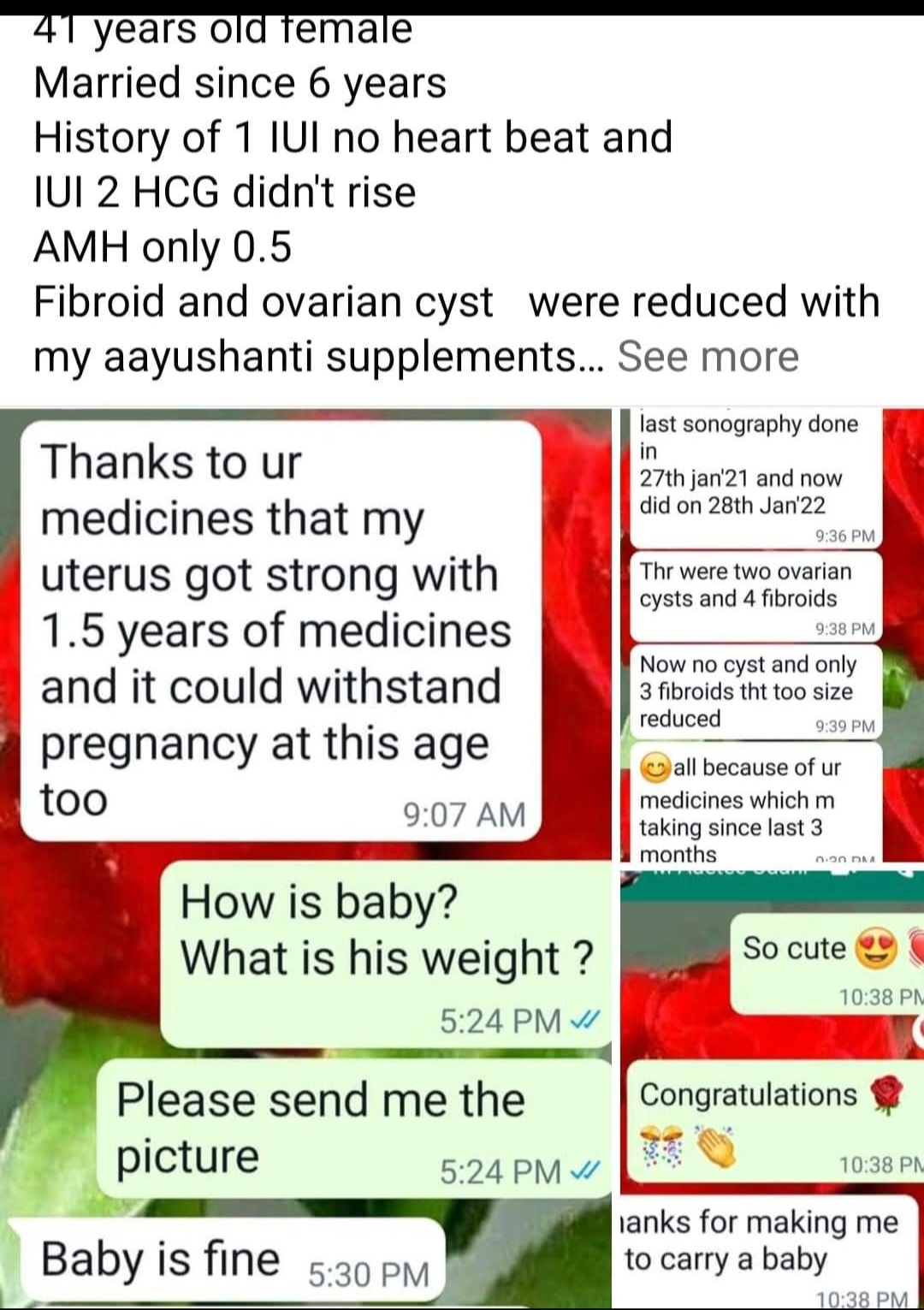
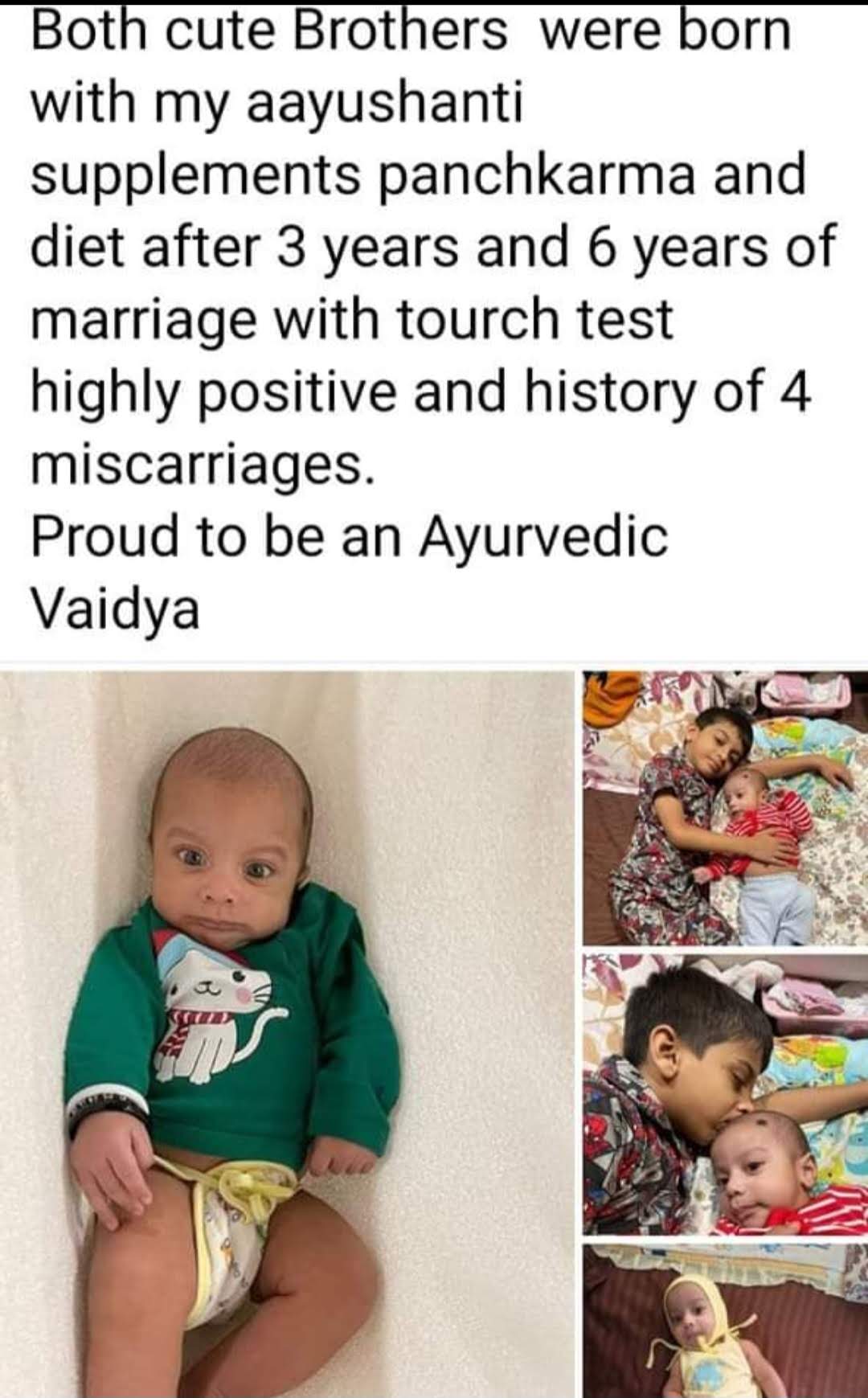
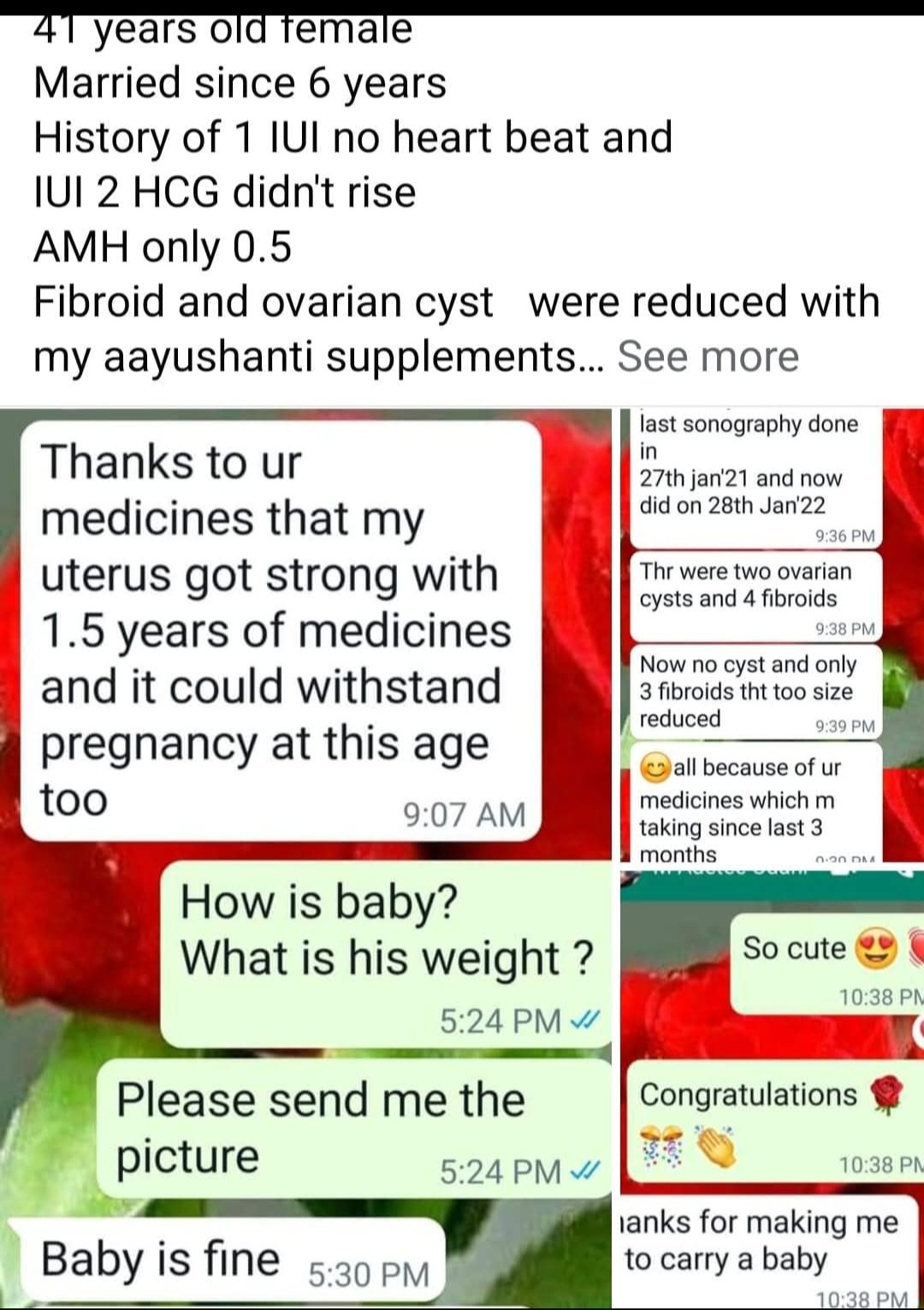
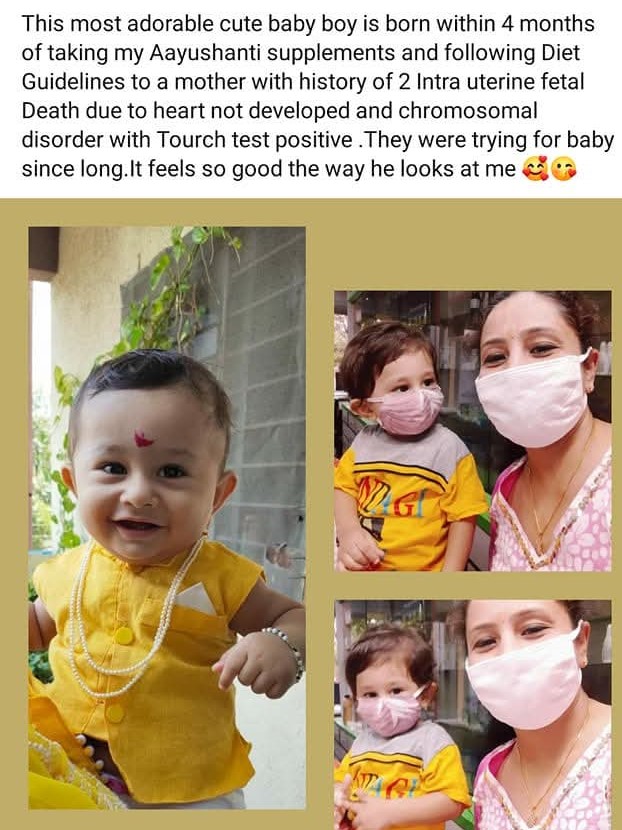
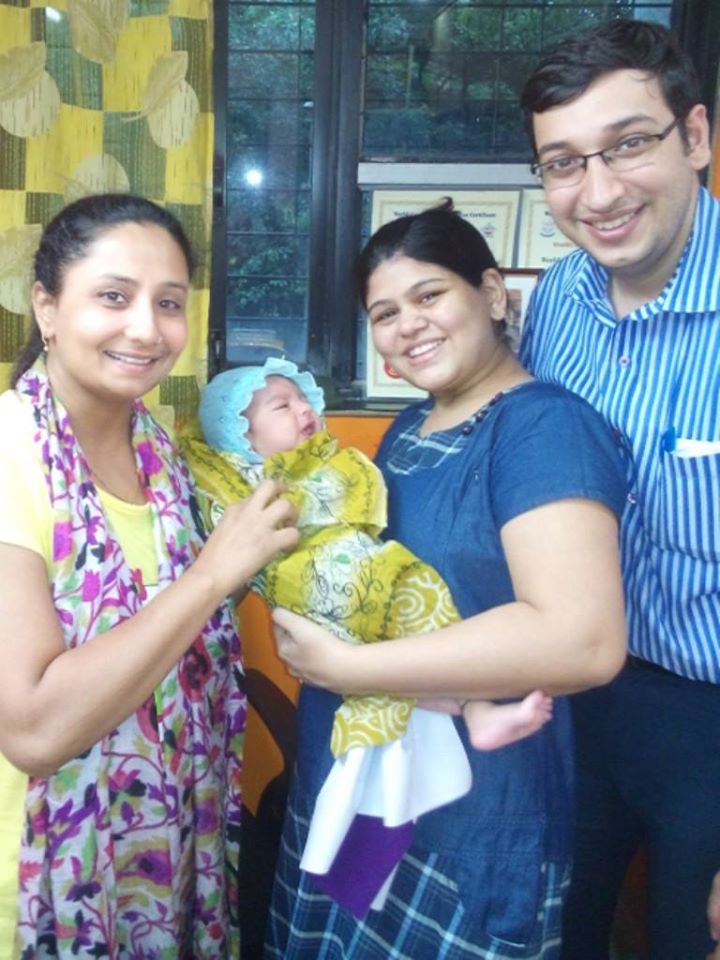
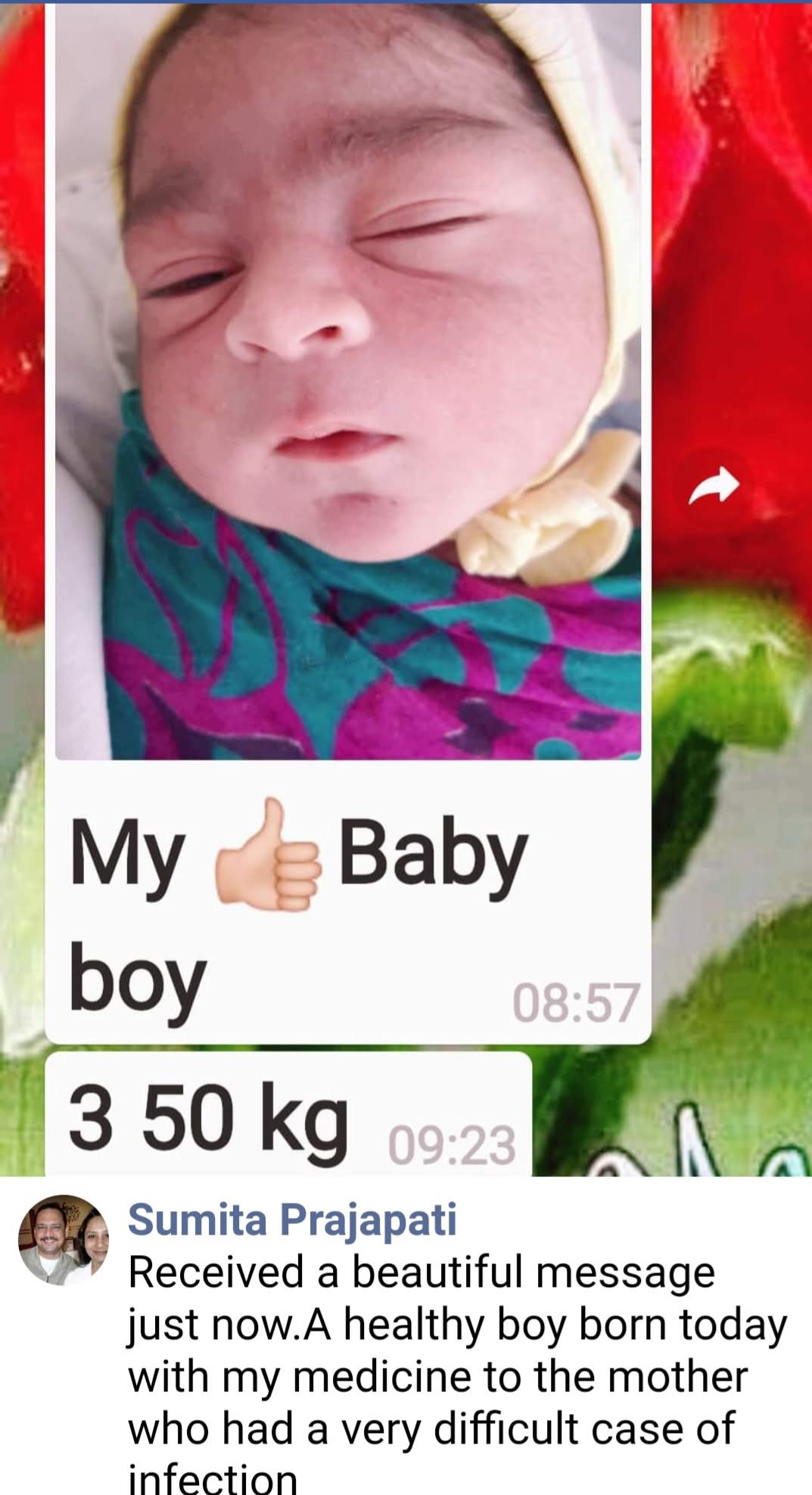
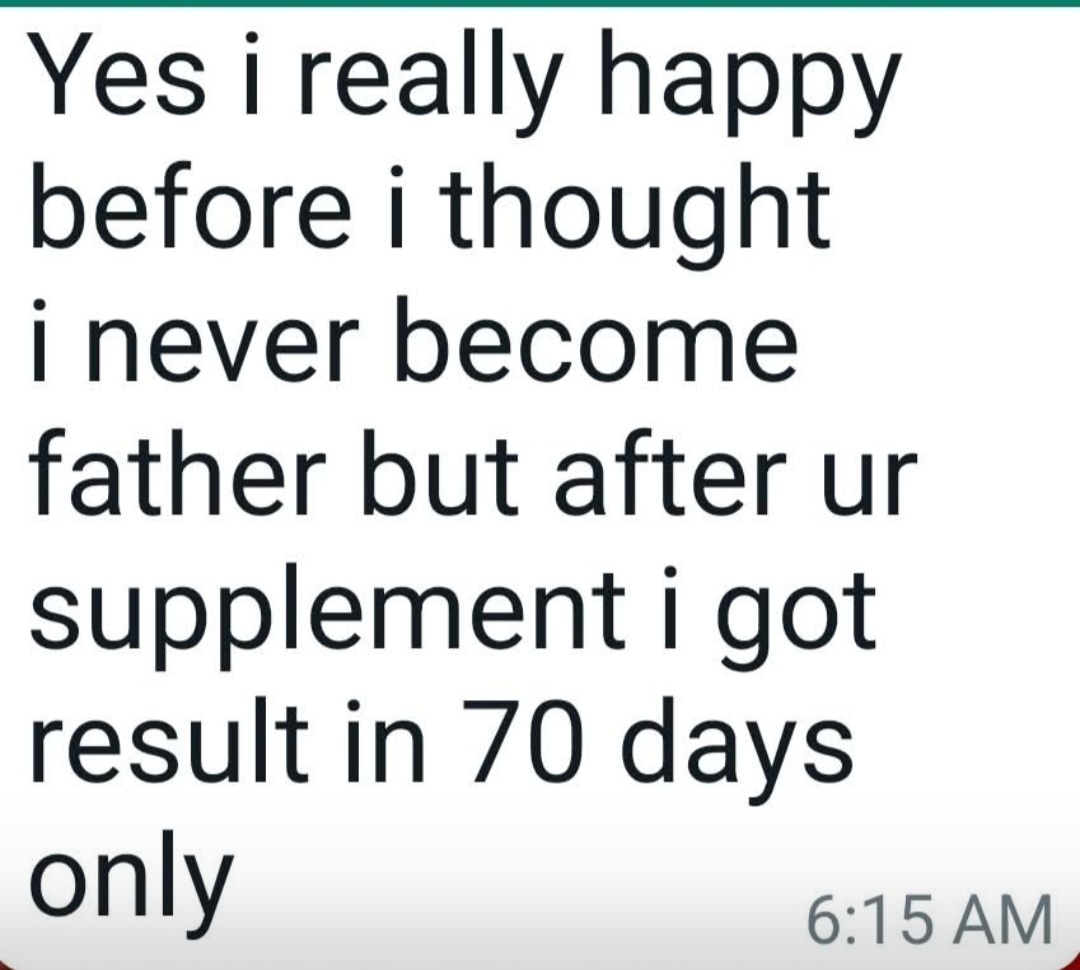
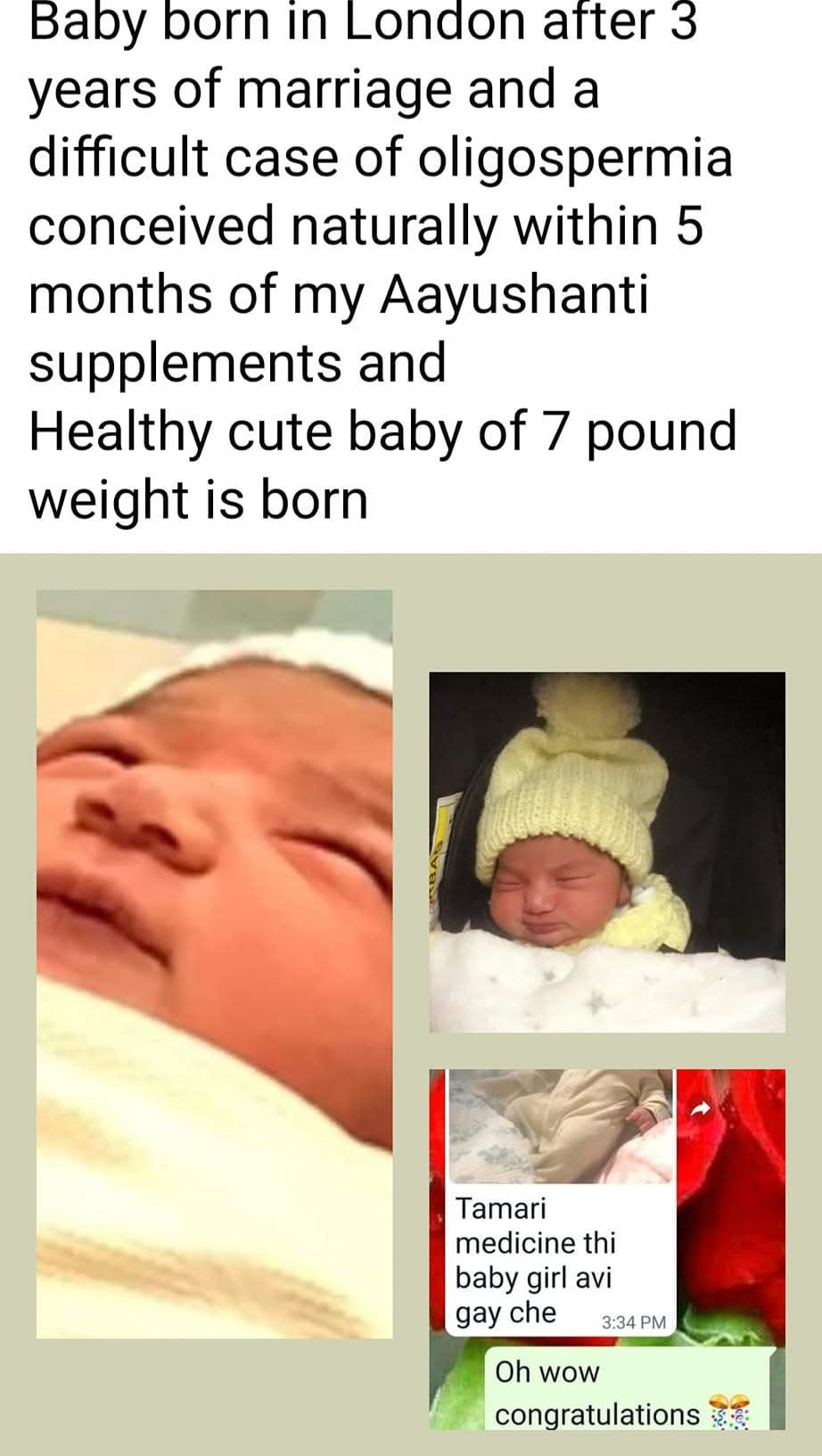
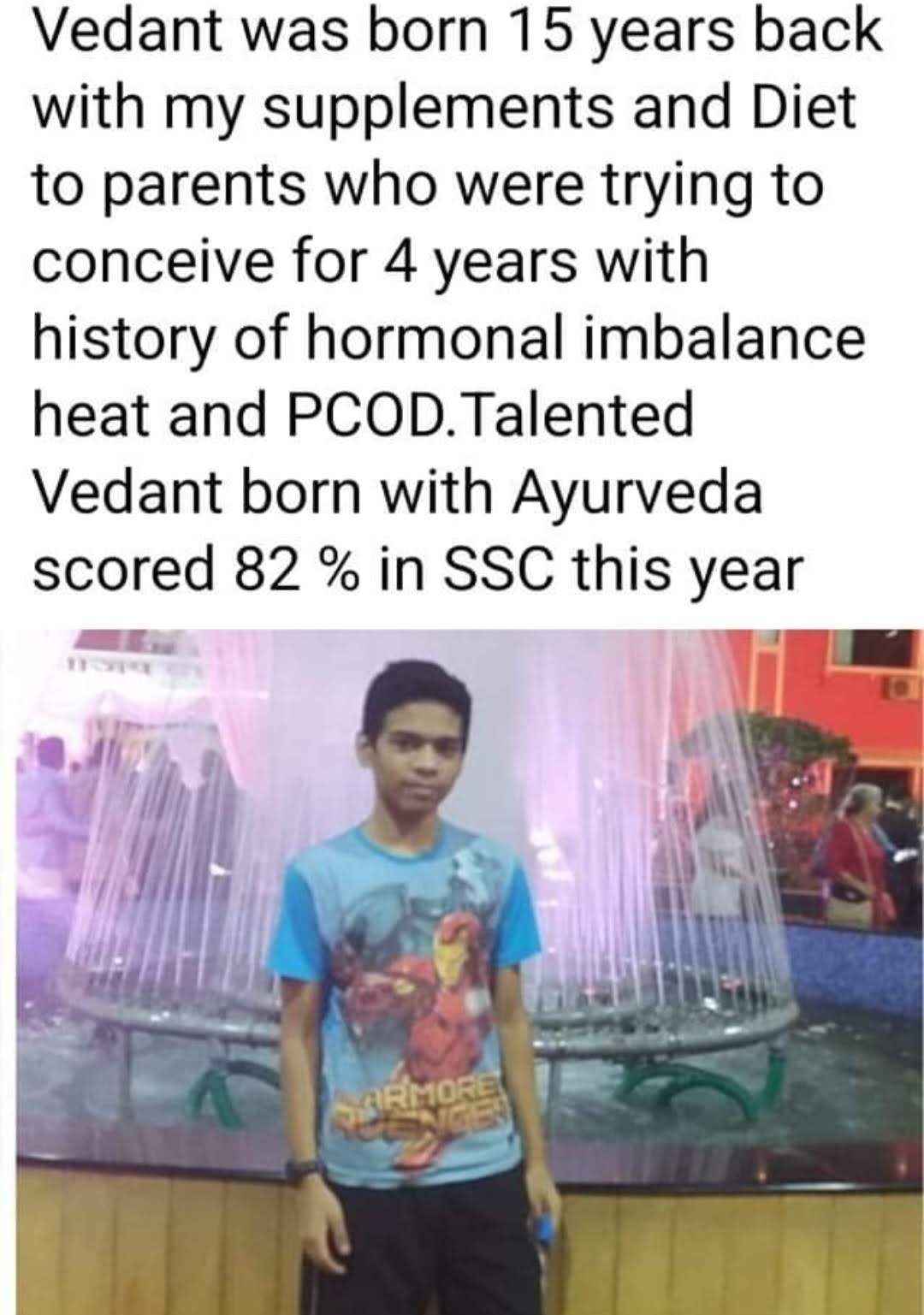
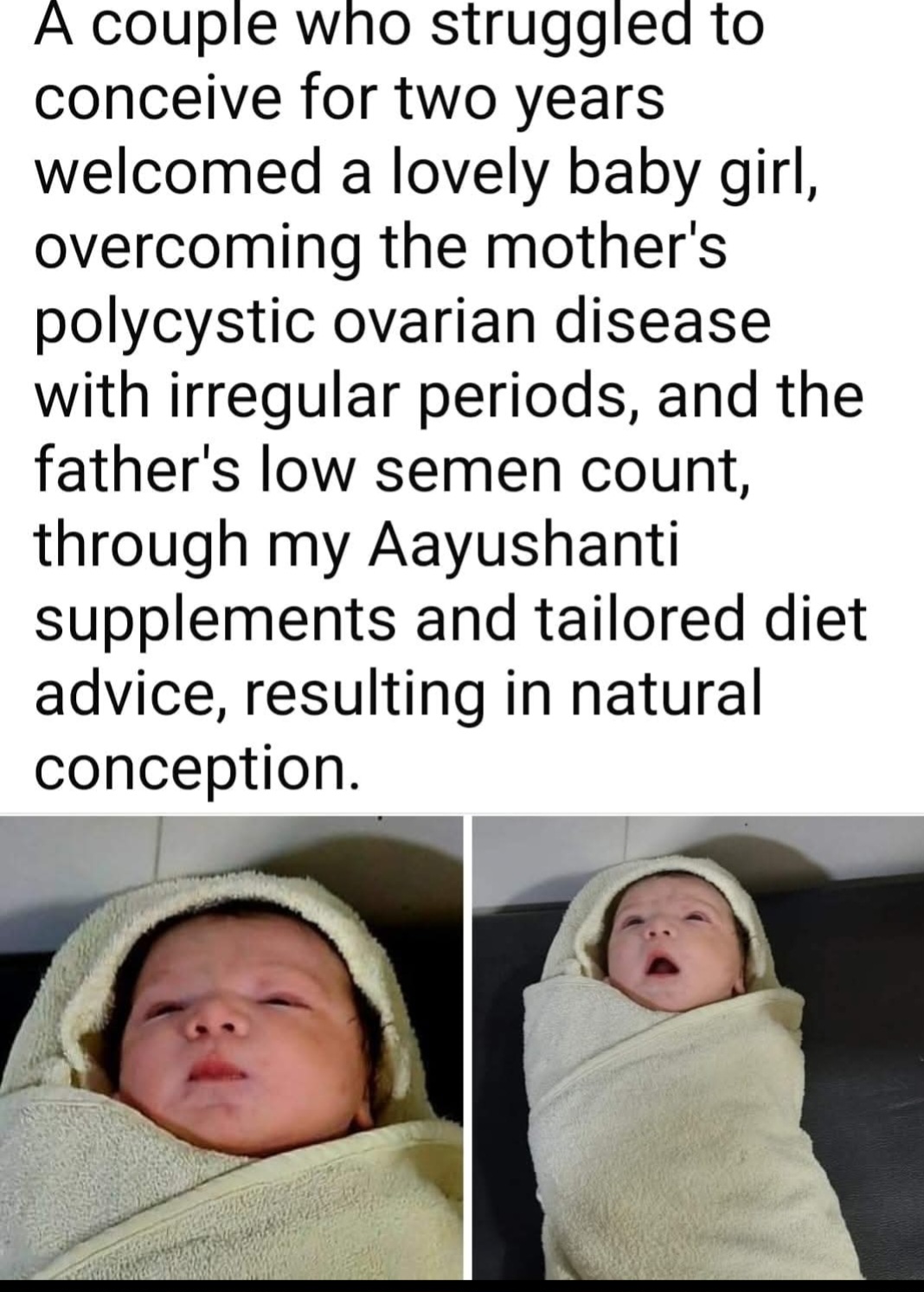
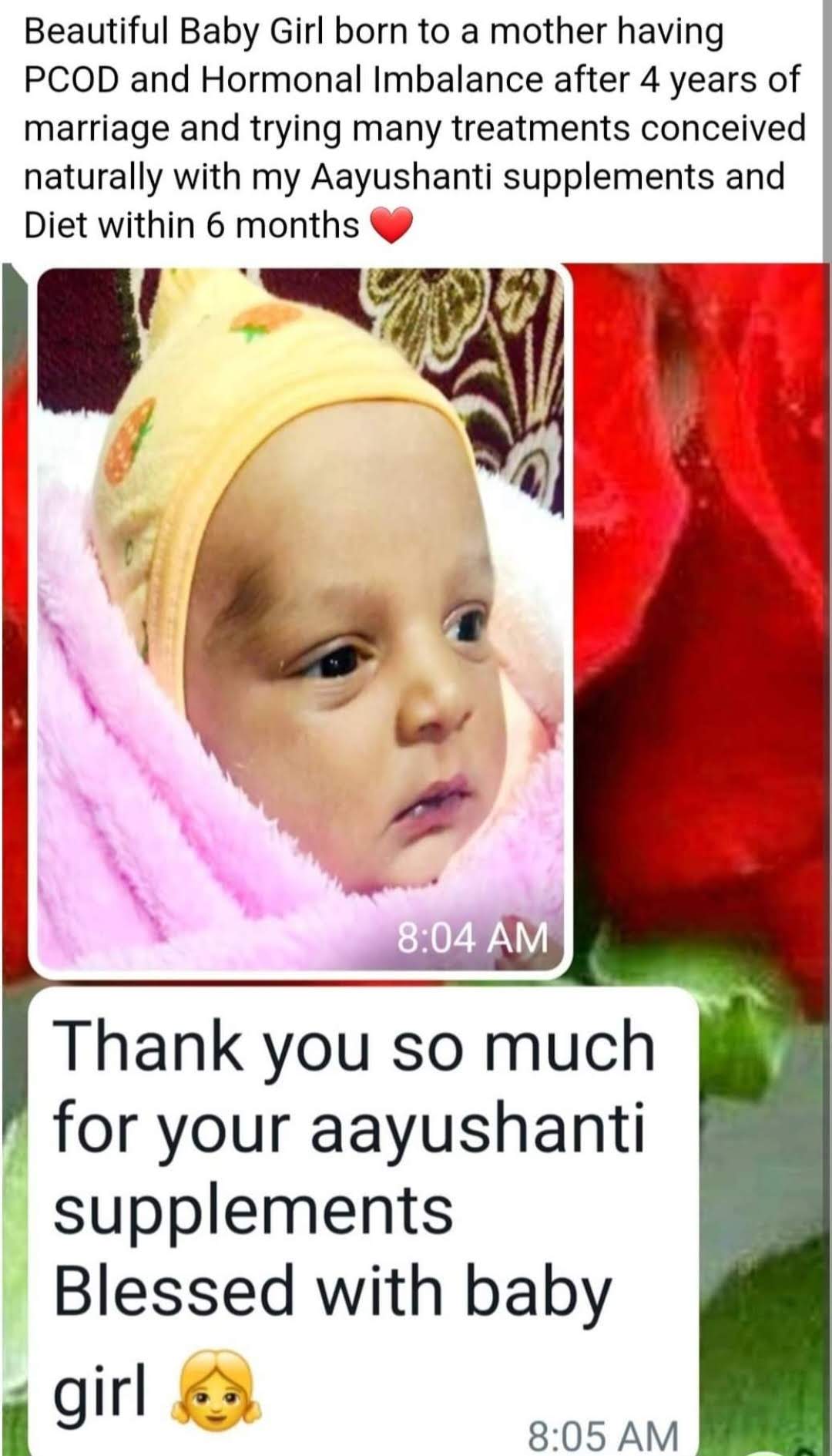
naturally, even after multiple IVF AND IUI Failure with the help of our supplements and Panchkarma and have very Healthy Babies.
Many couples conceive naturally just after 2 months of Aayushanti herbs
advised by Dr Sumita and a week of virechan. One case conceived after 8 years of
marriage with both tube blocks.
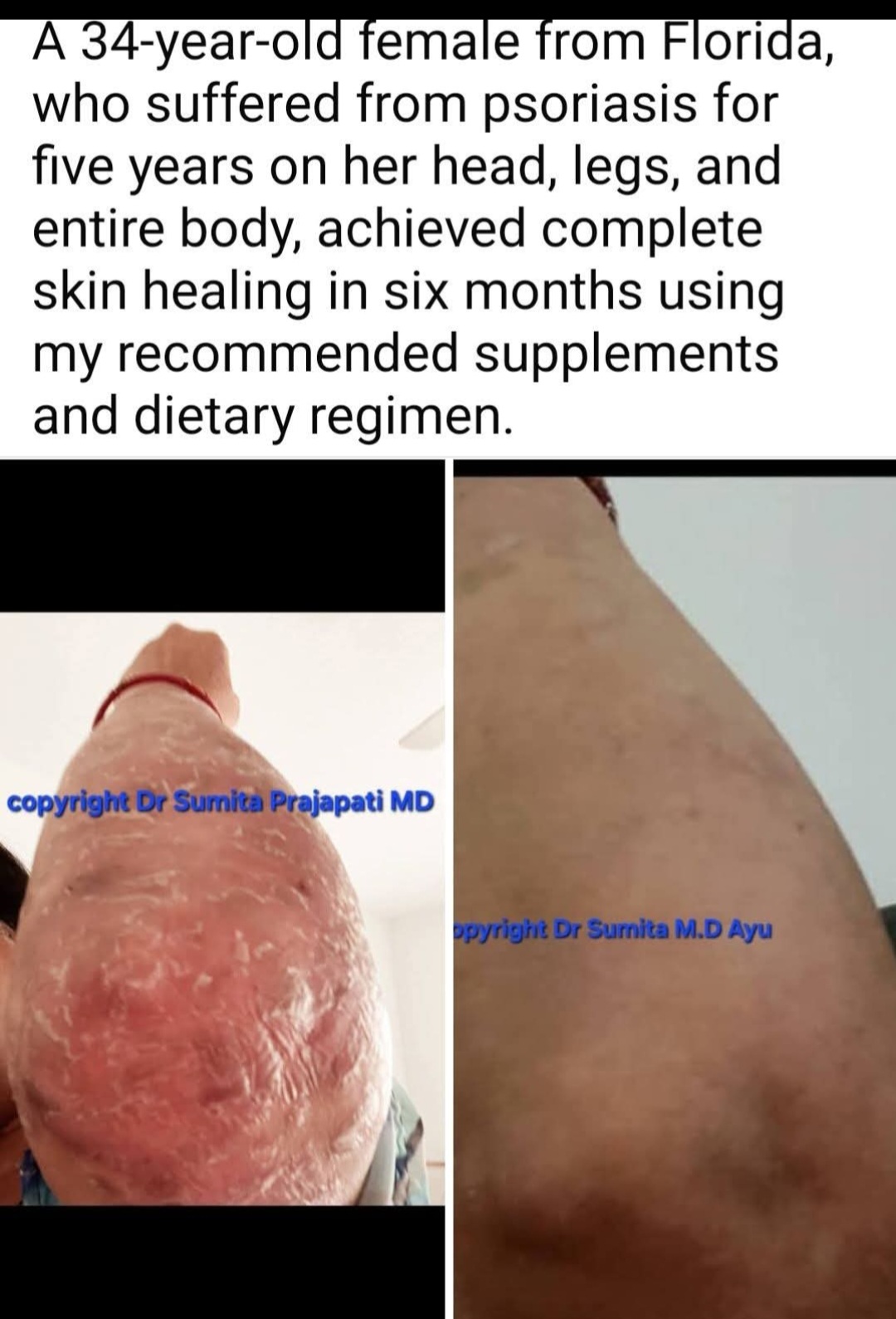
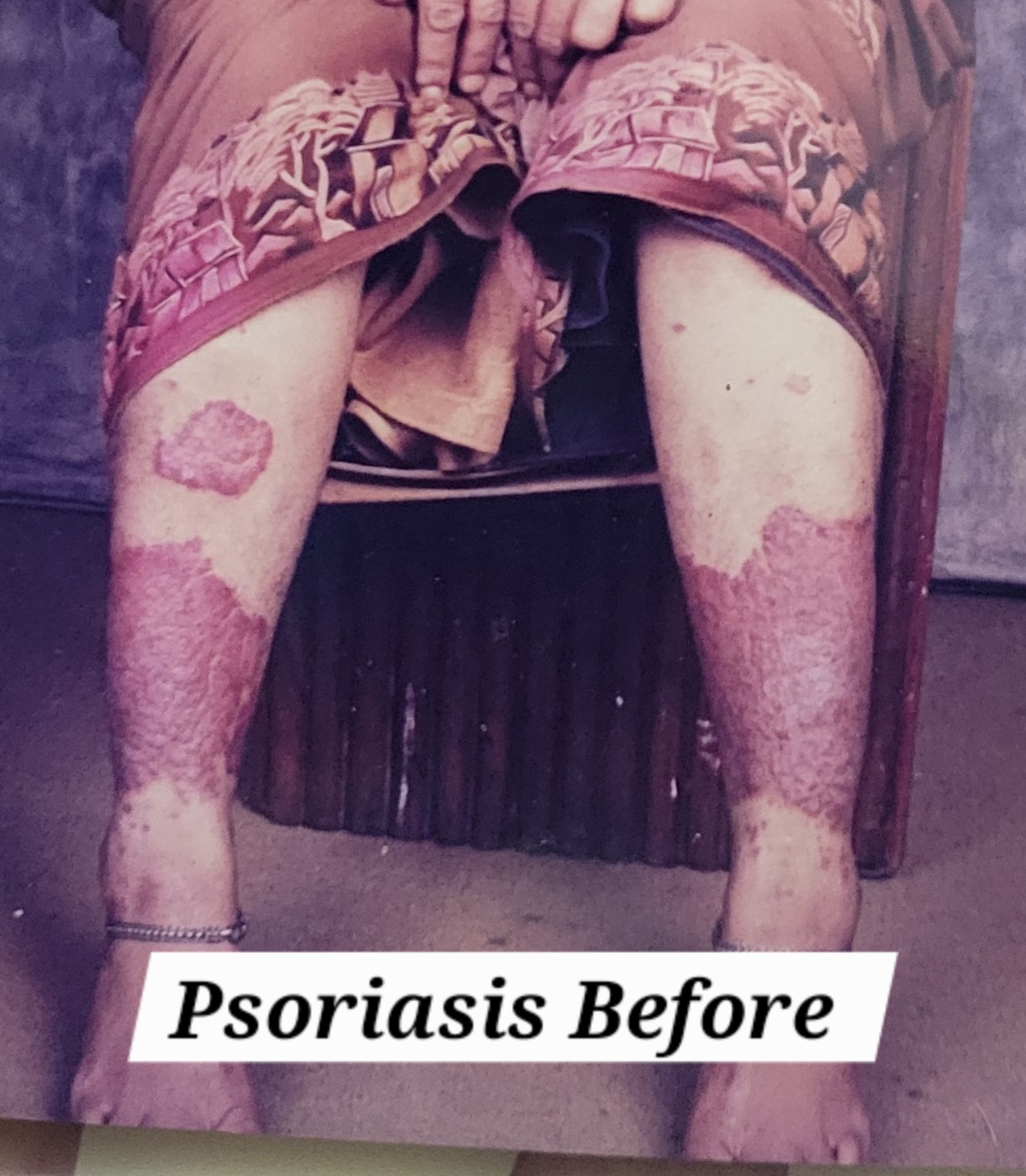
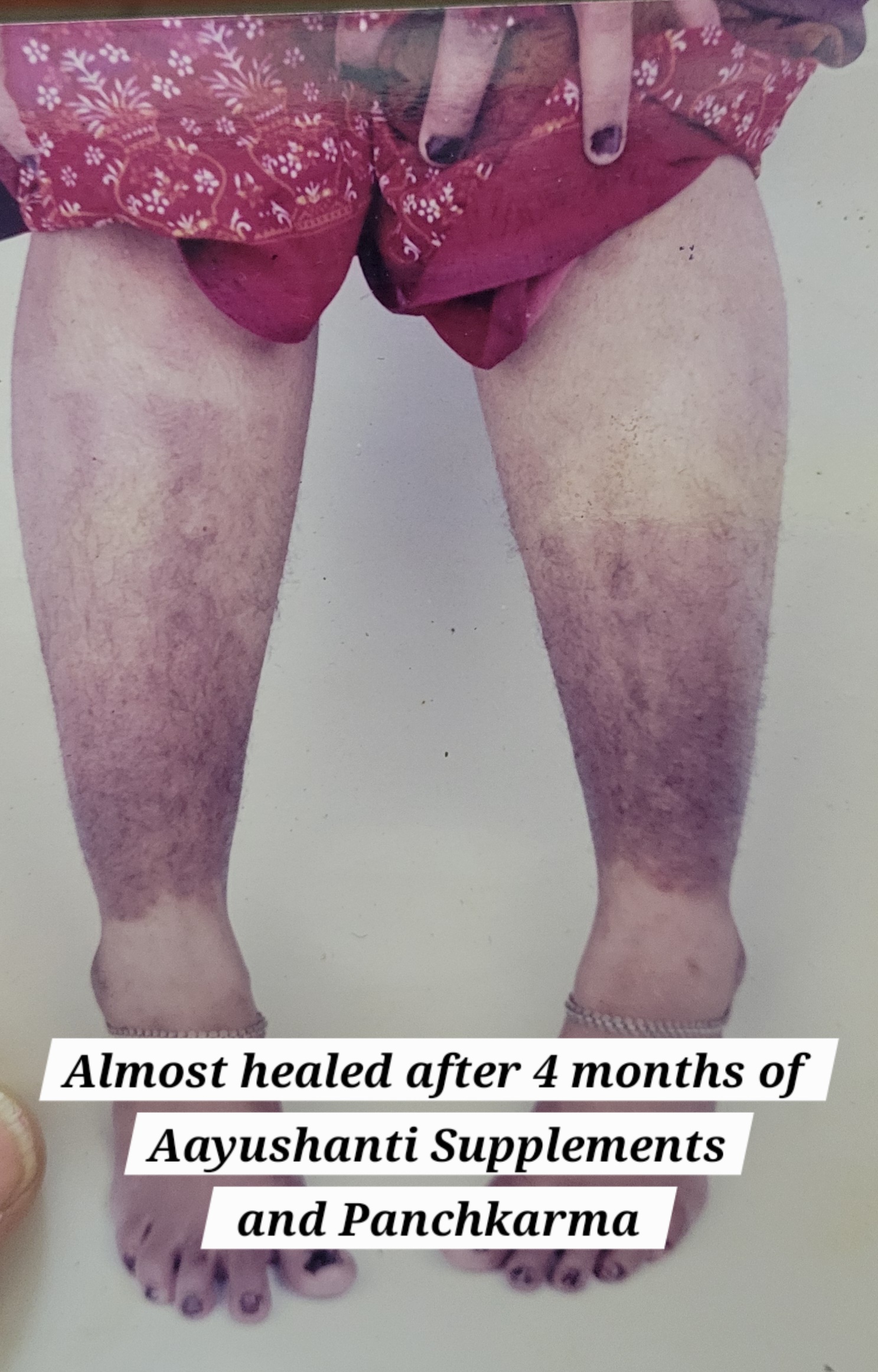
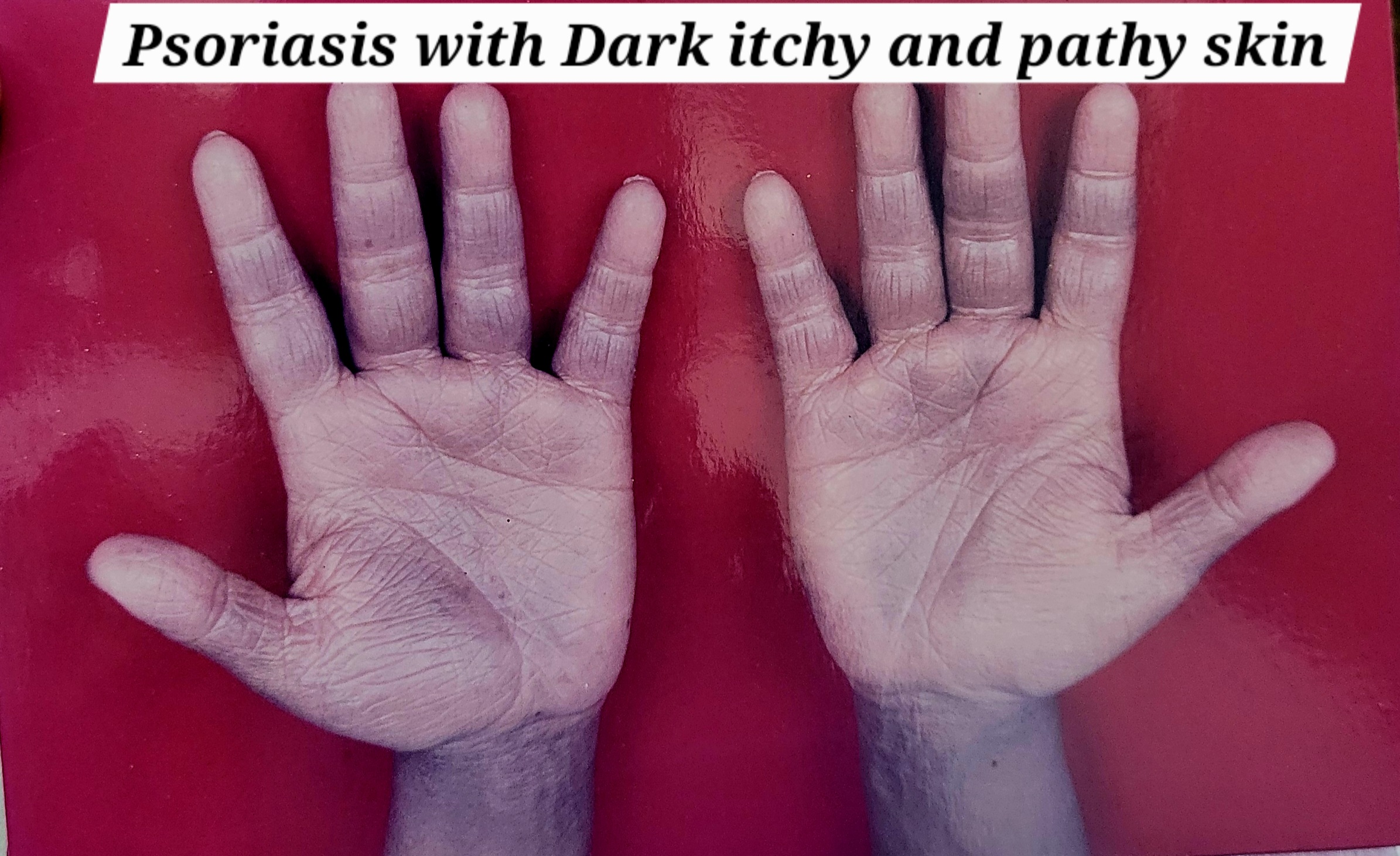
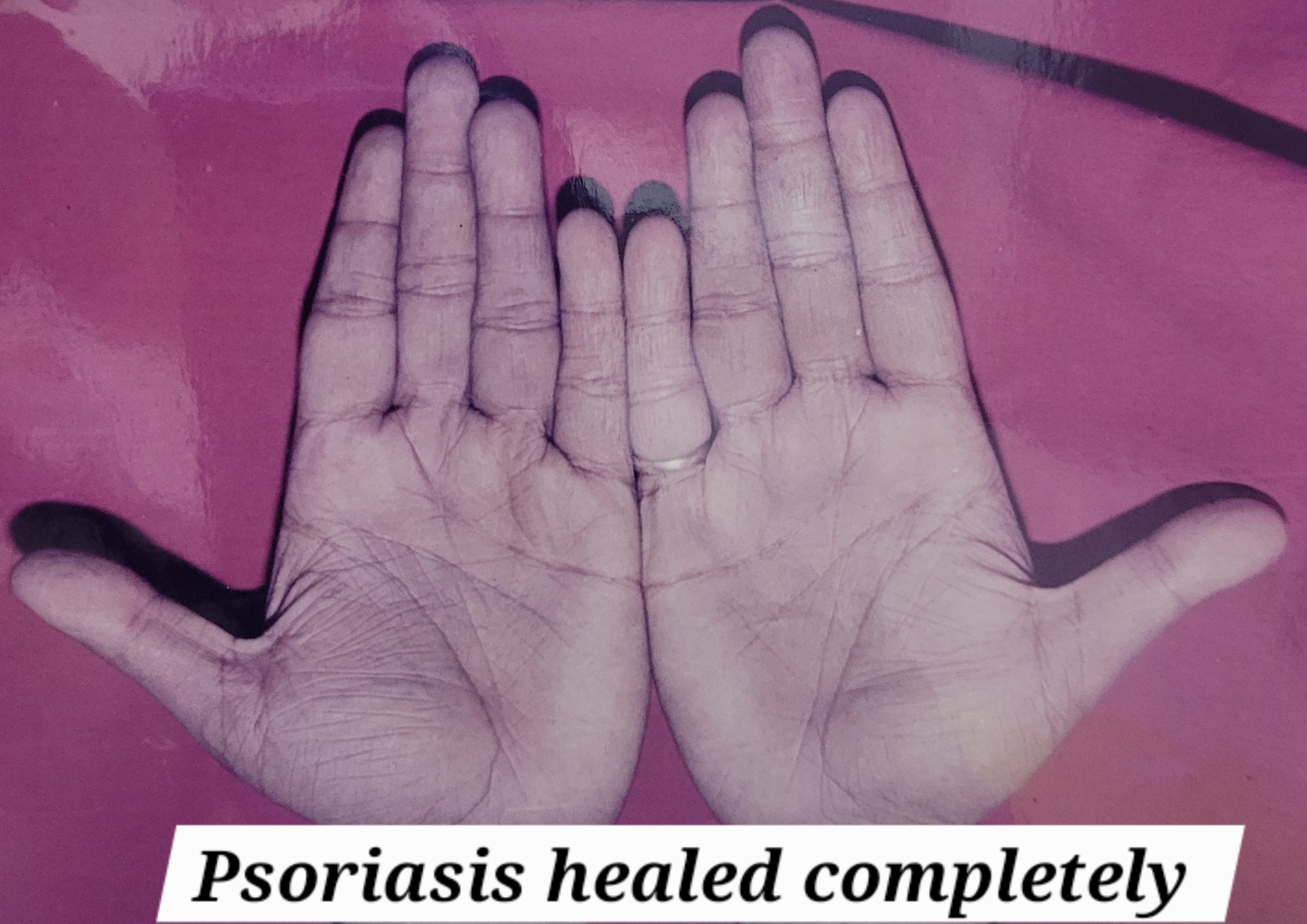
Panchkarma for Skin Diseases
Skin diseases are due to excess heat or the accumulation of heat in the blood
called Lohivikar or Blood Impurities, and Panchkarma is the way to clean
the toxins from the blood and rejuvenate the skin. It is very effective in all
skin disorders, including chronic Psoriasis, eczema, Acne, Viral Pustules, and
herpes
Testimonial
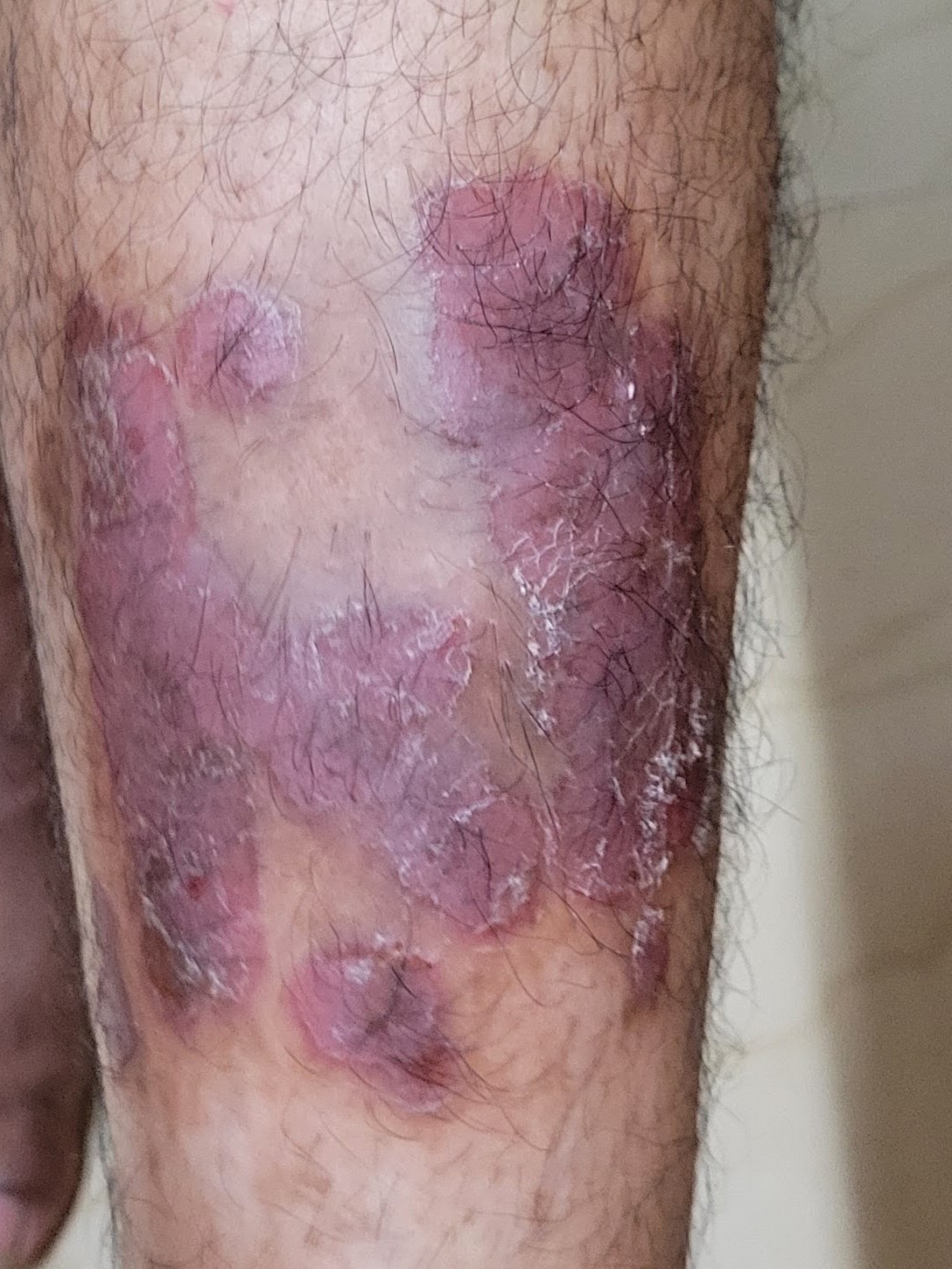
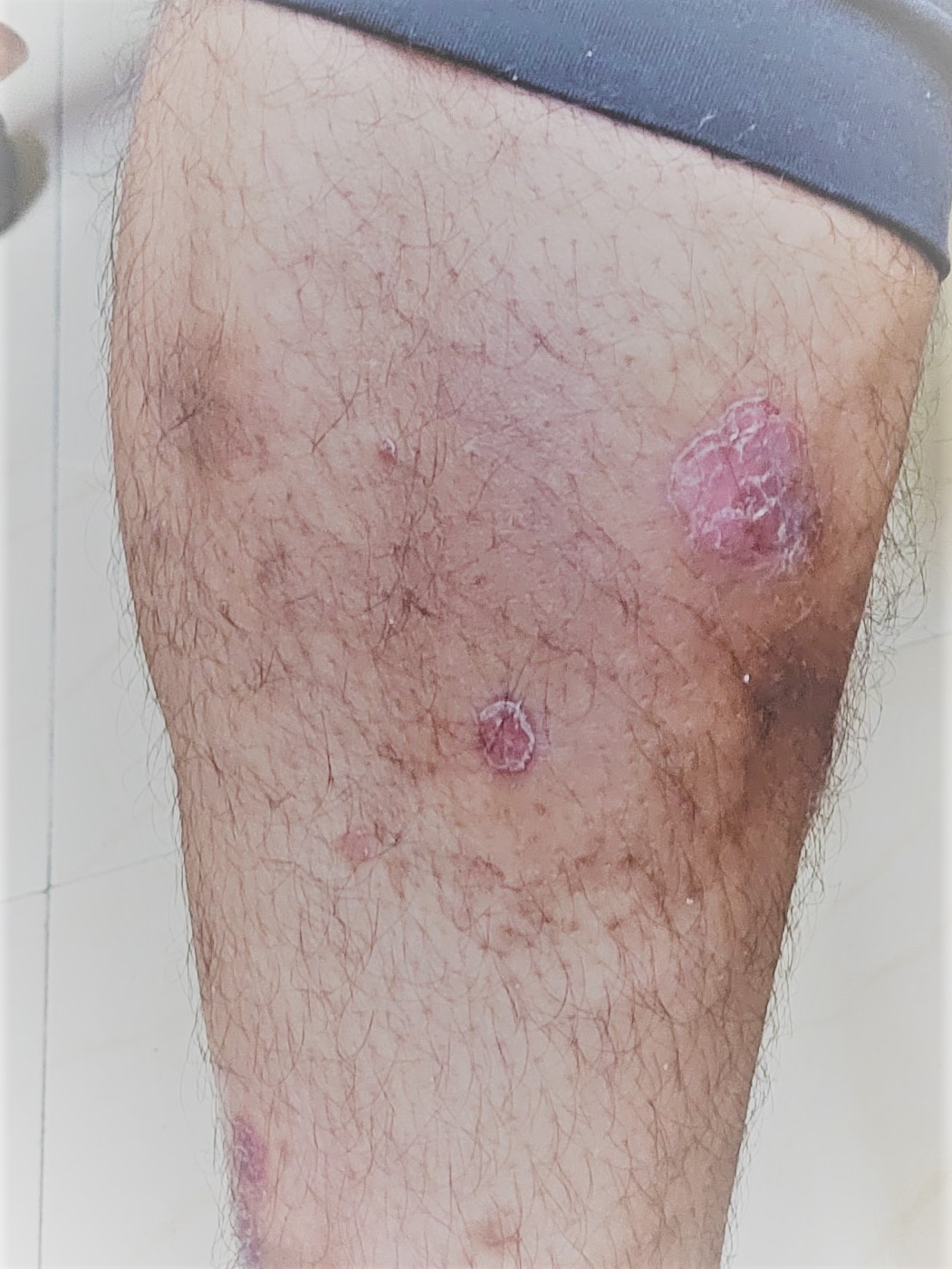
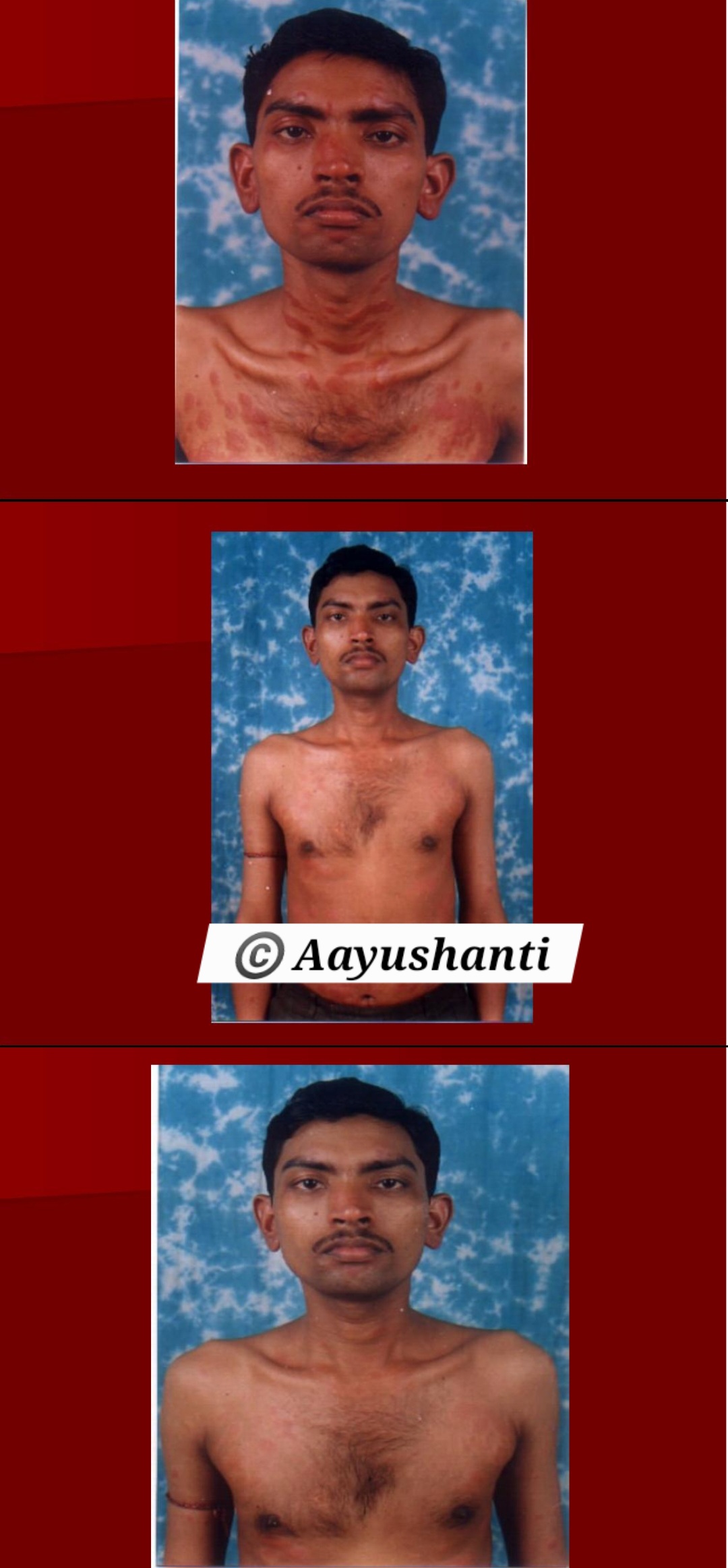
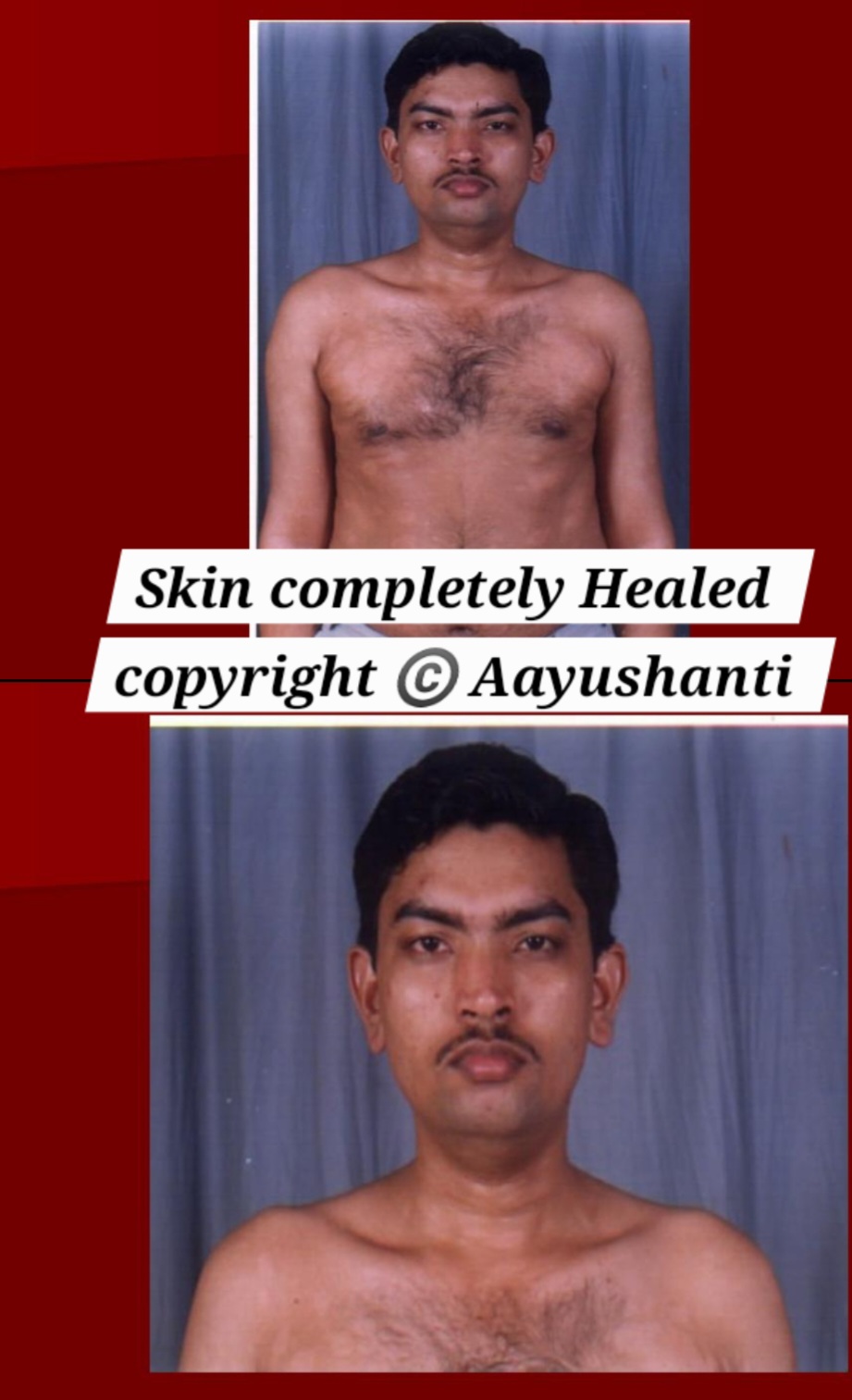
Testimonial of a client named Sunil in Mumbai, India, who had Psoriasis
for 6 years, and got increased creatinine due to taking lots of steroids
and antibiotics for it. His vaman was done three times, and Virechan four times
along with 3 times bloodletting, he was completely healed and has no
patches and the kidneys have rejuvenated, and the creatinine is
normal. It's been 22 years, and he never had a single relapse of Psoriasis. Many with
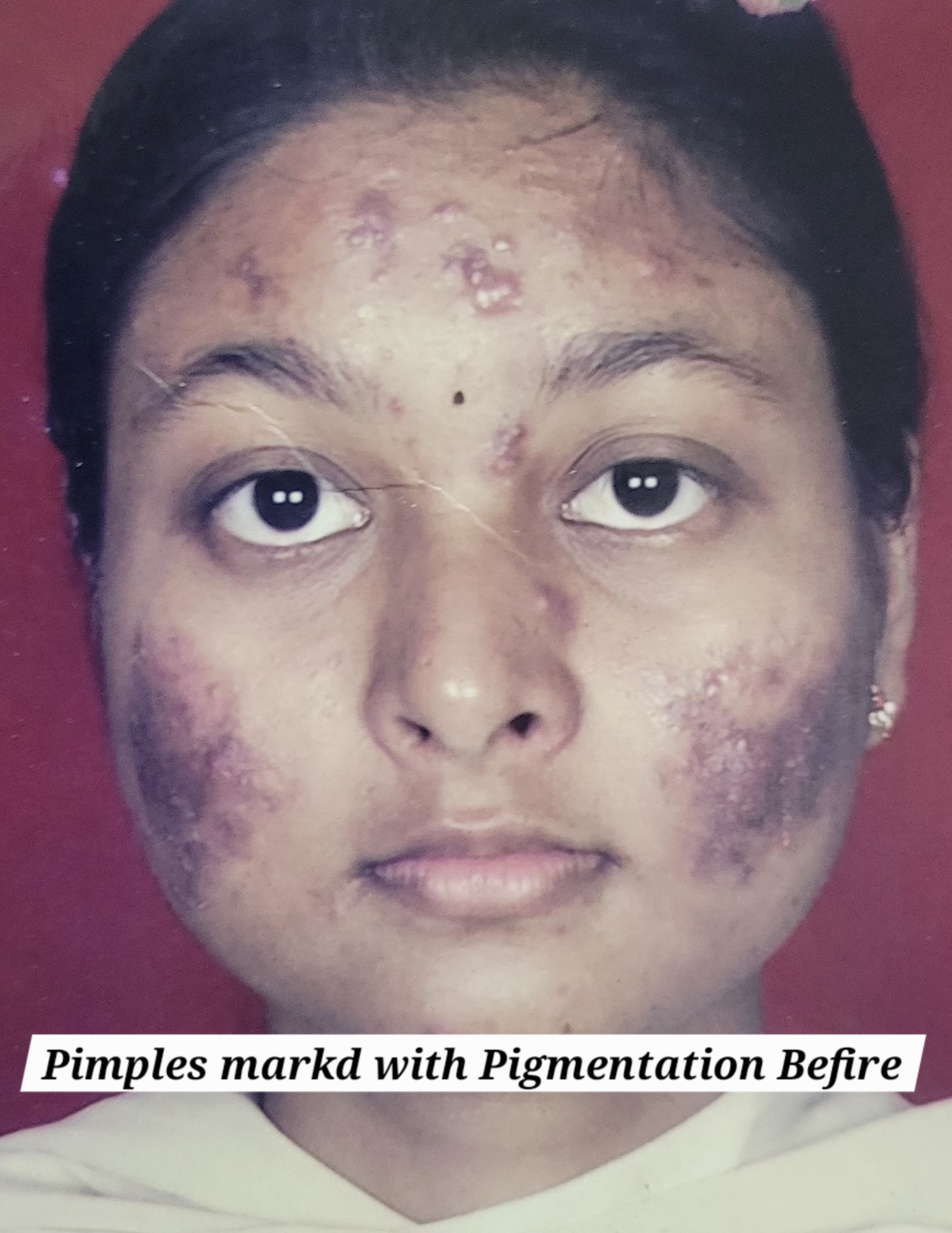
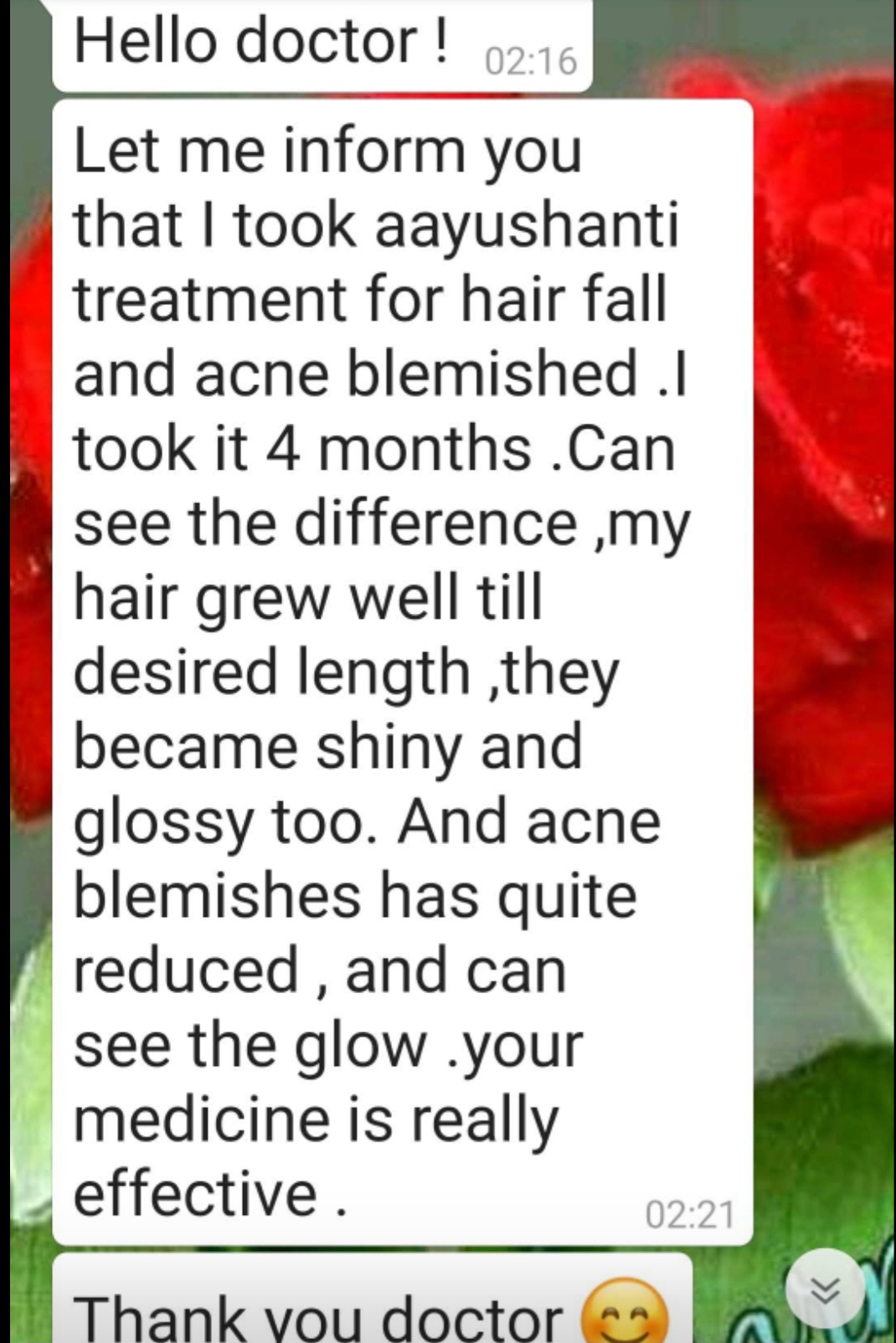
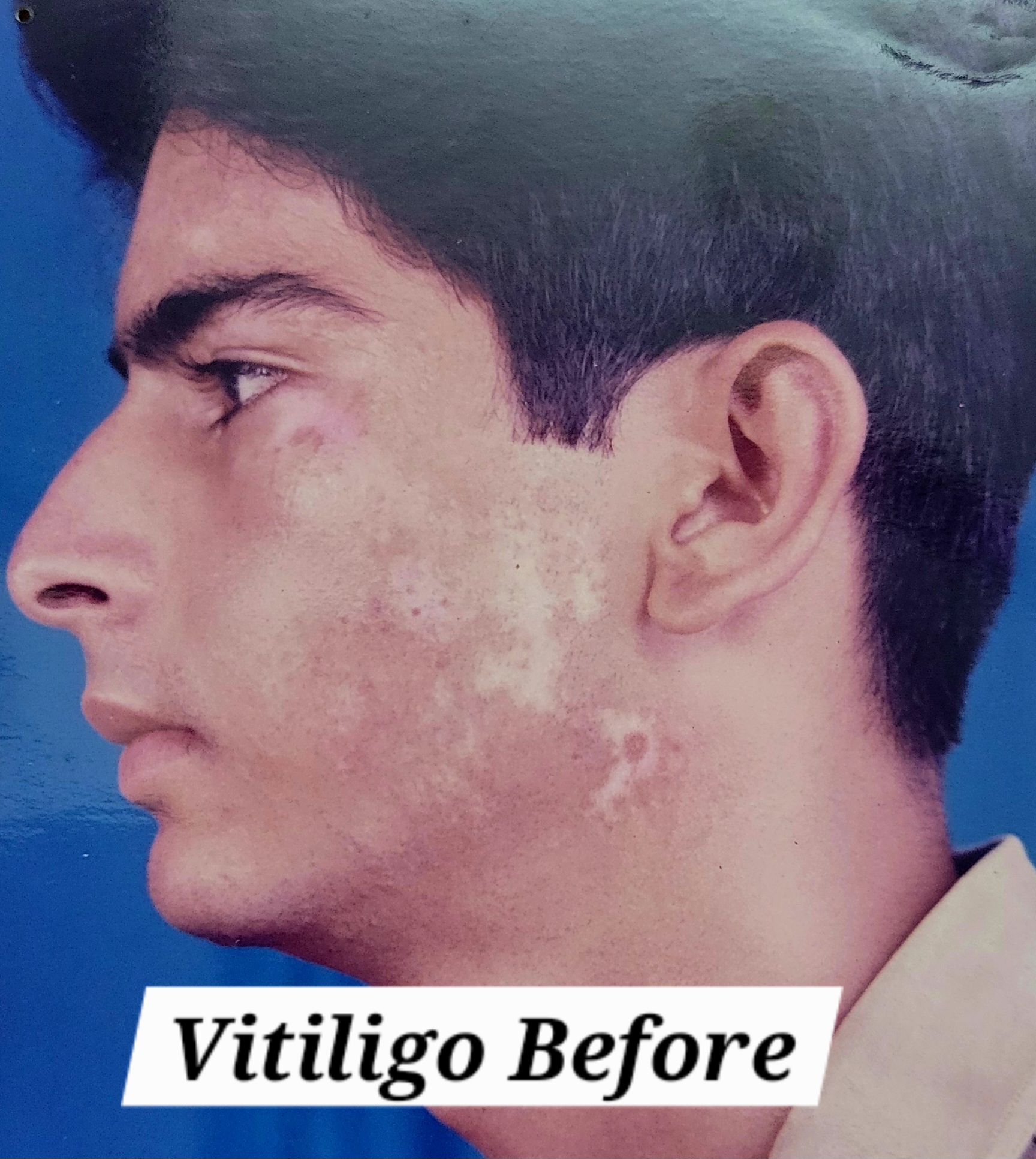
Psoriasis, Eczema, Urticaria, Pimples, Pigmentation, Vitiligo and many more skin conditions
are healed completely with Dr Sumita’s Aayushanti Ayurvedic Supplements
Vamana Therapeutic Emesis
(Upward movement Kapha dosha zone)
Vamana is a method of induced vomiting. In this process, the emetic herbs are given Due to which the Doshas in the body are liquefied and expelled through
the oral route. After proper external and internal oleation (internal administration and external application of Ghee/oils) of the body, and fomentation specially prepared decoction is given to drink, and emesis is induced. The procedure is to be done with utmost care and only under medical supervision. This procedure is indicated in in the Vasant ritu (Spring season) to prevent imbalances due to Kapha dosha. This procedure, done correctly, is quite smooth and painless. Vomiting is a natural reflex, like coughing or sneezing, and the
body does not have to exert itself. It is very effective in lung problems,
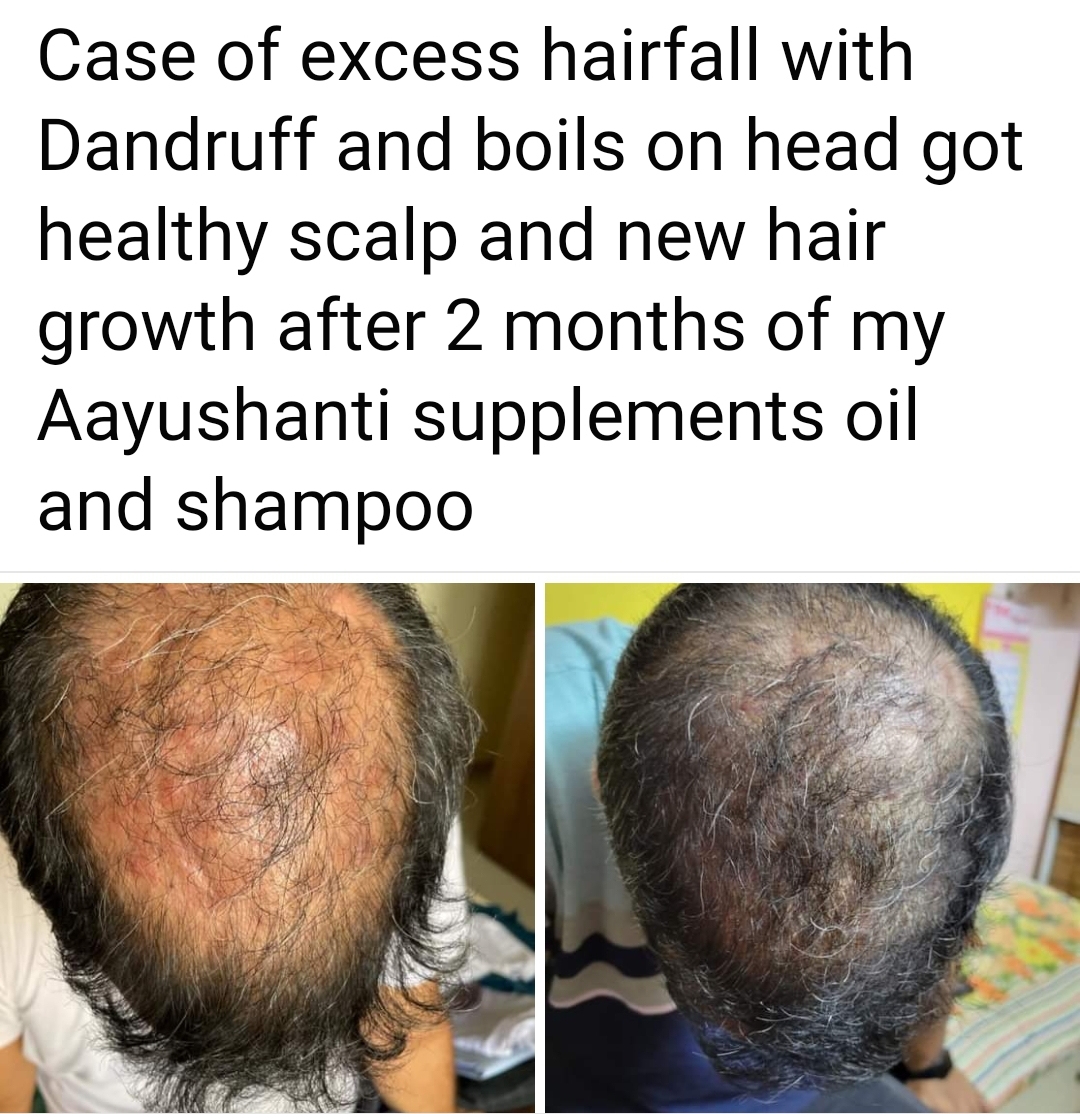
bronchial asthma, all skin diseases like eczema, Psoriasis, acne, boils, pigmentation, dry skin, Dandruff, Rosacea, leukoderma, Pemphigus, urticaria etc
chronic cold, diabetes mellitus, sinusitis, Allergic rhinitis, Hyperacidity,
arteriosclerosis, rheumatic diseases, obesity, hyper-acidity, sinusitis, Infertility etc.
Virechan Therapeutic Purging
(Downward movement Pitta dosha zone)
Virechan is a medically induced purgation that cleanses the small intestine
intestine and associated pitta organs, such as the liver and gall bladder,
that are in the mid zone of the body. It is very effective in skin diseases,
ascites, jaundice, acidity, asthma, gynaecological disorders, colitis, urticaria,
haemorrhoids, chronic headaches, migraine and malabsorption. It is a
controlled process that gathers ama from many pitta areas in the body,
then concentrates it in the small intestines and discharges it through the
rectum, also helping remove waste matter and toxicity from the blood.
Once Aam is reduced, the actual Virechan procedure can commence.
This starts with the intake of medicated Ghee and/or oils for 3-6 days.
The Ghee induces the dhatus (tissues) to release the accumulated toxins and transport them to the GI tract.
The Ghee (clarified butter) is given in increasing amounts so that it can’t be digested completely. The Ghee that is not digested circulates within the body and brings Aam back to the GI-tract.
People have varying experiences during this preparatory period. Because of the relatively large quantity of Ghee you ingest during this period, some people experience pitta-related emotional symptoms, including emotional lability, anger, rage, envy or hot temper.
Normally, Ghee (clarified butter) is taken with hot water on an empty stomach twice daily, in the morning upon waking and before retiring in the evening. You will have an oil massage daily, which promotes the removal of toxins.
Immediately after these massages, you will be given Pindswedan or invited to sit briefly in a “steam box” where vapour gently dilates your body’s channels, further enhancing the detoxification process.
After a one-day break, the actual Virechan purgation process begins. This day is called “Virechan Day.”
On Virechan day, you will be given a special herbal formulation to be taken in the morning on an empty stomach. This preparation will induce numerous bowel movements throughout the day. The AAM (toxins) that have accumulated in your body over many years will be eliminated through your stool. It exists as clear to yellow mucoid material. Please keep a diary during this day and record the number of bowel movements, the amount of AAM excreted, its color and smell.
To avoid dehydration, you are encouraged to drink tea or water during this intense process. Once your bowel movements have ceased, you can consume solid food (Kichadi).
Note: explicit individualised information will be given to you by your Pancha Karma Physician.
Virechan Karma is comparable to a surgical procedure which removed all the unwanted toxin material from your GI tract, and is like a microvascular surgery that removes toxins even from the microvessels of the body. As a result, your GI tract is very sensitive. In addition, your digestive fire has been dramatically reduced, so you will not be able to adequately digest heavy foods for the next several days. Therefore, please comply, to the best of your ability, with the dietary guidelines that you receive following the procedure. These dietary restrictions should be followed for approximately 6 days, depending on your vaidya's discretion. If you follow these simple principles, your digestive and metabolic processes will be more efficient and greatly enhanced.
For some people, the days after your “Virechan Day” can be the most difficult period you endure during the entire Pancha Karma Process. During this period, you meet yourself and see yourself in a different light. This shift will naturally require some adjustment.
The process of Pancha Karma is very deep, arduous and intense. The result is powerfully transforming and life-altering.
Basti Colon Cleansing Therapy (Downward
movement Vata zone)
Basti is an enema of herbal concoction, medicated oil or medicated ghee.
This enema is different from the simple enema. Through this enema the
loosened doshas are flushed out through the intestinal tract. It
is very effective in various musculoskeletal disorders like arthritis,
paraplegia, hemiplegia, paralysis, disorders of the spine, low backache,
constipation, sciatica, rheumatism, and different neurological
ailments. Apana vata blockage is one of the main causes of disease,
when through Basti we can bring vata back to its normal flow in a
downward direction, allowing other sub-functions of vat regain their
correct functioning. The importance of the colon is like a large tree with
flowers, fruits, leaves, branches, bark and trunk. The whole
of the tree relies for its nourishment on its roots. Through the roots, the
tree takes in water and nutrients, which it circulates throughout its
structure and feeds and transforms the nutrients into its trunk, branches,
leaves, flowers and fruits, etc. Therefore, in Ayurveda, the roots of the tree
constitute the colon, the main organ for the sustenance of life. Imagine
the colon to be the root, as it performs the most important part of providing
healthy nutrients to nourish and sustain all the organs and tissues of the
body. Basti has a prime place in the Ayurvedic method of healing and is referred to as the half-healing done in Ayurveda.
Basti karma begins after the process of Virechan has been completed.
This is an extremely important and beneficial part of Pancha Karma as it stabilises the organs.
Bastis are medicated enemas that contain herbal decoctions and medicated oils that nourish the entire body.
Bastis not only eliminate accumulated faecal matter from the entire colon, but also eliminates Aam from the entire body.
Additionally, Bastis are the most powerful method to control Vata, which dries out the channels of the body if excessive. They also stimulate Agni formation.
Herbal remedies contained in bastis go directly to the channels and are more efficiently absorbed than the oral route.
Once you complete the Basti process you will feel stronger because the body is now equipped to derive maximal nourishment from the food you consume.
There are two distinct types of Bastis
Niruha Basti is cleansing. It is given in the morning on an empty stomach and retained from 5 to 45 minutes. Upon evacuation, you can comfortably have your breakfast or lunch
Anuvasan Basti is nourishing and Vata-reducing. It is given after meals. It is best to rest for approximately 30 minutes after its administration, as you are requested to retain it for as long as possible, usually from 45 minutes onward.
These two Bastis will be administered according to a schedule that will be tailor-made for your needs, according to Vaidya’s discretion. Basti therapy is given for a period of 10 to 30 days.
Nasya Cleansing the Head Region (Upward
movement Kapha dosha zone)
Ayurveda describes the nose as the doorway to the brain. Nasya is
medicated oil administered through the nostrils. This
procedure purges and rejuvenates the tissues and organs of the head
and neck. It is very effective in sinusitis, headaches, neuralgia, epilepsy,
common cold, hair fall and eye problems, improves oxygenation and the flow
of prana and has a positive effect on degenerative diseases of the brain.
Many People with Snoring got excellent results with Dr Sumita’s
specially designed Nasya Oils.
Rakta Mokshan Blood Letting Therapy
(Peripheral movement through blood vessels)
Although Rakta Mokshan is the most limited of the five major procedures,
It is a process where a small quantity of impure blood is removed by
means of leeches or a syringe (shira veda, Jaloka-avacharan), etc. The process is basically meant for the purification of the blood and blood-related disorders; it is now well known and accepted all over the world. Leech therapy is used to heal Eczema, Vitiligo, non-healing ulcers, varicose veins, pigment disorders, haematomas, urticaria,
rashes, arthritis, and many other local inflammatory conditions.
Various scientific studies have established the efficacy of this leech therapy..
Once ama has gone from the blood, Rakta metabolism improves, and the
blood can perform its job efficiently. Some of the other preparatory
procedures before a full Panchakarma are:
Snehan
In this process, warm medicated oil is applied over the body, and a massage
is given by an expert Therapist. It is effective for arthritis, paralysis, muscle
tightness, stress, vata imbalance, and low circulation. It helps
to improve circulation, relax muscles and remove toxins.
The person is placed in an herbalised steam box. The steam opens the
pores of the skin and releases entrapped toxins in the skin tissue. It is
effective for pain and joint disorders.
There is dry swedan that is done with ginger, ajwain, sea sand or dry
herbal poultice for severe arthritis, blockages, aam, weight gain, stiffness,
glands, fibromyalgia and localised accumulation of toxins
Shirodhara
Medicated warm oil is poured continuously onto the third eye and
forehead for approximately 30 minutes. It is effective for insomnia, chronic
headache, Tension, Anxiety, low concentration, Schizophrenia, Stress,
Epilepsy, depression, disorders of the brain, mental retardation, paralysis
Hair fall, Grey hair, and hypertension.
There are great results with medicated Butter milk Dhara on the forehead in
cases of Pigmentation on the forehead, dandruff, hair fall and lack of sleep
at aayushanti. But care is to be taken as it may aggravate kapha dosha in
sinus and head
Pindswedana
In this process, boluses of rice are tied up in a bag, and the bag is heated and
applied externally over the body. It is effective in a wasting associated
diseases, facial paralysis, low backache and muscular diseases.
Netra Basti or Netratarpana
In this process, medicated ghee is applied to the eyes. The ghee is
contained by a dam of dough around the eye sockets. It is very effective
in eye strain, myopia and improves vision.
Heart Dhara (Uro Basti)
Uro basti means retained in the chest and heart area. It uses
medicated oils in a container also constructed of black gram dough
around the heart. It reduces pain in the sternum area and strengthens the
heart.
Kati Basti
Kati basti means retained on the lower back. Apply medicated oil in a
container of black gram dough built around the lumbosacral area. This form of external basti particularly benefits muscle spasm and
rigidity of the lower spine and strengthens the bone tissue in that area.
Panchkarma for different vikrutis (Imbalances)
Respiratory - Swas basti, Pindswed, Oil massage and swedan
on chest and back, vaman
Migraine Headaches- Shirodhara Nasya oil massages on the head and
sinus points Vaman Virechan basti.
Acidity- Vaman Virechan (mild) Shirodhara (in case of anxiety,
tension) heart dhara
Osteoarthritis- Pindswed Siddha paste on the affected area Basti,swed
Rheumatoid Arthritis- Dry pind swed Virechan Basti langhan
Spondylosis- Pindswed oil massages spinal dhara Virechan Basti
Siddha and marma.
Infertility- Full Panchkarma
Gout- Pindswed Virechan Basti Raktamokshan
Hypertension, Anger, Anxiety, Frustration- Shirodhara Heart dhara
Virechan Basti.
Skin Disorders- Vaman Virechan Raktamokshan
Post Panchkarma
Herbs are used for complete Rejuvenation also called Kaya Kalpa
means getting a new Birth or new Life. We have seen many clients
getting new hair growth after Panchkarma and Rejuvenation
process, and they start to look at least 5 years young and the skin starts to
glow and radiate,Herbs work faster after Panchkarma since the body is Pure.
Panchakarma for indigestion
Panchkarma aims to cleanse the body of toxins, balance the doshas, and enhance overall digestive health. It helps eliminate accumulated toxins that can disrupt digestion, leading to issues like bloating and gas. By addressing imbalances in the body's vital energies (Vata, Pitta, Kapha), Panchakarma promotes better digestive function. Panchkarma enhances digestive fire (Agni), which is crucial for proper digestion and nutrient absorption. Panchakarma serves as a holistic approach to reset and rejuvenate the digestive system, making it a valuable natural option for those suffering from chronic indigestion
How Pancha Karma is different from other
detoxification programs?
The main difference between Pancha Karma and other modalities of
detoxification is while others tend to cleanse the colon and body in a
drastic, impersonal way that can often be harsh on the inner lining of the
intestines and also demanding on our mind and emotions, in turn, increases
air, ageing and dryness, Pancha Karma works more gently and
penetrates more deeply into the tissues for the removal of ama. Always
under the guidance of an experienced Panchkarma practitioner and Pulse
Reader, with the help of herbs, oils, steam, and emotional nurturing,
toxins soften, liquefy, and dislodge. Through the gentleness of the
therapies and personal support, the overall message heals the body and soul
Receive is one of acceptance, nourishment, and release.
People receiving Pancha Karma often remark how much more
connected they feel with themselves. Their weight and appetite balance
out; they are revitalised and motivated. Bone and muscle pain can
be minimised or disappear. Deep sleep patterns recur. Digestion and
assimilation harmonise. Getting new hair growth, good nails and
a reduction in wrinkles, Balance in cholesterol, triglycerides, and blood sugar,
The thyroid and other hormones are established. This is an ancient 5000-year-old
practice of detoxification, while evolving to suit the times of modern
culture, carries with it the eternal knowledge of life.
We care for you naturally Welcome to Aayushanti Panchakarma VIRECHAN KARMA Congratulations on choosing Virechana Karma! We trust that you will have a deeply transformative experience through this therapeutic journey—one that may feel like a roller coaster at times, but ultimately leaves you feeling lighter, refreshed, and rejuvenated. Please follow your vaidya’s instructions carefully throughout the process. If you have any questions or concerns at any stage, do not hesitate to reach out to us. We are here to support you and are available 24 hours a day. Digestive impurities such as excess mucus and metabolic toxins gradually accumulate in the intestines, liver, blood, veins, and skin. These toxins circulate throughout the body, obstructing normal physiological processes and disturbing internal balance. When this toxic build-up continues over time, it leads to conditions such as hyperacidity, skin disorders (psoriasis, boils, allergies), headaches, ulcers, excessive anger, anxiety, and other heat-related symptoms. These conditions arise primarily due to aggravated Pitta dosha. Virechana Karma, a classical Panchakarma therapy, is especially effective in eliminating excess Pitta and accumulated toxins from the body. It is recommended for a wide range of conditions Indications and Benefits of Virechana Karma Virechana Karma is indicated in all Pitta-dominant disorders and imbalances arising from excess heat and toxin accumulation in the body. It is especially beneficial in the management of: • Skin problems such as acne, psoriasis, allergic dermatitis, itching, sunburn, and oozing skin lesions • Urinary tract disorders and burning micturition • Haemorrhagic conditions affecting the upper part of the body • Anorectal disorders, including piles and fistula-in-ano • Enlargement of the spleen, goitre, tumours, fibroids, and toxicosis • Intestinal worm infestation • Headache, chronic headache, and pleurisy • Burning sensation in the eyes, palms, soles, and throughout the body • Stomatitis and other oral inflammatory conditions • Digestive disorders such as indigestion, loss of appetite, anorexia, constipation, and abdominal diseases • Liver disorders, including jaundice • Respiratory conditions such as asthma • Neurological disorders, including epilepsy • Gynaecological disorders and disorders related to the vitiation of breast milk • Vomiting and seminal disorders • Gout, chronic ulcers, elephantiasis, swelling, and cellulitis Therapeutic Actions Virechana helps to: • Eliminate aggravated Pitta dosha and heat toxins from the body • Improve digestion and metabolic fire (Agni) • Reduce internal burning sensations and acidity • Purify blood and skin tissues • Support liver function and detoxification • Restore appetite and improve nutrient assimilation Overall, Virechana is a highly effective purification therapy for heat- related disorders, promoting systemic cooling, metabolic balance, and long- term disease prevention. Virechan Karma is a therapeutic purgation procedure that eliminates accumulated toxins (ama) and vitiated doshas from the body through controlled evacuation. It is considered one of the most invigorating and energising Panchakarma therapies. Which typically spans 10 to 12 days. The process begins with the removal and mobilisation of ama through a regulated diet, Snehan (internal and external oleation), and a specialised steam therapy known as Swedan. Oil massages combined with Swedan help liquefy and loosen deeply seated toxins and mucus from various tissues and channels of the body. These preparatory procedures are usually administered for 3 to 4 days. Preparation for Panchakarma Before initiating Virechan Karma, proper preparation of the body is essential. To effectively reduce and eliminate ama, strict adherence to dietary guidelines is strongly recommended. After following the prescribed diet for 6 to 8 days, along with Snehan and Swedan therapies, the attending Vaidya assesses whether sufficient reduction of toxins has occurred. Once the body is adequately prepared, Virechan Karma is commenced. The Virechan procedure is conducted in three stages: 1. Purva Karma (pre-procedure preparation) 2. Pradhana Karma (main Virechan procedure) 3. Paschat Karma (post-procedure care and dietary regimen)
DOSE of Ghee Morning Evening
DAY 1 _ tsp. _tsp.
DAY 2 _tsp. _tsp.
DAY 3 _tsp ._tsp.
DAY 4 _tsp ._ tsp.
Questions for the patient:
Please note the following points and answer the questions carefully: • How many bowel movements did you have? • What was the color of the stool? • Was there any mucus? • What was the color of the mucus? • Was there any smell? • How did you feel afterwards?
Consult your doctor before taking any food. Start eating kichadi with ghee, after you start feeling easy and light in the stomach.
Diet after the process: Consult Vaidya before you start to eat At night, you can take a little soft kichadi, with 5 to 6 teaspoons of ghee. DAY 8 Special diet of Mand No ghee. No massage from this day onward DAY 9 Mand Eat this diet only whenever hungry and as Required. DAY 10 Peya DAY 11 Peya DAY 12 Vilepi DAY 13 Vilepi
RECIPES
After cleansing of the system by virechan or vaman a special diet of Mand, Peya and Vilepi is to be taken. The recipes for them are as follows:
MAND
14 parts water 1-part mixture of rice, mung dal, whole mung, vegetables like white pumpkin, Spices: jeera, coriander, pepper, cinnamon, ginger, and asafetida. 3 tsps. Ghee Salt as per taste.
Heat the cooker with the ghee in it. Add jeera, coriander, pepper, cinnamon, and ginger. Then add the rice mixture, along with asafetida, salt, water, and stir well. Cover the cooker and let it cook. Allow for 4 to 5 whistles. Open the cooker after it gets cool. Remove the mixture and churn it well in a mixer. Reheat the mand and serve.
PEYA
6 parts water 1-part mixture of rice, mung dal, whole mung, vegetables like white pumpkin, tendli, Spices: jeera, coriander, pepper, cinnamon, ginger, asafetida and green garlic may be added for vaghar. 3 tsps. Ghee. Salt for taste.
This is made in the same way as mand, but is a thin form of kichadi, serve warm after opening the cooker. (Do not churn in the mixer)
VILEPI
4 parts water and 1-part mixture of rice, mung dal, whole mung, white pumpkin, tendili, carrots and palak. Spices: jeera, coriander pepper, cinnamon, ginger, asafetida. Whole garam masala may be added for veghar. 3 tsps. Ghee and salt for taste. This is made in the same way as peya and is a thicker kichadi.
Please note that you can alter the proportion of vegetables and rice as per your taste. The proportion of water should be as per instructions.
Precautions to be taken • You must watch your stools for the color, consistency, frequency and the number of times you go to the toilet. • You are recommended not to go out of the house, especially in the sun/heat • All types of alcoholic, acidic and aerated drinks are prohibited. • Do not take any food. Take tea or water when you require something to drink. • Do not sleep, but take rest as much as possible. • There may be 20 to 30 motions during the process. Do not worry, as this is a part of the process of removing toxins from the body. In case you observe continued weakness, consult your doctor immediately. • In case you experience excessive bowel movements, take jeera (cumin seed) powder • Along with 1 tsp of sugar for taste; also, dry ginger ¼ tsp. in 500-ml water to be prepared by boiling all this together. Allow it to cool. This is to be taken at regular intervals until bowel movements stop. • If there are none within 3 hours of taking virechan pills, put a hot water bag on the abdomen and talk to your doctor. • If you have cramps and pain, use a hot water bag on your abdomen. • Please consult your doctor before starting any food.
Commonly observed symptoms: • You may experience some uneasiness, stomach ache or vomiting sensations temporarily. These are common discomforts, which you should not worry about. • After taking these tablets, you should not be concerned if you have to go to the toilet 20 to 30 times. It is just a process of cleansing the system, as the impurities are being eliminated from the body. In fact, you might start experiencing lightness in the body. • If you feel abnormally weak, the doctor should be contacted immediately. • Compulsory Diet. For the first six days, after the virechan ends, you must be on a special diet Mand, Peya and Vilepi. • Emotional ups and downs may be noticed, as many emotional blocks are released. Mild negativity, fear, anger, and depression may arise.
Email- drsumitap@yahoo.com
WhatsApp or call Vaidya Sumita at 9820333240
www.aayushanti.com
----------------------- FOOD LIFESTYLES Avoid Recommended Avoid Recommended
Fruit, milk any type Mung, Mung dal, Pind swed, sunbathing Normal life positive Of roti, poha, (flat- rice, khichari,tur- travel, thinking, execu- thinking. Rice) coffee, spicy, dal, methi, spinach, tive talking, sleep during Deep fried, leftover, mung, vegetable day, anger, suppression & heavy foods. Onion, garlic, turai, of natural urges like Puffed rice, white urine, stool etc. sexual Pumpkin relationship
We care for you naturally Welcome to Aayushanti Panchakarma BASTI KARMA
CONGRATULATIONS on choosing to do BASTI Karma!
We trust that you will enjoy the process of going through this rollercoaster ride and coming out fresh and rejuvenated. Follow Vaida’s instructions very carefully throughout the process, and do not hesitate to call us if you have any questions. We are here to serve you and are available for you
Basti Or a medicated enema is the complete process for vata disorders. It is also given for balancing the system after completion of virechan and vaman karma, when vata increases. Vata is the main etiological factor in the manifestation of disease. It is responsible for the retention and elimination of faeces, urine, bile and other excreta. The seat of vata is in the colon and the bones.
Basti therapy is, perhaps, the most powerful of the five main procedures of Panchakarma.
It is effective due to colon’s vital link with all other organs and tissues. Basti involves the introduction of medicated liquids into the colon through the rectum. The colon is the main organ for the absorption of nutrients. It is the main seat of vata, the prime mover of all functions. Basti balances vata, all physiological functions improve, including metabolism and digestion. As the colon’s absorption capacity strengthens, nutrient absorption and digestion are dramatically improved, and therefore, the patient’s energy level rises.
Various types of Bastis are given as per the person’s requirement.
Thus, when Basti is used in conjunction with other pre- Panchakarma, it cleanses much more than just the colon. It helps remove toxins from the entire body. The key function of basti karma is to balance vata in the body.
The disorders arising from abnormal vata, which can be addressed by Basti, are chronic constipation, Infertility, Bloating, Gases, weight gain, Dryness, Fatigue, low back pain, sciatica, rheumatism, gout, arthritis, neuromuscular disorders such as paraplegia, hemiplegia, poliomyelitis, Alzheimer’s disease, Parkinson’s disease, multiple sclerosis, and dystrophy and atrophy of the nerves and muscles. Basti also alleviates constipation, chronic fever, the common cold, sexual disorders, kidney stones, chest pain and hyperacidity.
MATRA BASTI
This can be given at any time of the day. Matra basti is particularly useful to pacify vata aggravation resulting from wrong diet, stress, exercise or travel. It is an oil-based basti, very nourishing in character and vata-decreasing in nature. It can be administered in small amounts, usually 30ml or 1 ½ ounces, depending on the person. This basti can be continued for one month and up to three months.
Matra Basti helps to remove weakness in the body, which increases vitality and strength. It also helps to nourish tissues, reduce vata, and is good for all degenerative diseases.
NIRUH BASTI
Niruh cleanses toxins from the dhatus and removes naturally accumulated waste matter from the colon, as well as toxins from the entire body. The efficacy of this process is based on the effect of the herbs. The liquid is retained in the colon for about 48 minutes. During this time, some of the ingredients are absorbed into the system, and their purifying influence moves throughout the body. The rest gets expelled along with faecal matter and toxins.
Niruh is given on an empty stomach in a series over a period of several days.
YAAPAN BASTI
Yaapan Basti is given for arthritis. It can be administered any time, preferably within an hour after meals. With yaapan, a person’s BAL (strength) and Shukra (reproductive strength) increase. It also increases longevity, as it rejuvenates the body. Depending on the pulse of the patient, i.e. the specific condition, virechan is not necessary before yaapan basti, and can be given directly. If necessary, only a pind swed may be given.
Yaapan can be done up to 30 times. If a regular basti karma or Panchakarma cannot take place, then about 30 yaapan basti can be done. The type of oil is based on the patient and disease. Swas basti contains 400ml, while others are 500 mls.
ANUVASAN BASTI
The key function of anuvasan basti is to balance vata in the body. It is an important process for the rejuvenation of body cells. It is given after meals in the evening, and is alternated with niruh basti. Anuvasan basti is helpful to patients with vata-related diseases.
Nirooha, yaapan and anuvasan basti are beneficial in various diseases:
I. Paralysis, polio, Bal’s palsy; II. General debility, chronic fatigue syndrome, muscular weakness and atrophy; III. Conditions of the reproductive system for men and women, infertility, menstrual problems, etc. IV. Vital- related organs, i.e., liver, spleen, kidney, heart problems, including palpitations and anginal pain. V. Nervous system-related conditions, i.e., nervousness, anxiety, epilepsy, and trauma. It helps to focus the mind and improves the power of concentration. VI. Digestive disorders, disturbed metabolism, obesity; VII. Asthma.
POINTS TO NOTE ABOUT BASTI
Basti is given as per the person’s requirement. Each Basti has special instructions.
|Type of Basti |Instructions |Times Basti given | |NIRUH |On an empty stomach |9 to 12 times, and in | |Cleanses the stomach, |given in the morning |some cases 21 | |Removes toxins- ama | | | | | | | | | | | |ANUVASAN |After food in the |Often niruh & anuvasan | |Balance the vata, |afternoon or evening, |are given on alternate | |Rejuvenates the body, |as needed |days, i.e., 1st | |Supports longevity. | |anuvasan, then both | | | |niruh & anuvasan, then | | | |niruh. | | | | | | | | | |YAAPAN |Within 1 hour after |8 to 15 times, and even | |Decreases vata, |eating |up to 30 times | |Increases reproductive| | | |strength & can be used| | | |every week to maintain| | | |bodily systems. | | | |MATRA |Preferably at night |1 month to 3 months | |Given for sterility |Avoid | | |Problems; strengthens |Sexual relations | | |Bodily tissues | | |
Points to notice:
Please note the following points and answer the questions carefully after the DATE BASTI NAME TIME POINTS TO BE OBSERVED Basti in/ Basti out Color, Quantity, Smell, Any Mucus, Feeling
Diet and Lifestyle DURING ANUVASAN & NIROOHA
Light, Warm Meals: Consume freshly cooked, warm foods.
Khichdi: A traditional dish made of rice and moong dal (lentils) is a staple, often the only food recommended for certain phases due to its ease of digestion.
Soups: Light soups, such as lentil (moong dal) soup or vegetable soup, are highly recommended for nourishment and hydration.
Boiled Vegetables: Easily digestible, boiled vegetables are a key component.
Cow Ghee (Clarified Butter): Used extensively in meals for internal oleation, helping release toxins and providing lubrication.
Warm Water: Sipping lukewarm water throughout the day is crucial for hydration and detoxification.
|FOOD |LIFESTYLE | |AVOID |RECOMMENDED |AVOID |RECOMMENDED | |Fruit, peas, |Whole Mung, Mung dal,|Alcohol |Positive thinking| |papad, |ghee, warm water, |Sunbathing, |Rest | |Val, chana, deep |Milk, rice, kichari, |Travel, Excessive | | |Fried, Roti, |tur dal, methi, |Talking Sleep during| | |Bhindi, |juices, |the day, Late | | |Egg plant, Aerated|spinach, vegetable |nights, Anger, | | | |Soup, Tendli, turai, |Suppression of urges| | |Drinks Coffee, |squashes, zucchini, |Like urine & gas, | | |alcoholic and |Galka (TInda), onion,|etc., | | |heavy |garlic, fried rice, |Sexual relations, | | |foods, Poha (flat |and rava upma. |Smoking | | |rice), raw foods, |chickoo, papaya, | | | |Alcohol, Tobacco, |grapes, | | | |processed food, |Sweet lime | | | |cold foods, | | | | |heavy-to-digest | | | | |food | | | |
Precautions
During the course of the basti karma, the following measures are to be taken:
• Avoid direct sunlight. • Rest as much as possible. • Understand the extent and number of bowel movements expected. If you get abnormally weak, contact us immediately. • Niruh is given on an empty stomach. Anuvasan is to be given within 1 hour of eating meals. • For Matra, eat 20 minutes before Basti. Yappan is to be given within 1 hour of eating meals. • Understand all the instructions given. Relax and follow with a calm mind.
Start eating only after you feel easy and light in the stomach.
Post Basti karma or Paschat Karma.
This is also a part of the Panchkarma process. After administering basti, when you come in for a checkup, the Vaidya will examine your pulse. It is essential that you carefully follow instructions after the basti karma, including the diet.
Diet after Basti
Day Diet
• Begin eating with 1 cup of warm milk in the morning or at night.
• You may also have 1 sweet, juicy fruit like a pear, peach or plum
• You can also have kheer on the following day, after the basti
• (Note: only on the Vaidya’s recommendation).
Email- drsumitap@yahoo.com
WhatsApp or call Dr Sumita at 9820333240
www.aayushanti.com
विरेचन कर्म
विरेचन कर्म चुनने के लिए बधाई!
हमें भरोसा है कि आप इस रोलर कोस्टर राइड का मज़ा लेंगे और तरोताज़ा और नई ऊर्जा के साथ बाहर आएंगे।
इलाज के दौरान अपने डॉक्टर के निर्देशों का बहुत ध्यान से पालन करें और अगर आपके कोई सवाल हैं तो हमें कॉल करने में बिल्कुल भी संकोच न करें। हम आपकी सेवा के लिए यहाँ हैं, और दिन के चौबीसों घंटे उपलब्ध हैं।
विरेचन कर्म कई तरह की बीमारियों और विकारों के लिए सुझाया जाता है, जैसे:
पाचन संबंधी अशुद्धियाँ जैसे बलगम और मेटाबॉलिक टॉक्सिन आंतों, लिवर, खून, नसों और त्वचा में जमा हो जाते हैं – वे पूरे शरीर में घूमते हैं और काम में रुकावट डालते हैं।
इन अशुद्धियों के लगातार जमा होने से हाइपरएसिडिटी, सोरायसिस, फोड़े, एलर्जी, सिरदर्द, अल्सर, गुस्सा, चिंता जैसी बीमारियाँ और विकार होते हैं। ये गर्मी या पित्त से जुड़ी समस्याएँ हैं जो असंतुलित हो गया है।
विरेचन गर्मी से जुड़ी सभी समस्याओं, त्वचा रोगों, मुंहासे; सोरायसिस, त्वचा की एलर्जी, खुजली, सनबर्न, त्वचा से पस निकलने में फायदेमंद है। यह फाइब्रॉइड्स और पुराने सिरदर्द के मामलों में भी दिया जाता है। विरेचन पाचन, मेटाबॉलिज्म को बेहतर बनाने में मदद करता है, शरीर में जलन को कम करता है, जिसमें आंखें, हथेलियां, पैर, बवासीर और एसिडिटी शामिल हैं। यह भूख न लगना, एनोरेक्सिया, लिवर की बीमारियों, मिर्गी, सूजन और सेल्युलाइटिस में भी मदद करता है।
सभी पित्त रोग, त्वचा रोग, मूत्र संबंधी विकार, शरीर के ऊपरी हिस्से में रक्तस्राव, गुदा में फिस्टुला, बवासीर, प्लीहा का बढ़ना, ट्यूमर, घेंघा, विषाक्तता, पेट के कीड़े, सिरदर्द, प्लूरिसी, आंखों में जलन, मुंह के छाले, अपच, भूख न लगना, पीलिया, अस्थमा, मिर्गी, स्त्री रोग संबंधी विकार, उल्टी, वीर्य संबंधी विकार, गठिया, पेट के रोग, कब्ज, पुराना अल्सर, हाथीपांव, स्तन के दूध में खराबी
पंचकर्म के लिए शरीर को तैयार करना। शरीर में आम को कम करने/हटाने के लिए विरेचन कर्म शुरू करने से पहले, यह सलाह दी जाती है कि डाइट से जुड़े निर्देशों का पालन किया जाए। 6 से 8 दिनों तक बताई गई डाइट लेने और स्नेहन और स्वेदन उपचार के बाद, यदि डॉक्टर को लगता है कि शरीर में आम कम हो गया है, तो विरेचन कर्म शुरू किया जा सकता है। उपचार के तीन भाग होते हैं, अर्थात्,प्री-ट्रीटमेंट, मुख्य उपचार और पोस्ट-ट्रीटमेंट।
घी की खुराक
सुबह शाम
दिन 1 _ चम्मच _चम्मच
दिन 2 _चम्मच _चम्मच
दिन 3 _चम्मच ._चम्मच
दिन 4 _चम्मच ._ चम्मच
विरेचन कर्म के दौरान आहार और जीवनशैली
हल्का, गर्म भोजन: ताज़ा पका हुआ, गर्म खाना खाएं। मूंग, मूंग दाल, घी, गर्म पानी,दूध, चावल, किचरी,अरहर दाल, मेथी,जूस,पालक, सब्जी सूप, तेंडली, तुरई, स्क्वैश, तोरी, गलका (टिंडा), प्याज, लहसुन, चावल और रवा उपमा। चीकू, पपीता, अंगूर,मीठा नीबू लेना, सकारात्मक सोच,आराम करें
खिचड़ी: चावल और मूंग दाल से बनी एक पारंपरिक डिश मुख्य भोजन है, जिसे पचाने में आसानी के कारण अक्सर कुछ चरणों के लिए एकमात्र भोजन के रूप में सुझाया जाता है।
सूप: हल्के सूप, जैसे मूंग दाल का सूप या सब्जियों का सूप, पोषण और हाइड्रेशन के लिए बहुत ज़्यादा सुझाए जाते हैं।
उबली हुई सब्जियां: आसानी से पचने वाली, उबली हुई सब्जियां एक मुख्य हिस्सा हैं।
गाय का घी: आंतरिक स्नेहन के लिए भोजन में बड़े पैमाने पर इस्तेमाल किया जाता है, जो विषाक्त पदार्थों को बाहर निकालने और चिकनाई प्रदान करने में मदद करता है।
गर्म पानी: हाइड्रेशन और डिटॉक्सिफिकेशन के लिए पूरे दिन गुनगुना पानी पीना बहुत ज़रूरी है। सामान्य जीवन सकारात्मक
क्या टालना है
फल, दूध ,मटर, पापड़,वाल, चना, डीप फ्राइड, मसालेदार,तले हुए, बचे हुए और भारी भोजन। किसी भी प्रकारकी रोटी, भिंडी,बैंगन, एरेटेड ड्रिंक्स कॉफी,शराब और भारी खाना, पोहा (चपटे चावल), कच्चा खाना, शराब, तंबाकू, प्रोसेस्ड खाना, ठंडा खाना, पचाने में भारी खाना टालना,शराब,धूप सेंकना,ज़्यादा यात्रा करना,दिन में सोना, देर रात तक जागना, गुस्सा,पेशाब और गैस जैसी इच्छाओं को रोकना,यौन संबंध,धूम्रपान, पिंड स्वेद, धूप सेंकना, यात्रा,बहुत अधिक सोचना, अधिक बातचीत, दिन में सोना,
मरीज के लिए सवाल
कृपया नीचे दिए गए पॉइंट्स पर ध्यान दें और सवालों के जवाब ध्यान से दें:
• आपको कितनी बार शौच हुआ?
• मल का रंग कैसा था?
• क्या उसमें बलगम था?
• बलगम का रंग कैसा था?
• क्या कोई बदबू थी?
• उसके बाद आपको कैसा महसूस हुआ?
कोई भी खाना खाने से पहले अपने डॉक्टर से सलाह लें। जब आपको पेट में हल्का और आराम महसूस होने लगे, तो घी के साथ खिचड़ी खाना शुरू करें।
इलाज के बाद का डाइट: खाना शुरू करने से पहले अपने डॉक्टर से सलाह लें।
रात में आप थोड़ा नरम खिचड़ी, 5 से 6 चम्मच घी के साथ ले सकते हैं।
रेसिपी
विरेचन या वमन से शरीर की सफाई के बाद मंड, पेया और विलेपी का खास खाना खाना चाहिए। इनकी रेसिपी इस प्रकार हैं:
मंड
14 भाग पानी
1 भाग चावल, मूंग दाल, साबुत मूंग, सफेद कद्दू जैसी सब्जियों का मिश्रण, मसाले: जीरा, धनिया, काली मिर्च, दालचीनी, अदरक और हींग।
3 चम्मच घी
नमक स्वादानुसार।
कुकर में घी डालकर गरम करें। जीरा, धनिया, काली मिर्च, दालचीनी और अदरक डालें। फिर चावल का मिश्रण, हींग, नमक, पानी डालकर अच्छी तरह मिलाएँ। कुकर को ढककर पकने दें। 4 से 5 सीटी आने दें। ठंडा होने के बाद कुकर खोलें। मिश्रण निकालकर मिक्सर में अच्छी तरह फेंट लें। मंड को दोबारा गरम करके परोसें।
पेया
6 भाग पानी
1 भाग चावल, मूंग दाल, साबुत मूंग, सफेद कद्दू, टिंडली जैसी सब्जियों का मिश्रण, मसाले: जीरा, धनिया, काली मिर्च, दालचीनी, अदरक, हींग और तड़के के लिए हरा लहसुन भी डाल सकते हैं।
3 चम्मच घी।
नमक स्वादानुसार।
यह मंड की तरह ही बनाया जाता है, लेकिन यह खिचड़ी का पतला रूप है, कुकर खोलने के बाद गरम परोसें। (मिक्सर में न फेंटें)
विलेपी
4 भाग पानी और 1 भाग चावल, मूंग दाल, साबुत मूंग, सफेद कद्दू, टिंडली, गाजर और पालक का मिश्रण।
मसाले: जीरा, धनिया, काली मिर्च, दालचीनी, अदरक, हींग। तड़के के लिए साबुत गरम मसाला भी डाल सकते हैं।
3 चम्मच घी और स्वाद के अनुसार नमक।
यह पेया की तरह ही बनाया जाता है और यह थोड़ी गाढ़ी खिचड़ी होती है।
कृपया ध्यान दें कि आप अपनी पसंद के अनुसार सब्जियों और चावल का अनुपात बदल सकते हैं। पानी का अनुपात निर्देशों के अनुसार होना चाहिए।
इस इलाज के दौरान बरती जाने वाली सावधानियां:
• आपको अपने मल का रंग, बनावट, कितनी बार और कितनी बार आप टॉयलेट जाते हैं, इस पर नज़र रखनी चाहिए।
• आपको घर से बाहर न निकलने की सलाह दी जाती है, खासकर धूप/गर्मी में।
• सभी प्रकार के शराबी, एसिडिक और एरेटेड ड्रिंक्स मना हैं।
• कोई भी खाना न खाएं। जब आपको कुछ पीने की ज़रूरत हो तो चाय या पानी पिएं।
• सोएं नहीं, लेकिन जितना हो सके आराम करें।
• इलाज के दौरान 20 से 30 बार मोशन हो सकते हैं। चिंता न करें, क्योंकि यह शरीर से टॉक्सिन्स निकालने की प्रक्रिया का एक हिस्सा है। अगर आपको लगातार कमजोरी महसूस हो तो तुरंत अपने डॉक्टर से सलाह लें।
• अगर आपको बहुत ज़्यादा पेट खराब हो, तो जीरा पाउडर लें।
• स्वाद के लिए 1 चम्मच चीनी के साथ; साथ ही ¼ चम्मच सूखी अदरक 500 मिलीलीटर पानी में डालकर उबाल लें। इसे ठंडा होने दें। इसे तब तक नियमित अंतराल पर लेना है जब तक पेट खराब होना बंद न हो जाए।
• अगर विरेचन की गोलियां लेने के 3 घंटे के अंदर मोशन नहीं होता है, तो पेट पर गर्म पानी की थैली रखें और अपने डॉक्टर से बात करें।
• अगर आपको ऐंठन और दर्द है, तो पेट पर गर्म पानी की थैली का इस्तेमाल करें।
• कोई भी खाना शुरू करने से पहले कृपया अपने डॉक्टर से सलाह लें।
आमतौर पर देखे जाने वाले लक्षण:
• आपको कुछ समय के लिए थोड़ी बेचैनी, पेट दर्द या उल्टी जैसा महसूस हो सकता है। ये आम दिक्कतें हैं, जिनके बारे में आपको चिंता नहीं करनी चाहिए।
• इन टैबलेट्स को लेने के बाद, अगर आपको 20 से 30 बार टॉयलेट जाना पड़े तो परेशान न हों। यह सिस्टम को साफ करने की एक प्रक्रिया है, क्योंकि शरीर से गंदगी बाहर निकल रही है। असल में, आपको शरीर में हल्कापन महसूस होने लगेगा।
• अगर आपको असामान्य रूप से कमजोरी महसूस हो, तो तुरंत डॉक्टर से संपर्क करें।
• ज़रूरी डाइट। इलाज खत्म होने के बाद पहले छह दिनों तक, आपको एक खास डाइट लेनी होगी, जिसमें मंड, पेय और विलेपी शामिल हैं।
• भावनात्मक उतार-चढ़ाव देखे जा सकते हैं, क्योंकि कई भावनात्मक रुकावटें दूर होती हैं। हल्की नकारात्मकता, डर, गुस्सा और डिप्रेशन हो सकता है।
ईमेल- drsumitap@yahoo.com
डॉ. सुमिता को WhatsApp या कॉल करें 9820333240
www.aayushanti.com
Ayurvedic Remedies
Ayurvedic Home Remedies
Ayurveda suggests that kitchen remedies can be remarkably effective in addressing various health issues
Arthritis
This condition is characterised by pain in the affected joints, along with inflammation of muscles, ligaments, and cartilage. As a result, joint movement can become painful, particularly in cold, windy, and damp conditions. It is crucial to manage arthritis early on; if left untreated, it can lead to immobility, severe pain, stiffness, and even permanent deformities in the joints.
causes
Arthritis is primarily caused by an aggravation of the Vata dosha (air) and the accumulation of Ama, or toxins, in the body. These toxins tend to settle in vulnerable areas, particularly the joints, leading to a condition referred to as Amavata, or rheumatoid arthritis. A Person may experience symptoms such as weak digestion, constipation, fever, stiffness and a lack of physical activity
Home Remedies for Arthritis
To effectively address the accumulation of Ama and reduce Vata in the body, it is essential to enhance digestion. A one-day fast can significantly aid in this process. Incorporating half a teaspoon of turmeric powder mixed with warm water can alleviate joint inflammation, while consuming a raw clove of garlic daily—either fried in ghee or castor oil—offers substantial health benefits. The herb Guggulu is known for its effectiveness in treating joint issues and arthritis, and warm ginger water can further assist in digesting Ama. Additionally, applying a warm poultice made from dry ginger and ajwain powder to affected joints can provide relief. It is advisable to avoid hot, spicy, and fried foods, as well as certain vegetables like cabbage and broccoli, along with excessive consumption of tea, coffee, alcohol, yogurt sour and fermented food. Furthermore, steering clear of antibiotics, painkillers, and nicotine, along with managing stress and ensuring proper sleep, avoiding sleeping during the day and staying up late at night is crucial for overall well-being. For joint health, supplements such as AYUSANDHI, ARTHRONEW, CALCIMRIT, and Aayushanti Vitamin D3 can be beneficial in reducing pain and inflammation while strengthening bones and joints. In Ayurveda
Dandruff
According to the great saints of Ayurveda, skin has a thin, waxy covering
to protect the surface of the skin from drying up. Ayurveda
recommends the application of a thin coat of oil to the skin to preserve this
waxy layer. When the skin gets dry, it results in the breaking of the skin. This
leads to complications like chapped skin, dandruff, dry eczema and hairfall
Applying the oil on the scalp and all over the body twice a week will keep the
skin soft and supple. Avoid frequent usage of chemical
shampoos, which tend to remove the oil from skin and hair, leaving them dry and creating dandruff.
A mixture of Henna Powder, Yogurt, boiled water of Black tea and egg in equal quantity
are mixed to make a fine paste, and this paste is applied on
the scalp 10-15 minutes before bath. If there is itching of the Scalp or dandruff
, Neem oil, 1 part, mixed with coconut oil, 5 parts, can be applied once a
week, overnight on the scalp. Avoid vat-aggravating foods like raw
salads, fermented foods and heavy beans. Give a hot towel steam to the
scalp and hair after oil massage to the scalp.
For scalp health, supplements such as AYUGLO, REJUDERM AND SUPITTA help
to improve and protect the scalp health and regenerate new and healthy scalp skin, and
helps to reduce hair fall
Menstrual Difficulties
For women experiencing delayed menarche, irregular or painful menstruation, scanty menstrual flow, or difficulties with conception and lactation, homemade remedies using black gram and linseed (known as Alsi in Hindi) can alleviate menstrual pain and enhance flow. Black gram is particularly beneficial for strengthening the womb. A mixture of equal parts jaggery, poppy seeds, Pippali, dry ginger, and almonds can be ground into a fine powder, which is then combined with ghee and mixed into milk. Consuming this blend twice daily for a week before menstruation may help ease menstrual challenges. Additionally, fenugreek is known to be effective. For those experiencing excessive menstrual flow, a soup made from coriander, cumin, and fennel seeds can serve as a remedy. To relieve menstrual cramps, heating castor or olive oil and applying it to the lower abdomen, pelvis, and thighs can provide comfort; placing a cotton ball soaked in the oil on the head and bathing in warm water after 30 minutes can enhance the effect. It is advisable to avoid heavy beans and fermented or sour foods. For overall reproductive health, long-term use of supplements like CYCLOMRIT, AMRITPRABHA, APAN, FEMNIKA, and SHWETNA taken twice daily can help balance hormones, regulate menstrual cycles, improve fertility and ovulation, and strengthen the uterus and reproductive system.
Tonsillitis
Tonsillitis is characterised by localised swelling near the base of the tongue, resembling cotton seed fruit. When inflamed, the tonsils become covered in mucus, causing pain and tenderness. Symptoms include edema, increased size, sharp pain, a burning sensation, throat irritation, and pus formation. This condition is prevalent among all age groups, particularly in children, with Streptococcus haemolyticus being the most common infectious agent. The disease spreads rapidly through airborne particles, thriving in poorly ventilated and crowded environments. Chronic tonsillitis can lead to serious complications such as rheumatic fever and nephritis. Typical symptoms involve a high fever ranging from 103 to 104 degrees Fahrenheit, significant pain during swallowing, swollen tonsillar glands in the neck, referred ear pain, and a sore throat with pus discharge. Ancient Ayurvedic texts reference the use of alum for treating tonsillitis, highlighting its astringent, antiseptic, and anti-inflammatory properties. A study conducted in Jammu, India, demonstrated the effectiveness of alum in treating both acute and chronic cases. Applying fine powder of purified alum locally on the tonsils three times daily, followed by gargling with warm yashtimadhu water or a mixture of turmeric, alum, and warm water, showed promising results. more common in male children aged 11 to 20 years, with noticeable symptom relief occurring within a couple of days with home remedies and Aayushanti supplements. It is advisable to avoid oily, spicy, and cold foods, while supplements like PYRINO, KASNO, PULMOTONE and IMMUGEN can enhance immunity, alleviate pain and inflammation, and help restore the tonsils to their normal size with regular use.
Vision Problems
In today's screen-centric world, many habits strain our eyes, leading to vision problems. Activities like reading for long hours without breaks, using cell phones without necessary glasses, watching television in dark rooms or while lying down, and neglecting eye exercises contribute significantly to eye fatigue and deterioration. Additionally, environmental factors such as hot water bathing, applying warm water to the head, exposure to heat near furnaces without protective eyewear, irregular sleep patterns, and dietary choices high in salty or sour foods can all negatively impact eye health. Recognising these influences is the first step toward preserving good vision. Avoiding excessive eye strain by moderating screen time and incorporating regular breaks is crucial. Maintaining proper posture, wearing glasses if prescribed, and ensuring sufficient lighting while reading or watching TV can also reduce stress on your eyes. Ayurveda offers valuable dietary recommendations to nourish the eyes and surrounding muscles. Foods rich in vitamin A, such as carrots, drumstick leaves, bitter melon, and fenugreek leaves, should be regular parts of your diet. Incorporating cow’s or goat’s milk and ghee provides essential nutrients that support eye health. A paste made from cilantro and mint leaves is traditionally used to improve vision and can be included in your routine. Besides diet, lifestyle adjustments also play a vital role. Netrabasti is a very good Panchkarama method to enhance vision and relax the eyes. Ensuring seven to eight hours of restful sleep rejuvenates the eyes. A simple remedy for better sleep includes taking a small amount of poppy seed paste mixed in warm milk before bedtime. Practising “palming,” where you rub your palms to generate warmth and gently cover your closed eyes for about ten minutes, can alleviate eye strain after a long day. Following this with a gentle fingertip massage around the eyes enhances relaxation. Walking barefoot on clean grass for 10 to 15 minutes stimulates circulation, which benefits your overall eye health. Aayushanti supplements like IAMRITA, AMRITKALA, JYOTI and ANUPHALA help to enhance vision by reducing excess heat, balancing Aalochak Pitta, which resides in eyes and helps with good vision, thus gradually aiding the restoration of clear vision. By understanding and avoiding eye-stressing behaviours, embracing a nourishing diet, and adopting calming eye exercises and holistic practices, you can protect and potentially improve your vision. These blended approaches highlight the timeless wisdom of Ayurveda combined with modern awareness—a reminder that caring for our eyes is an essential part of overall well-being.
Sound Sleep Remedies
Good, calm and sound sleep is called Sukh Nidra in Ayurveda.
Key Ayurvedic recommendations for improving sleep include:
Sleep timing aligned with natural cycles: Early to bed (around 9–10 p.m.) and early to rise (before or around sunrise)
Sleep positions: Left side for digestion and overall health; sitting position for alert sleep; avoid back and stomach sleeping. It is best to sleep with the top of the head facing east and the feet facing west (this promotes meditative sleep). Facing south while sleeping draws energy into the body.
Pre-sleep rituals: Washing hands, feet, and face; massaging feet and temples with warm sesame oil or ghee; practising pranayama and meditation.
Diet and lifestyle: Light dinners early in the evening; avoid spicy, heavy foods and stimulants near bedtime; limit fluids after 6:30 p.m.
Environmental factors: Dark, quiet, clutter-free bedroom; comfortable temperature and clothing (preferably cotton); avoid electronic devices. drinking coffee smoke or drinking alcohol, and working in the bedroom.
Use Ayurvedic herbs like Jatamansi, Brahmi, poppy seed, ghee and sandalwood
Exercise: Daily moderate exercise in the morning, avoiding late-day workouts.
Napping: Short naps for Vata types and limited daytime sleeping, except under certain conditions like illness or extreme heat.
If a person feels refreshed and inspired after he wakes up, then he
has slept the right amount of time. If, after waking up, one feels tired
and drained, they are not sleeping the correct amount of time (usually
too much). You can change the sleeping time by 15-minute
increments to see/check what the proper amount of sleep one
needs.
Do not eat a heavy dinner, and avoid spicy foods at night. Ayurveda
recommends a light dinner eaten at least three hours before
bedtime. A one-dish meal of a vegetable soup or mung bean
khichadi is nourishing yet not too heavy. Do not drink too much
water or other beverages after 6.30 p.m. Drink a cup of warm milk at
bedtime to help lull you into sleep. Lace the milk with a large pinch
of nutmeg for Vat, cardamom for Pitta and dried ginger for Kaph.
A lower limb massage with warm sesame oil, almond oil or olive oil
before you get into bed is also a pleasant, relaxing activity and
helps improve sleep quality. Your bedtime massage oil can be
spiced up with a few drops of essential oil of lavender. quality and quantity of sleep you get. Avoid nicotine as well.
¼ tsp Poppy Seed with a warm glass of milk an hour before bed will
help you fall asleep more easily
Aayushanti supplements Somayu Ayumedha, Happimento are found very useful for sound sleep and feeling fresh in the morning.
Lifestyle Routines
DINCHARYA (Daily Regime)
Focus on maintaining balance between the body, mind, senses and spirit by aligning with the natural rhythms of the universe. These practices are primarily categorised into Dinacharya (Daily regime) and Ahara (Diet)
Establishing a consistent daily routine is essential for regulating the biological clock and aiding digestion. Wake up before sunrise, ideally, and wake up during Brahma Muhurta (approx. 1.5 hours before sunrise) after ensuring the earlier night's food is digested properly, drink warm water. It helps promote mental clarity and eliminate toxins (Ama). Jivha Nirlekhan-Scrape your tongue each morning to remove toxins (ama) and stimulate digestive organs. Dant Dhavan Clean teeth with bitter ayurvedic herbal powders. Gandush, kaval or oil pulling. Swish warm sesame oil in the mouth for 15–20 minutes to strengthen gums. Cleanses the sense organs, enhances hygiene, prevents imbalances like Kapha accumulation and detoxifies the body. Nasya Apply 3–5 drops of warm ghee or herbal oil into the nostrils to clear sinuses and enhance mental clarity. Abhyanga: Massage the body with warm oil before bathing to calm the nervous system, improve circulation, and nourish the skin. Vyayam and Pranayam incorporate 20–30 minutes of yoga and meditation to align the mind and body.
Rutucharya (Seasonal Regime)
Rutucharya, or ritucharya, is an ancient Ayurvedic practice that prescribes specific dietary and lifestyle regimens to align the body with the natural changes of each season. helps maintain the balance of the three doshas (Vata, Pitta, and Kapha) and enhances metabolism, strength, digestive fire and immunity.
As per Ayurveda year is divided into two periods (Kaals) and six seasons (Ritus), each with its own recommendations:
Adaan Kaal (Northern Solstice/Uttarayana)
During this period (mid-January to mid-July, also called as Shishir, Vasant, and Grishma ritu in Sanskrit), the sun and wind are powerful, which drains strength and energy, making the body dry and weak
Shishira Ritu (Winter: mid-January to mid-March)
favour sweet, sour, and salty foods. Include new grains, ghee, and milk products. spices like ginger, pippali and garlic to maintain body heat. Limit dry, light, and cold foods. Avoid tastes that are bitter, pungent, or astringent (e.g., raw salads, cauliflower, broccoli) as they can aggravate Vata and increase dryness. Exercise, warm oil massages, sunbathing in early morning or evening sun, and wearing warm clothes are recommended. Avoid exposure to cold winds and daytime naps.
Vasanta Ritu (Spring: mid-March to mid-May)
Focus on easily digestible foods with bitter, pungent, and astringent tastes, like barley, honey, lentils, bitter guard, pomegranate and mung. Avoid oily, excess dairy products, cold, heavy, sour, salty and sweet foods, which can aggravate Kapha dosha. Regular exercise, dry body massages (Udvartana), and warm water baths are beneficial. Therapeutic vomiting (Vamana) and nasal medication (Nasya) may also be advised by an ayurvedic practitioner. Avoid daytime sleeping.
Grishma Ritu (Summer: mid-May to mid-July)
Consume light, sweet, cold, and liquid foods like fresh fruits, juices, tender coconut water, buttermilk, Ghee, rice, khichadi and lentils to balance weakened strength, dehydration, exhaustion and increased Pitta Vata. Avoid pungent and sour foods. Stay in cool places, wear light cotton clothing, and apply sandalwood paste to the body. Napping during the day is permitted. Avoid excessive exercise, hard work, and alcohol.
Visarga Kaal (Southern Solstice/Dakshinayana)
During this period (mid-July to mid-January, also called as Varsha, Sharad and Hemant ritu in Sanskrit. The moon is more powerful, the Earth cools, and a person's strength increases.
Varsha Ritu (Monsoon: mid-July to mid-September)
Eat warm, easily digestible foods with sour and salty tastes, like vegetable soups, old grains, khichadi, meat juice, and boiled water. Use carminative spices like ginger. Avoid raw foods, cold, heavy and excessive liquids, and river water. Focus on diet and lifestyle to reduce humidity, which weakens digestion (Agni) and aggravates Vata and Pitta doshas. incorporate gentle treatments like oil massage (Abhyanga) and detoxifying Basti. Use warm water for bathing and regular oil massages. Avoid getting wet in the rain, excessive exercise, and daytime sleep.
Sharad Ritu (Autumn: mid-September to mid-November)
Favour sweet and bitter tastes. Include organic wheat, green gram, honey, Shali rice, barley, sweet, cool, and slightly bitter foods, and lean meat in the diet. Avoid hot, fatty, and salty foods. Eat only when hungry. Purify water using sunlight during the day and moonlight at night. Medicated purgation (Virechana) and bloodletting (Raktamokshana) may be performed. Avoid daytime sleep, excessive sun exposure, and overeating. Drink enough water, perhaps sweetened with rose petals or other Pitta-cooling ingredients.
Hemanta Ritu (Pre-winter: mid-November to mid-January)
Consume heavy, unctuous, sweet, sour, and salty foods such as ghee, milk products, whole grains, new rice, nuts, sweet potatoes, carrots, sesame oil, and spices like fenugreek, cinnamon, cardamom, and cloves. The digestive fire (Agni) is strongest, so nourishing meals are ideal. Drink turmeric milk, ginger tea with tulsi, herbal teas, or warm water. Avoid cold drinks and raw salads. Exercise, full-body and head massages, sunbaths, and residing in warm places are recommended. Wear heavy, warm clothes.
Dosha Balance: Each season causes a specific dosha (Vata, Pitta, or Kapha) to either accumulate, aggravate, or be pacified. Ritucharya counteracts these shifts.
Agni (Digestive Fire): Your digestive strength changes with the seasons.it is strongest in winter and weakest in summer and monsoon.
Ritusandhi is the 14-day transition period between two seasons, the last 7 days of one and the first 7 days of the next month. Habits should be adjusted gradually during this time to avoid sudden shocks to the system. Shift tastes (sweet, sour, salty, bitter, pungent, astringent) and food temperatures to match environmental conditions. Adjust exercise intensity, sleep patterns, and self-care rituals like Abhyanga (oil massage) or Swedana (herbal steam) based on the time of year. Implement Panchakarma (detoxification) at specific times—such as Vamana in spring or Virechana in autumn—to remove excess accumulated doshas.
Ayurveda’s personalised guidance based on one’s dosha helps optimise overall health, Digestion, wellbeing, and sleep quality, which supports mental clarity, emotional balance, and physical health.
If you'd like, I can help summarise these tips, create a daily routine plan based on your dosha, or provide more details on specific practices or herbs. Let me know how I can assist. Drop an email at drsumitap@yahoo.com
Vikruti
In Ayurveda, Vikruti is your current, dynamic state of dosha imbalance (Vata, Pitta, Kapha) that differs from your innate constitution (Prakruti), caused by diet, lifestyle, emotions, and environment, leading to symptoms of illness that an Ayurvedic practitioner identifies to recommend a personalised plan to restore balance. While Prakruti is your unique blueprint, birth-given balance of doshas, Vikruti is what needs correction to achieve health. It represents the temporary excess or deficiency of Vata, Pitta, or Kapha in your body and mind right now. Unlike Prakruti, Vikruti changes constantly, even daily or hourly, based on daily choices and external factors. For example, a person with a Vata-Pitta Prakruti might develop a Pitta-Vikruti from eating too many hot, spicy foods, causing heartburn or irritability.
Persistent imbalances in Vikruti eventually manifest as physical or mental diseases (Vikara). Diet (spicy, cold foods), lifestyle (stress, lack of sleep), emotions (anger, anxiety), climate, and trauma all contribute to Vikruti.
Ayurvedic practitioners primarily focus on assessing Vikruti to determine a plan to restore the current imbalanced state to the individual's original Prakruti. A trained Ayurvedic doctor performs a detailed examination (Vikriti Pariksha) to assess etiology (Hetu), doshas, tissues (Dushya), time (Kala), and symptoms (Lakshana) for accurate Nidan. Understanding the gap between your Prakruti (who you are naturally) and Vikruti (how you are feeling now) is essential for personalised healthcare in Ayurveda.
ADD/ADHD
(Attention Deficit Hyperactivity Disorder) ADH / ADHD (Attention Deficit Hyperactivity
Disorder)
General Symptoms - inattention, hyperactivity,
wandering of mind, intellect, consciousness, knowledge, Memory
inclination, Manners, activities, conduct, impulsive behaviour in children
According to Ayurveda, Vat aggravating lifestyle, too much sugar
intake, excessive TV watching, and even Chemical toxicity during
pregnancy
Supplements - Ayumedha, Happimento, and Hridraj help calm the brain, improve focus,
and enhance alertness. Applying ghee on the temples as well as pressing the
marma point in between both the eyebrows for 6 times gives miraculous help in calming the child.
Many times, these problems are wrongly diagnosed in children, and they are given
chemicals that harm them in the long term. The simple cause of hyperactivity in children, as per our practice and knowledge, is Worms or Parasites. They are not able to explain what is happening to them, and they become hyperactive. Just by giving natural anti-worm supplements like Rejuderm or Ayuglo and home remedies like
taking Ajawain 2 pinches and jaggery 2 pinches mixed in the
shape of small balls, the worms come out, and the children become
normal. Their Pulse is like catching the neck of a Bunny
or Rabbit its very fast, feels like vibrating and soft. So, we find out first by
checking the pulse if they are really ADD / ADHD or if they may have worms.
If the Pulse is showing lots of vata or air moving up in the head, then we
give Vata pacifying Diet, lifestyle, herbs and Home Remedies to balance
the excess vata which is the root cause of Hyperactive disorders as per Ayurved
Adrenaline Dysfunction
General symptoms: sleep disturbances, low sex drive,
nervousness, depression, food and environmental allergies, and slow
recovery from any physical or mental stress. According to Ayurveda:
consumption of alcohol, smoking, vata aggravating diet and lifestyle are
the basic causes
Supplements -Happimento, Apan, Ayumedha, Hridraj help in balancing the adrenal
functions Panchakarma procedures like medicated oil massages,
Shirodhara, heartdhara, and head massages are very beneficial. Avoiding
smoking, alcohol, tension, late night sleeps and vata-aggravating diet and
lifestyle is very important
Ageing
General symptoms: baldness, greying and thinning of hair, wrinkles,
darkening of skin, double chin, insomnia, loss of memory, generalised
weakness, diminishing vision and osteoporosis are commonly seen in women.
According to Ayurveda: childhood stage is dominated by kapha,
adulthood by pitta, and old age by vata. Therefore, a vata aggravating diet
and lifestyle, stress, lack of sleep, smoking, drugs accelerate the ageing
process.
supplements Ayurja and Hrudraj improve Circulation, strength, stamina and energy. Happimento, Ayumedha and Brahmi are given for loss of memory and insomnia.
Arthronav, Ayusandhi, and Amritsandhika for Arthritis and osteoporosis.
Vikesh Aayushanti Vitamin D3 and calcimrit are given for calcium, Bone strength
and hair growth.Supitta and Apitta for improving metabolism.
Daily massage of vata reducing oils and panchakarma procedures like medicated oil massages, medicated enemas and Head Massages helps in reducing the ageing
process.Along with this, avoiding vata aggravating diet and lifestyle is very helpful
in reducing the ageing process.
Alzheimer
General symptoms: symptoms are gradual, and the disease is slowly
progressive. Disease starts with loss of concentration, apathy, tendency
to withdraw from social interactions. Gradually, symptoms like abstract
thinking, irritability, quarrelsomeness, and finally, leading to confusion and
disorientation.
According to Ayurveda: vata aggravating diet and lifestyle, consumption
of drugs, alcohol, smoking, and trauma are causes of Alzheimer.
Supplements- Happimento and Ayumedha help in
balancing vata in the brain.Hridraj for circulation in the brain
Panchakarma procedures like vata-reducing oil
massages, enemas and nasya help in balancing vata.
shirodhara, heart Dhara of vata-reducing oils, helps in balancing vata.
Applying ghee on the temples at bedtime helps for improving focus and
memory. Use 2-3 tsf ghee in the food
Soak 4 almonds and 2 Dates at bedtime. In the morning, throw the water
and grind with milk or water and consume along with breakfast for
improving memory. Avoid vata aggravating diet and lifestyle
Anger
General symptoms: feeling of displeasure and aggression is called as
anger. Other symptoms associated with it are irritability, restlessness,
indigestion, anxiety, headache, mood swings, hair fall and loss of sex
drive.
According to Ayurveda, pitta aggravating diet and lifestyle, too much hot
climate, working in the sun or heat, smoking, consumption of alcohol, stress, and
Hormonal changes are the root cause of anger.
Supplements -Supitta,Amritkala and Apitta reduce the heat in
The body, which is the root cause of anger. Ayumedha, happimento and brahmi
help to relax the mind
Panchakarma procedures such as shirodhara and heartdhara, rubbing cow ghee on the temples helps in better sleep and relaxation
avoiding pitta aggravating diet and lifestyle is beneficial in reducing anger.
Arthritis
General symptoms: Pain, Swelling, Redness, Limitation of motion,
early morning stiffness, warmth in a joint, weakness combined with pain,
increased pain when the weather changes, cracking sounds from joints,
unexplained fever.
According to Ayurveda, vatu aggravating lifestyle, stress, improper
digestion, sedentary lifestyle, wrong postures and improper sleep are the
causative factors of Ayurveda.
According to Ayurveda, arthritis is basically of two types: Aamvat or
Rheumatoid arthritis and Sandhivata or osteoarthritis. Aamvata or
rheumatoid arthritis is due to the accumulation of toxins or aam in the joints
along with depletion of calcium and synovial fluid, thus causing restricted
movement, severe pain, swelling, unexplained fever and warmth in the
joints due to the toxins. Sandhivat or osteoarthritis is due to excessive
vata aggravation in the joints and depletion of calcium, thus causing
moving pain, swelling, degeneration and deformities in joints.
Supplements -Arthronew, Amritsandhika, Ayusandhi
and Amritprabha help in reducing the Aamvata.
Aayushanti Vitamin D3 and Calcimrit helps in strengthening bones
and joints by improving D3 and calcium.
home remedies such as ½ tsp castor oil with warm water or ginger tea
before bed and consumption of 2 tsf white sesame seeds empty
Stomach in the morning helps with arthritis.
avoid a vata aggravating diet, such as too much raw food, salad, fermented foods
and heavy beans, and a vata aggravating lifestyle and stress will help in
healing this vikruti.
Atherosclerosis
General symptoms: numbness, weakness, headaches, Dizzy spells,
Memory problems, Poor concentration, Mood changes, fatigue, cramping
of hands and legs, pain in the hips and thighs.
According to Ayurveda, smoking, too much alcohol consumption, high fat,
salty diet, consumption of soft drinks, wheat, refined flour, lack of
exercise and stress, heredity, undigested food, which turns into sticky
unwanted toxins called aam in Ayurveda, and accumulate in the channels
thereby building up in the inner lining of the arteries. leading to fast ageing
process and degeneration
Remedy: According to ayurveda digestion of the aam which builds up in
The arteries help to stop atherosclerosis.
Supplements- Apan, Slikona, Aampachak help in the digestion of aam.
Ayurja and Hrudraj help in improving circulation. Along with this
avoiding stress kapha, and vata aggravating diet and lifestyle helps
Breast glands
General symptoms: suspicious lump, discharge from the breast, early
menarche and late menopause, skin dimpling, nipple retraction.
According to Ayurveda: wrong combination of diet, smoking, and alcohol
consumption, stress, hormonal imbalance, according to the type vat
aggravating or kaph aggravating diet and lifestyle.
Supplements - Amritprabha Uroshant Kanchanar guggul, Kaishor guggul
For pain in the breast glands, Rasnadi guggul is given. If breast
glands are predominantly of the vata type, supplement Apaan is given. Along
with this, avoiding vata and kapha aggravating factors helps
The wrong combination of food habits should be avoided.
Breast Under developed or small
General symptoms: no growth of breast, small size of breast, small size
of nipples come under underdeveloped breast.
According to Ayurveda, during pregnancy, if the mother has not followed
proper nourishing diet, the developing foetus may tend to have
underdeveloped breasts, smoking, hormonal imbalance, vat aggravating
diet and lifestyle, fasting for a long time, eating less food are causes of
breast growth.
Supplements -Ayurja, cyclomrit, and Amritprabha are given in case of a lack
of growth due to hormonal imbalance. for other reasons, supplements
like Ayurja, Ashwagandha, and Actinav are given for breast growth.
Panchakarma procedures like vata-reducing oil massages
And enemas are given in hormonal imbalance.
Along with this, avoiding smoking and vat aggravating factors is
beneficial.
Childcare
Common problems faced in childhood: parasites or worms, asthma,
cough, cold, ADD, poor concentration, poor memory, unexplained
diarrhoea and vomiting.
According to Ayurveda, childhood is dominated by kapha. Therefore
Kaph aggravating diet such as ice creams, soft drinks, refined foods,
Excessive sugar intake causes asthma, cough, and cold.
Vat aggravating diet and lifestyle, such as watching TV late at night and
playing video games for a longer duration causes ADD, poor concentration,
poor memory. junk food and excessive sugar intake cause worms, which cause
loss of appetite, diarrhoea, vomiting, and loss of memory.
Supplements - Pulmotone, Suswas and Kasno are given for cough,
cold and asthma. Happimento, Ayumedha, and Abhitone syrup are given
for ADD, poor memory and poor concentration. Gloderm syrup or
Rejuderm is given if there are worms. Along with this, avoiding a kapha
and vata aggravating diet and lifestyle is also helpful.
Crohn's disease
General symptoms: abdominal pain, diarrhoea, constipation, fatigue,
blood in stools, vomiting, weight loss or weight gain
According to Ayurveda, excess of vat and pitta aggravating diet and
lifestyle, Lack of Immune system, smoking, stress, alcohol consumption,
wrong combination of food, worms and too much Citrus, fermented and
Spicy food is the basic cause of this disease.
Supplements - Colocare, Apaan and Laxigen
If there is bleeding in the stools, then then Bandhan is given
Panchakarma procedures like Pichcha Basti, along with oil massage or snehan
And Sweden helps in healing the intestines
Avoiding a pitta and vata aggravating diet, lifestyle and wrong combination
of food helps
Gas/Flatulence/Bloating
General symptoms: belching, abdominal bloating, constipation, loss of
appetite, nausea, vomiting, stools not clear and satisfactory
According to Ayurveda, fasting or remaining empty stomach for a long
time, overeating, vat aggravating diet and lifestyle, Heavy beans,
Fermented food, late night sleeps, stress, and negative thinking are the root
causes.
Supplements
Apaan Supitta and Laxigen help with gastric bloating. Drinking ginger
water helps in improving digestion and digesting the mucus.
ajwain 2 pinches with a cup of water helps in removing gas.
Application of hingashtak powder or hing paste with water on the
abdomen reduces bloating to a great extent.
Avoiding vata aggravating diet and lifestyle helps in reducing gas.
For getting rid of constipation, which is the root cause of gas, Laxigen,
Or Moksha is given at bedtime.
Hairfall
General symptoms: sudden hair loss of more than 50 hairs per
day, and the greying of hair.
According to Ayurveda, Pitta aggravating lifestyle and diet, late night
sleeps, stress, use of chemicals on the hair, menopause, hormonal
imbalance and to some extent, vat aggravating diet and lifestyle are the
main causes of falling of hair. Also, some skin infections like Dandruff and
Fungal infections of the scalp cause hair loss.
Supplements -Vikesh, calcimrit, and Suroma help in reducing
hair fall. Supitta and apitta is also given to reduce the heat. In skin
infections of the scalp Rejuderm or Ayuglo is given
according to the type of skin infection.
2 tsp of white sesame seeds,in the morning empty stomach, helps in
improving the natural calcium necessary for hair growth.in small children
Worms are one of the causes of hair fall. In such cases, Rejuderm or Ayuglo
is given in half doses. also avoiding pitta-aggravating diet and lifestyle,
avoiding late-night sleep and stress helps in reducing hair loss
Hormonal imbalance
General symptoms: fatigue, weight gain, feeling depressed, mood
swings, irritability, headache, loss of sex drive, anxiety, palpitation in
both males and females, and hot flushes, night sweats, vaginal dryness,
Irregular periods, fibroids in females.
According to Ayurveda, hormonal imbalance is of three types. Vata
aggravating diet and lifestyle will give symptoms like nervousness,
anxiety, insomnia, depression, poor skin tone, scanty, painful and late
menses occurs.
Pitta aggravating diet and lifestyle will give symptoms like short temper,
angry outbursts, hot flushes, night sweats, early and heavy menses
occurs.
kapha aggravating diet and lifestyle will give symptoms like weight gain,
sleepiness, sluggishness, slow digestion, water retention and scanty late
menses with dull ache
Supplements Cyclomrit, Amritprabha, Amritkala, Aayushanti Shatavari
Happimento, Ayumedha helps in balancing the hormones.
Panchakarma procedures like shirodhara, heartdhara, shirobasti also
help
Eating light, steamed, soupy and balancing diet and avoiding smoking
and alcohol is important.
Hot flushes
General symptoms: A hot flush is a feeling of warmth that spreads over
the body, but is often most strongly felt in the head and neck regions. Hot
flashes may be accompanied by perspiration or sweating.
Reasons According to Ayurveda: menopause, hormonal imbalance,
Pitta aggravating diet and lifestyle, smoking, and consumption of alcohol are
the basis causes of hot flushes.
Supplements-
Supitta, Apitta, Amritkala, and Laxigen help in cooling and reducing hot flushes.
Consumption of 1/4 tsp soaked sabja (Tukhmaria) seeds with milk in
the morning on an empty stomach helps with hot flushes.
Avoiding Pitta-aggravating diet and lifestyle, avoiding smoking, and alcohol
Avoid Consumption of non-veg, hot, fermented and spicy foods
Infertility
General symptoms: inability to conceive after one year of attempting for
Getting pregnant is called infertility.
According to Ayurveda, due to pitta aggravating lifestyle and diet, stress
excess of heat is produced in the body, due to which infertility may occur.
also, hormonal imbalance is one of the basic causes of infertility. and there
are many other reasons, like ovulation problems, tube block or sperm
abnormalities in men
Supplements
Supitta, Apitta are given to reduce heat. A mixture of cumin, coriander and
fennel seeds powders help in reducing heat. Cyclomrit, Femnika, and Amritprabha are
given for hormonal balance in females. Kaishor guggul, kanchanar guggul, is given for hormonal imbalance and tubal blockage or fibroids. For good sperm count and good quality of sperms Urjan, Amritprabha and Ayurja are given. Panchkarma procedures such as
snehan, swedan,virechan, yoni dhavan and uttar basti helps in improving
fertility to a great extent. Also avoiding pitta aggravating diet and lifestyle
helps for sperm and ovum to survive in uterus
Insomnia
General symptoms: difficulty falling asleep, irritation, loss of memory,
poor concentration, fatigue, depression.
According to Ayurveda, due to an excess of vat and Pitta aggravating diet
and lifestyle, Pitta, with the help of vat enters the brain, which is like hot
air moving inside the brain, due to which there is difficulty in falling asleep.
Supplements
Somayu, Happimento, Ayumedha, and Apan help in calming the brain.
Application of cow ghee on the temples helps in attaining good sleep.
Drinking warm milk with 2 pinches of Nutmeg also helps for better sleep
Avoiding a Vat and Pitt aggravating diet and lifestyle, stress, late night
sleeps help in insomnia. For reducing excess heat, Apitta and supitta
are very effective.
Limping
General symptoms: walking with a limp or gait problem, numbness, and
tingling in the affected limb, difficulty in balancing, is known as limping.
According to Ayurveda: trauma, poor posture, vata aggravating diet and
Lifestyle causes vata imbalance in the brain or in the limb is the basic cause of
limping.
Supplements-
Ayusandhi, Amritsandhika, Ayurja, and Hrudraj help in improving
the movements of the legs. Ayumedha and happimento help in balancing vata
in the brain. Panchakarma procedures like vata-reducing oil enemas and
vata-reducing oil massages help in balancing vata in the limp.
Shirodhara and vata-reducing oil nasya helps in balancing vata in the brain.
Paralysis
General symptoms: Pain or restriction in the movements of the affected parts of
the body, loss of memory, loss of sensory movements, numbness, and
tingling, difficulty in balancing, and difficulty in speech.
According to Ayurveda: trauma, stress, Anger, too much worry,
Sudden mental Shock, High Blood Pressure Pitta and vat aggravating
Diet and lifestyle are the basic causes of paralysis.
Supplements -
Hridraj, Amritsandhika, Ayurja, and Ayusandhi help with paralysis. Herbs
like Ayumedha, brahmi ghan, and happimento, to be taken with honey helps in
calming the brain. Arjun Ghan and Hrudraj help to improve circulation.
Pachakarma procedures like vat-reducing oil enemas, along with daily
massage of vat-reducing oils helps in improving muscle tone in
paralysis. Shirodhara and nasya of vat-reducing oils help in removing
excess vat from the brain. vat reducing diet and lifestyle is helpful.
Restlessness
General symptoms: agitation, excitement, excessive alertness, restless
legs, low concentration, loss of memory.
According to Ayurveda, vat aggravating diet, lifestyle, hormonal
imbalance and stress create vata imbalance in the brain and cause lack
of sleep and restlessness
Supplements like brahmi, happimento, Hrudraj,
Ayumedha and Ashwagandha help in reducing restlessness. if
restlessness is due to hormonal imbalance, Supplements such as Amritprabha,
Ayurja and ashwagandha help men, and Cyclomrit and Amritprabha help women
Application of cow ghee on temples helps with restlessness.
Also, avoiding vat aggravating diet and lifestyle, avoiding late-night sleep, and stress helps in restlessness.
Snoring
General symptoms: Snoring is a sound resulting from turbulent airflow
that causes the tissues of the nose and throat to vibrate during sleep. The
turbulent air flow is related to a narrowing at some point in the nose,
mouth, or throat. Different people who snore may have various reasons
for the narrowing of the air spaces leading to snoring.
According to Ayurveda, snoring is due to a common cold, obesity, sinus problems
infection, sleep apnea, sinusitis, heart problems, Bronchitis, Obesity
Indigestion, Gases, Respiratory problems, ageing, and not sleeping in a
proper position.
Supplements-Pulmotone, suswas, Kasno help in respiratory problems
Hridraj, Somayu, Ayumedha and Happimento help in the heart
and Mental issues. Apan, Slikona and Aayushanti Moringa help in obesity.
Try to follow the Kapha Diet and Lifestyles for fat loss and getting rid of
mucus in the chest and respiratory system
Sleep apnoea
General symptoms: breathing stops during sleep and pauses in
Breathing is called apnoea, it can occur many times a night and is more
likely to occur in certain positions, particularly when sleeping on the back,
experiencing a choking sensation, excessive body movements during
sleep, loss of concentration, headaches, and lack of interest in sex.
According to Ayurveda, consumption of alcohol, smoking, vat
aggravating diet, stress, late night sleep and wrong sleeping position are basic causes of sleep apnoea.
Supplements- Pulmotone, Ayumedha, Suswas, Kasno help in sleep apnoea by reducing
the blocks in the respiratory tract
removing mucus, opening the respiratory channels, and making respiratory
muscles, strong and improving the quality and quantity of sleep. Application
of cow ghee on the temples and avoiding a vata aggravating lifestyle and
stress helps in sleep apnoea.
Avoid sleeping on your back. Lie on the left side, which is also called left
Lateral position or Vaam kukshi in ayurveda will help the oxygen to enter properly and
allow the organs to relax. Reducing weight also helps with sleep apnoea.

अपने दोष (वात, पित्त, कफ) के अनुसार आहार मार्गदर्शन प्राप्त करें। यह चार्ट हिंदी में उपलब्ध है।
Explore Ayurvedic diet and lifestyle guidance for Vata, Pitta, and Kapha, along with digestion support, seasonal eating, recipes, kitchen remedies, educational recipe videos, and Ayurvedic care for animals.
Warm, moist, grounding, nourishing foods and steady daily routine.
Cooling, fresh, soothing foods that support calm digestion and balance heat.
Light, warm, dry, stimulating foods with active lifestyle recommendations.
Pashu Ayurveda guidance for pets and animals using diet, lifestyle, herbs, and therapies.
Vata Balancing Diet and Lifestyle It is most important for Vata’s to eat regularly (little and often). The Vata dosha has the weakest digestion, so eat warm, moist foods, definitely not dry, cold, hard foods that are difficult to digest or drink ice-cold water that will kill the digestive fire. Prefer warm, grounding, moist, nourishing, and smooth foods. The main goal is to counteract vata's naturally cold, dry, light, and mobile qualities. Taste preferences: Naturally Sweet, Sour and Salty. Foods to avoid or reduce: Avoid anything pungent. It has a drying effect on your system. Ideally, in the summer, prefer Sour and salty tastes. Consume salty and pungent foods in the winter. Use sweet taste as a Supplement during both seasons. Heavy and hard-to-digest foods such as Wheat, meat (especially red meat) and refined sugar severely decrease the digestive fire (Agni) that produces mucus and toxins (Aam). Ice-cold foods and drinks are immediate killers for Vata’s digestive fire. They are best avoided totally, but if taken, then not directly before, after, or together with meals. Of the frozen desserts. Avoid eating candies as it disturbs Vata. Prefer salted nuts that are heavy and oily as opposed to dry salty snacks. Take warm or hot water instead of ice water and drinks. Deep-fried foods are also heavy to digest and highly Vata-increasing. Vegetables: Raw vegetables, sprouted beans, cauliflower, broccoli, Brussels sprouts, cabbage, turnips, radish and aubergine should be avoided even when cooked, as they are cooling and producing excess Vata. Salads are also hard to digest and aggravates vata Legumes: Broad, black-eyed and kidney beans, Chickpeas Fruits: Avoid unripe fruits as they are astringent Nuts: Roasted nuts without oil, excessively dry seeds Oil: Canola, corn, soy oil Dairy: Very cold dairy products, hard cheeses in excess Sweeteners: white sugar Spices: Extremely hot spices like cayenne pepper (use in moderation) Non-veg: avoid Lamb Mutton Pork
Vata Dosha is aggravated and increased during autumn and early winter. Mental and emotional peace and constructive lifestyle routines are important to restoring and maintaining balance. Avoid drinks with high caffeine, as Vata gets disturbed by it. Avoid readymade, tinned and microwaved foods! They are devoid of real nutritional value, deplete the digestive fire and produce toxins in the body. If the basic constitution is mixed (vat pitta or pitta-kaph), include portions for the second influential dosha. Since Vata is a cold, hard, dry dosha, warm, soft, nourishing foods, such as those above, are good for stabilising Vata. On the other hand, cold foods such as cold salads, iced drinks, raw vegetables and greens are not very good for persons with a Vata imbalance.
Vata’s Need to eat food often. Their blood sugar drops easily, and it is not good for them to go long periods without food. Snacking is important; little and often is their motto. Foods to enjoy:
Vegetables: Asparagus, Avocado, Beets, Carrots, Chillies (in very small quantities), Cilantro, Garlic, Green Beans, Green Chillies, Leeks, Mustard Greens, Okra, Olives (black), Onion, Cooked Parsnip, Peas, Pumpkin, Spinach, Squash, Sweet potatoes, Zucchini
Legumes: Mung beans, small kidney beans, red lentils Fruits: Properly ripped Apples, Bananas, Dates Figs, Grapes, Kiwi, Melons, Oranges, Papaya, Peaches, Plums, Prunes (cooked or soaked), Raisins (cooked or soaked) Dairy products like butter, cheese, yogurt and clarified butter (ghee) are generally good for you. Warm milk is good. You can add a little cane sugar or ghee to it if you prefer. Sweeteners: Jaggery, Honey, Date sugar, Molasses, Maple syrup Oil: Sesame oil, Almond Oil, Castor Oil, Ghee, Mustard Oil, Olive Oil, Peanut Oil Non-veg: If meat is eaten at all, one should stick to white meat only, i.e. chicken and turkey. Freshwater fish is also ok sometimes
All soothing foods are good for settling disturbed Vata, like warm soups, stews, hot cereals and fresh-baked bread. Hot cereals—oatmeal, rice porridge, cream of rice are good nourishing breakfast choices to balance vata, which is created during overnight fasting. Add warming spices like cinnamon, nutmeg, ginger, cloves, and cardamom. Hearty grains, steamed and sautéed vegetables, breads, soups, and stews are excellent for lunch. Take a hot or herbal tea with snacks in the late afternoon. Use warm, moist soupy foods such as cooked grains and cereals, a bowl of hot oatmeal or a cup of steaming vegetable soup. Lifestyle: Maintain a routine. Eating three meals at about the same time each day, following a similar pattern of work and rest from day to day Do not skip meals. Eat a nourishing lunch at mid-day and lighter meals at breakfast and dinner. Sit down to eat each meal, eat in a peaceful atmosphere with your attention on your food, and sit quietly for a few minutes after your meal. If your digestive fire is irregular, practising these eating habits will help make it more regular. Daily elimination is very important to prevent ama from accumulating in the body. Take castor oil 1 teaspoonful at bedtime with warm water. It also helps to avoid Arthritis. Massage every morning before you bathe or shower. Use almond, Olive or Sesame oil for your massage. apply a generous coating of a pure, gentle moisturiser all over your body to keep your skin feeling smooth all day long. Protect yourself from the cold and wind. Stay warm and toasty in cold weather by wearing several layers of clothing. Wear a cap and scarf when you go out to protect your ears and throat. Wear lip balm to prevent your lips from getting dry and chapped. Walking is the ideal exercise for balancing Vata. Walk in the early morning, for about 20 minutes every day. You may have to woo sleep if Vata dosha is aggravated. It is important to get to bed early so that you can get adequate rest each night. A cup of warm milk, with a pinch of nutmeg, can be helpful before bedtime. Set aside about 30 minutes each day for meditation, to help calm the mind and enhance body-mind-spirit coordination. Supplements to balance vata: Apan Arthronew Ayusandhi Amritsandhika Ayumedha Ayurja Happimento Panchkarma Medicated oil Massages, abhyanga, Pindswed, steam Bastis
Pitta Balancing Diet and Lifestyle it is most important for Pitta’s to eat on time. The Pitta dosha has strong digestion, so eat cool to warm foods, definitely not hot, spicy, fermented foods. In general, favor juicy, cooling foods; avoid hot spices, alcohol, vinegar, deep-fried foods, tomatoes, yogurt and cheese. Foods should be fresh and organic, if possible. Avoid leftovers, packaged, canned or bottled foods, processed foods, preservatives, artificial ingredients and salty foods. Taste preferences: Sweet, Bitter and Astringent Foods to avoid or reduce: Avoid anything pungent, such as chillies, cayenne, jalapeno peppers, sour and salty tastes such as vinegar, alcohol and acidic foods. Fermented foods such as Fermented soy bean products, tempeh, Breads, and cheese. Fruits: Citrus fruits such as grapefruit, olives, orange, peach, sour grapes, pineapple, berries, cherries, prunes, banana, lemon, lime Vegetables: Tomatoes and tomato sauce, radish, raw onions. Nuts: Peanuts and cashews. Dairy: Yogurt, salted cheese (especially aged and such as feta or blue cheese), sour cream, cream cheese, ice cream Sweeteners: jaggery, Molasses, brown sugar, honey (only add after heating is complete) Oils: Almond, safflower, canola Spices: Chilli peppers, cayenne, onion, garlic, mustard seeds, cloves, celery seeds, fenugreek, mustard, ginger, black pepper, tamarind. Non-veg: Seafood, fish, beef, pork, lamb, egg yolk. Lifestyle to avoid Pitta Dosha is aggravated and increased during Summer. Mental and emotional peace and constructive lifestyle routines are important to restoring and maintaining balance. Avoid drinks with high caffeine, coffee, soft drinks, and carbonated drinks which increases acidic Pitta. Avoid readymade, tinned and micro waved foods! They are devoid of real nutritional value, depletes the digestive fire and produces toxins in the body. Foods to enjoy: Since Pitta is a Hot, Fluid, sharp dosha, Cool to lukewarm drinks according to Preference, sweet, bitter, and astringent tastes, soft, nourishing foods, such as Khichadi, Mung, porridge, are good for balancing Pitta Need to eat food often. Their blood sugar drops easily, and it is not good for them to go long periods without food. Snacking is important to them. Little and Often is their motto. LEGUMES: Mung beans, small kidney beans, black-eyed peas, non-fermented soy bean products; tofu is okay, as are other beans, in moderation; avoid tempeh. Fruits: All sweet fruits are Good for Pitta, like Apples, apricots, Avocado, coconut, Dates, Figs, Sweet Grapes, Papaya, and melons. GRAINS: White rice (basmati, jasmine, etc.), barley, oats, quinoa, kamut, amaranth, millet, whole wheat, whole grain bread (toasted). VEGETABLES: Yellow squash, zucchini, cucumber, kale, bok choy, winter squashes, asparagus, artichokes, okra, cauliflower, broccoli, cabbage, green beans, potatoes, sweet potatoes, peas, cilantro, sprouts, lettuce, chard, Brussels sprouts, parsley, sweet corn, alfalfa sprouts, mushrooms, all green leafy vegetables (except spinach) NUTS & SEEDS: Pumpkin seeds and blanched (i.e. Peeled) almonds in small amounts, sunflower seeds. Dairy, like butter, cheese, yoghurt and clarified butter (ghee) is generally Good for you. SWEETENERS: Raw Cane Sugar (in small amounts), maple sugar, Apple sauce OILS: Ghee is best. Coconut oil is also good for Pitta. For massage, use coconut oil SPICES: Coriander, cilantro, cumin, turmeric, saffron, fennel, cardamom, parsley, mint NON-VEGETARIAN: Chicken, turkey, egg whites, fresh water (river) fish. Breakfast is highly recommended. Use warm cereals such as cream of rice or oatmeal, or any other breakfast that is warm, milky and sweet. Take a warm herbal tea with snacks in the late afternoon. Use warm, moist soupy foods such as cooked grains and cereals, a bowl of warm oatmeal or a cup of vegetable soup. Warm milk is good. You can add a little sugar or ghee and a pinch of turmeric or Cardamom powder to it if you prefer. Lifestyle: 1. Stay cool physically and emotionally. Avoid going out in the heat of the day, especially on an empty stomach or after you have eaten hot or spicy foods. Avoid exercising in a hot place. 2. Avoid skipping meals, fasting and suppressing hunger. Start your day with cooked fruit, followed by some cereal. 1 tsf of ghee in the morning with warm milk or tea helps to balance the acid level and improve digestive fire. Eat a sustaining meal at lunch and a lighter meal for dinner. For snacking, choose sweet, juicy fruit. Fully ripe mangoes, sweet pears and sweet juicy grapes are excellent Pitta-pacifying choices. Delaying meals can cause excess acidity, so eat on time. Cumin, coriander and fennel water is a good drink throughout the day, especially in summer, to balance heat and improve urinary tract flushing. 3. Daily elimination is very important to prevent ama from accumulating in the body. our herbal Remedies include Laxigen tablet 2 to 4 at bedtime with warm water, which helps detoxify and promotes regularity as well as toning the digestive system. Since it is gentle, not habit-forming, it can be taken regularly. 4. To soothe sensitive skin, to balance the emotions and to nourish and tone muscles and nerves, indulge in an ayurvedic massage every morning before you bathe or shower. Use coconut oil for your massage. Two or three times a week, massage your scalp with warm coconut or herbal ayurvedic hair oils, and let the oil stay overnight or at least three hours before you shampoo. After your shower or bath, apply a pure, gentle moisturiser all over your body, or spray your skin with pure rose or Sandalwood water to keep your skin feeling cool all day long. 5. Protect yourself from the heat. Stay cool in warm weather by wearing loose cotton clothing. Use an umbrella or wear a wide-brimmed hat and Branded sunglasses to protect your eyes when you go out. Drink lots of room-temperature water. 6. Water-based activities are ideal exercise for Pitta-dominant people. Try swimming or aqua-aerobics to stay fit but cool. Walking Yoga asana and Meditation would also be good for Pitta if learned from a trained yoga teacher. Set aside about 30 minutes each day for meditation, to help balance the heart and emotions and to enhance body-mind-spirit coordination 7. Ayurveda says if Pitta dosha is out of balance, you may find that you can fall asleep without much trouble, but you wake up in the very early hours and find it difficult to get back to sleep. It is important to get to bed early so that you can get adequate rest each night. A cup of warm milk, with some cardamom, applying ghee on the temples and below the feet, can be helpful before bedtime. 8. Balance work and play. Unwind the mind every day by listening to soft music and watching funny movies. Do not get so absorbed in a project that you are unable to detach from it. Herbal remedies: Apitta Supitta Amtitkala, Ayumedha, Laxigen Kitchen remedy: Cumin coriander, and fennel powder in a cup of water
Kapha Balancing Diet and Lifestyle Ayurveda describes in detail the Kapha diet, herbal remedies, Panchkarma, marma, yoga, Herbal supplements, ayurvedic massage with herbal powders, meditation and lifestyle for weight loss, Diabetes, Respiratory problems, Asthma and ayurvedic skin care A kapha pacifying diet favors warm foods with a minimum of oil and fat cooked without much water and hot beverages. Eat freshly prepared vegetable and legume dishes, with proportionately smaller amounts of grains and fruits. The food should be spiced according to taste. Avoid leftovers, packaged, bottled foods, processed foods, preservatives, artificial ingredients, Sweet, heavy, deep-fried and salty foods. Taste preferences: Bitter, Astringent and Pungent Foods to Avoid or Reduce According to Ayurveda, avoid large quantities of food, especially at night. Avoid oily and greasy (deep fried) foods, cold (raw) or re-heated foods, heavy foods such as frozen or canned foods, sweet, sour and salty tastes. Cold drinks, cold food, and frozen desserts, ice cream, popsicles, frozen yogurt, rich, creamy foods, sweets, salty foods and alcohol. Legumes: Tofu, tempeh, chick peas and soy. Grains: Wheat, rice, all yeasted or sourdough breads. Fruits: avocado and banana. Vegetables: Sweet potatoes, tapioca and cucumber Dairy and beverages: Cold water or drinks, cheese, ice cream, sour cream and yoghurt. Sweet: refined sugar, cake, candies, biscuits and chocolate. Non-vegetarian: Eggs, meat, seafood.
Foods to enjoy: According to Ayurveda, enjoy a lighter diet of less rich foods. Favor dry, light and crunchy foods. Favor pungent (hot, spicy), bitter and astringent tastes. Legumes: Mung, Red lentils & beans. Grains: Barley, buckwheat, rye, quinoa, couscous, oats, millets like kodo, foxtail, barnyard and little millets are very good for kapha Vegetables: All green leafy vegetables, carrots, beets, white potatoes, artichoke, broccoli, corn, celery, cabbage, cauliflower, peas, bell pepper, green beans & peas, sprouts, tender radish. In small amounts of tomato, asparagus, zucchini. Fruits: Apples, pears, figs, papaya, guava, pomegranate, cranberries, Persimmon and soaked dry fruits (sulphur-free). Dairy and beverages: Organic skim milk (boiled and served hot), small amounts of ghee. Tea, herbal tea, spice or cinnamon tea. Spices: Heating spices, ginger, black pepper, cumin, mustard seeds, ajwain, saffron, Hing, cinnamon, cardamom, cloves, anise, fennel, coriander, dill, mint, garlic, nutmeg, sea salt, lemon juice. Nuts and seeds: Small portions of sunflower, sesame and pumpkin seeds, pecans and walnuts. soaked Oils: Mustard, corn, sesame, olive, flaxseed (all used sparingly). Ghee in small amounts. Sweeteners: Raw honey, which is not baked or cooked (add after heating has ceased) and jaggery. Non-vegetarian: Chicken Lifestyle: 1. Get moving. Physically, get some exercise every single day. Mentally, Challenge yourself with new activities, learn a new skill, solve some puzzles or take a class. Emotionally, welcome new relationships in your life by making it a point to meet people, volunteering comes naturally to The caring Kapha nature can provide a forum for building nurturing new bonds. 2. Start your day with a light breakfast. Eat a sustaining meal at lunch and a lighter meal for dinner. Drink warm ginger tea before food to stimulate the usually slow digestive fire of kapha. Fasting on the Khichadi Diet is advised for kapha people. It's the best way to bring down the heaviness of the body. 3. Daily elimination is very important to prevent ama from accumulating in the body. Herbal remedies described in Ayurveda include a teaspoonful of castor oil at bedtime with warm ginger tea, which helps promote regularity as well as toning the digestive system. Laxigen is gentle, not habit-forming and not depleting, it can also be taken indefinitely to maintain regularity. 4. Taking a dry massage with herbal powders that are hot in potency is very good for balancing the kapha dosha. It melts the excessive fat under the skin & eliminates it. Deep-cleanse oily skin twice a day with a natural cleanser to rid the skin of surface impurities and grime. Once a week, exfoliate your skin with a cleansing scrub or chickpea flour with coriander powder. Shampoo your hair every other day at least with a gentle natural shampoo. The warm ayurvedic oil massage, performed alternate days at night and kept overnight, can help dislodge embedded toxins and increase natural energy levels. Taking a bath with hot water is also equally good. It gives an immediate energy & lightness of body. 5. Protect yourself from the damp and cold. Drink lots of warm water, infused with warming spices such as turmeric, dried ginger and black pepper. At-home steam therapy can help open clogged channels. Taking a sunbath and exposure to hot and dry wind are good. 6. Ayurveda says kapha people tend to put on weight. So, following a proper exercise regime helps to maintain weight. Vigorous activities are ideal exercise for Kapha-dominant people. Exercise every day for the best results, but without overstraining. Racquetball, singles tennis, jogging and aerobics are good activity choices for balancing Kapha. Exercise and meditation in the morning, if you can, to get a good charge for the day ahead, and if proper exertion is not given, it may lead to sleepiness and to laziness. Also, herbal remedies should be used to digest the excess mucus and fat. 7. If Kapha dosha is out of balance, you’ll tend to feel tired even after a solid ten hours of uninterrupted sleep. Go to bed early and wake up really early in the morning, definitely before sunrise, to improve the quality of your rest. Do not indulge in daytime snoozes. 8. Add zest to your life by consciously incorporating variety and new experiences into your life. Travel, meeting new people and trying new hobbies are ways to embrace change. Frequent indulgence in sex is also good for kapha people. 9. Set aside about 30 minutes each day for meditation, to help balance the heart, mind and emotions, and to enhance body-mind-spirit coordination. Herbal remedies: Slikona Amritprabha Medohar Guggul Laxigen Pulmotone Kasno Suswas Panchkarma: Herbal ayurveda massages with dry powders, Dry Pind swed massage, Herbal steam Kapha-related disorders: Diabetes, asthma, Respiratory disorders, Sinusitis, Obesity, and Weight Gain
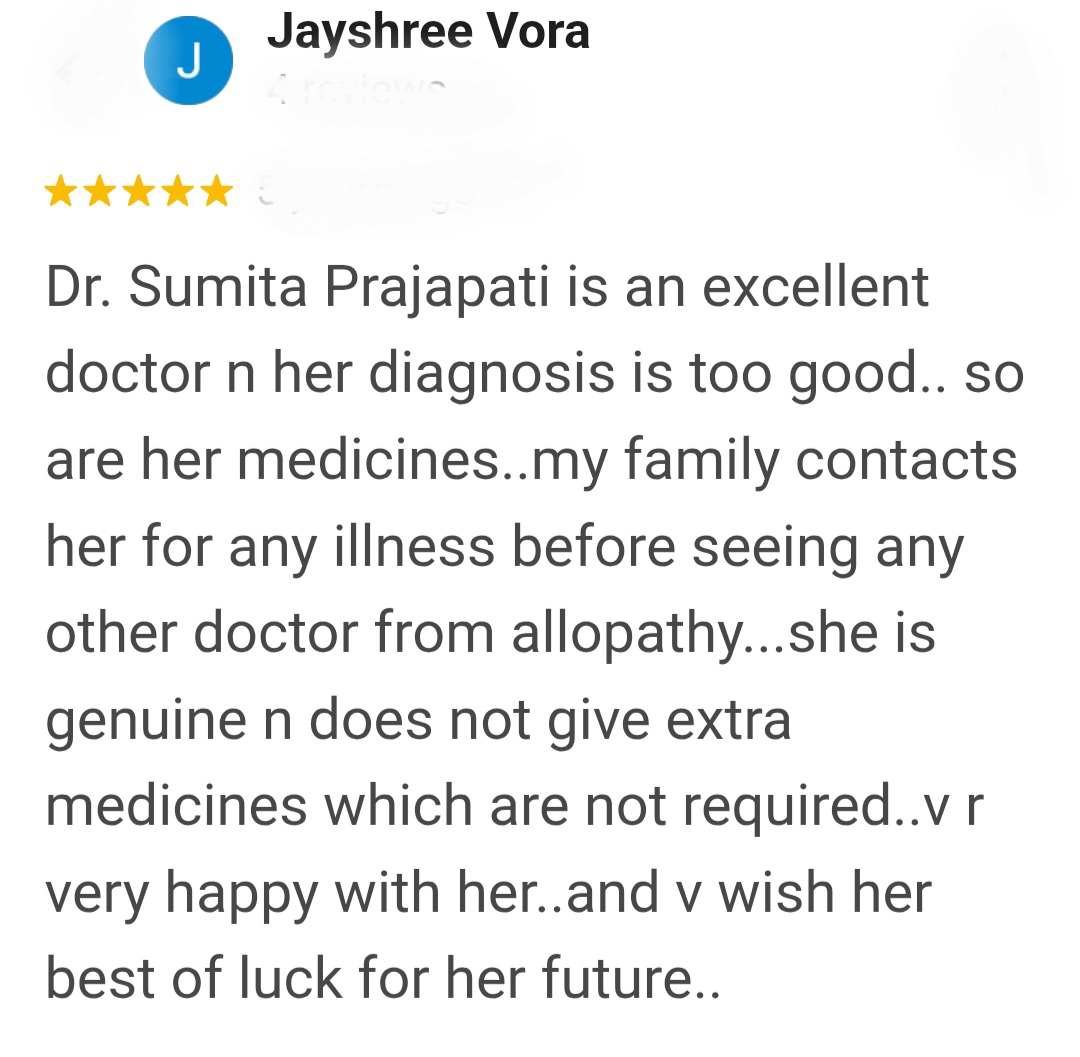

Diet Guidelines to digest Aam and balance Agni (Indigestion and slow Metabolism)
5000-year-old SECRETS to MANAGE DIGESTION AND METABOLISM What causes Indigestion? The causes of Indigestion are eating deep-fried food, red meat, stale, fermented wheat, refined wheat, excess candies, excess raw food, microwave food, Incompatible foods and wrong combinations like milk and salty food together, eaten without appetite. Drinking excess water during meals. Eating dry, heavy, and cold meals regularly. Excess late nights and daytime sleep. Sedentary or stressful lifestyle, Frozen food, cold drinks/ chilled water and ice creams. How to find out if you have indigestion? anorexia, gastric hyperacidity, burning in the gastric and chest region, acidic regurgitation, Stomach pain and burning, giddiness, nausea, vomiting, headache, bitterness and sourness in the mouth (Saliva), gas trouble, flatulence, burning urination, burning of hands, feet and eyes, elevated body temperature and body itching. 1) Impairment of the energy, strength, complexion & stamina. 2) Bloating & abnormal movement of air in the abdomen. 3) Constipation, Loose stools or not well-formed stools 4) Impairment of long-life, strength & life force (ojas). 5) Proves fatal for body, mind, intellect & senses. 6) Impairment of the purity of Tissues. 7) Causation of eighty varieties of Vata Diseases. 8) Diseases due to blockages in metabolism and digestion. Supplements for balancing digestion: Colocare Supitta Apitta Amritkala Apan Kitchen remedies for balancing digestion: Take ½ inch fresh Ginger root and boil with 2 glasses of water to half and drink 2-4 times a day Take 2 pinch ajawain seeds, add to a cup of warm water and take twice a day on empty stomach, it will immediately remove gases from the stomach Roast ajawain seeds, dill seeds and white sesame seeds in equal quantity, store in an airtight jar and chew after every meal as a mouth freshener and digestive. These kitchen remedies make a BIG Difference in Digestion and Metabolism. To Avoid or reduce: Tomatoes (Any form, Fresh, Sauce, Canned, etc.), Okra, Eggplants, Potatoes and Mushrooms. Deep Fried Foods, Wheat Products, Dairy Products, Cold Drinks, Soda and Salad (No Raw Vegetables). To Take and Enjoy: Plenty of Vegetables and Especially Green Leafy Vegetables except the Vegetables mentioned above. Please make sure All Vegetables are Completely Cooked. Moong Dal (Moong Soup) and in all forms, such as Whole Moong, Split Moong and Yellow Moong should be consumed daily. You may prepare Breads, Chapatti and Roti using mung dal flour or SPELT FLOUR Instead of Wheat. In the Dairy Category Avoid all types of Cheese, Especially Old and aged varieties. You may enjoy Fresh Cheese, such as Cottage Cheese, Fresh Mozzarella and Indian Paneer. Avoid Yoghurt.
Symptoms and Remedies of Indigestion Gas Avoid Fermented foods and heavy beans like chickpeas and kidney beans. Eat Drink warm water 3-4 times a day. 1 tsp. cumin powder 1 tsp coriander powder 1 pinch asafoetida (Hing) ¼ tsp. dry ginger powder ¼ tsp. black salt ½ cup water Mix and drink in the morning on an empty stomach. Acidity Use this recipe when burning is felt directly after eating 1 tsp. cumin powder 1 tsp. coriander powder 1 tsp. fennel seed powder ½ tsp. raw sugar cane juice (if desired) ½ cup water Blend all the ingredients together and drink in the morning on an empty stomach. Diarrhoea and Dysentery Herbs: Colocare, Supitta, Apan, Apitta. Kitchen Remedies for Diarrhoea 1. Soak 1 tsp. of poppy seeds and 1 pinch of nutmeg in a little water overnight. Make it into a paste and eat. Repeat 2-3 times throughout the day. 2. ¼ tsp. dry ginger powder 1 tsp. cumin powder ½ tsp. raw cane sugar ½ cup water Mix and drink this remedy 3-6 times daily. For patients with acidity, add 1 tsp. coriander powder. 3. Drink small amounts of ginger water throughout the day. To prevent diarrhoea whilst travelling, drink a tea made from 1 tsp. Cumin powder, 1 tsp. coriander powder, ¼ tsp. ginger powder and ½ tsp. raw cane sugar in ½ cup of water. Drink this tea 3-6 times daily. 4. Boil the skin of ½ a pomegranate in 2 cups of water and reduce the liquid by half. Filter and drink twice a day. 5. 2 tsp. curd, ½ tsp. cumin powder, ½ tsp. coriander powder. Mix together and eat 1 tsp. with food 2-3 times a day. Take until the diarrhoea stops.
Ayurvedic Food Combining Ayurveda believes every food has more than just nutrient content. It possesses certain qualities, including Rasa, which refers to the taste (sweet, sour, pungent, etc.). Virya, its energy: broadly, whether it’s “heating” or “cooling Vipaka is its post-digestive effect (i.e. how it influences the body after digestion). Sometimes, Prabhava has a more subtle and unpredictable effect. The idea is that when two or more foods with very different rasas, viryas or vipakas are combined in a meal, they can “confuse” the body’s digestive fire (called Agni), disrupt the digestive process, and lead to poor absorption or even production of “toxins” (called Ama). According to Ayurvedic guidance, poorly combined meals may lead to: • Weakening of Agni, meaning digestion becomes sluggish or incomplete • Fermentation or putrefaction in the gut, causing gas, bloating, and indigestion. • Creation and accumulation of Ama — often described as undigested metabolic toxins, which over time can disturb metabolic balance and lead to disease • Potential disruption of dosha balance (i.e. the bodily constitutions/energies Ayurveda tracks), which could manifest as issues with digestion, metabolism, immunity or even mental/energetic imbalance. For example: combining fruit with dairy, or beans with cheese, is often flagged. Fruits digest quickly; dairy or heavy proteins digest more slowly — when eaten together, the slower foods may “delay” the fast ones, leading to fermentation or stagnation Ayurvedic “Food-Combining” Guidelines Based on those ideas, Ayurveda suggests some broad rules (though with variation depending on one’s constitution / digestive strength): • Eat fruit alone, ideally on its own (or at least away from heavy or slow-digesting foods). • Avoid combining milk/dairy with fruit, sour foods, or proteins/starches that digest differently. • Avoid combining high-protein or heavy foods (beans, cheese, meats) with starches or foods with very different digestive demands • Avoid mixing raw and cooked foods in one meal (because they digest at different rates). • Prefer warm, easily digestible meals, avoid very cold or heavy combinations that may “douse” Agni. If meals are constructed thoughtfully, considering taste energy and digestive demand, digestion is believed to be smoother, leading to better nutrient absorption, less gas/bloating, a stronger digestive system, and more balanced overall physiology. • Fruits with Other Foods: This is a primary rule. Fruits digest very quickly. When eaten with slower-digesting foods like grains, dairy, or proteins, they get "stuck" in the digestive tract and ferment, causing gas and bloating. Fruits are generally best eaten alone, ideally on an empty stomach, 30 minutes before or 2 hours after a meal • Dairy with Fruits: The acids in fruits can curdle milk, creating heaviness and potentially leading to skin issues and digestive distress. Exceptions include dates and avocado with milk. • Milk with Fish/Meat/Eggs/Salt: Combining milk with other heavy proteins, meat, fish, or salty items is highly discouraged due to conflicting energies and digestion times, which can lead to toxin formation and imbalances. • Honey and Ghee in Equal Proportions by Weight: When mixed in equal amounts by weight, this combination is considered highly toxic in Ayurveda. Honey should also never be heated or cooked, as this can create harmful compounds. • Proteins and Starches Together: Heavy proteins, such as meat, cheese, eggs and starches, potatoes, bread require different enzymatic environments, acidic vs. alkaline for digestion, which can overwhelm the system. Compatible Food Combinations Ayurveda promotes specific pairings that support digestion and nutrient absorption. • Grains and Legumes: Rice and lentils are an excellent combination, famously used in kichadi, a balancing and easily digestible meal often used during cleansing. • Milk with Certain Items: Milk is compatible with dates, almonds, rice, and oatmeal. • Fruits with Nuts/Seeds (with care): Fruits can be safely combined with soaked nuts and seeds. • Spices as Antidotes: Herbs and spices like ginger, cardamom, cumin, and black pepper can be added to meals to enhance agni and mitigate the negative effects of slightly incompatible food combinations. n Ayurveda, seasonal eating is known as Ritucharya (ritu meaning season, charya meaning regimen). This practice aligns your diet with nature's cycles to balance the three bio-energies or "doshas": Vata (air/ether), Pitta (fire/water), and Kapha (earth/water). Winter (Vata & Kapha Season) During early winter (Hemanta), the body’s digestive fire (Agni) is strongest, allowing for richer, heavier meals to provide insulation against the cold. • Favor: Warm, cooked, and unctuous (oily) foods. Use healthy fats like ghee and sesame oil. • Foods: Root vegetables (carrots, beets, sweet potatoes), hearty grains (wheat, rice), nuts, and fermented foods like sauerkraut or kimchi. • Spices: Warming spices such as ginger, black pepper, cinnamon, and turmeric. • Avoid: Cold, raw, and dry foods (like salads or crackers), which can aggravate Vata. Spring (Kapha Season) As the weather warms (Vasanta), accumulated Kapha (mucus/heaviness) begins to "melt," making this a key time for detoxification. • Favor: Light, warm, and dry foods with bitter, pungent, and astringent tastes. • Foods: Leafy greens, sprouts, berries, and lighter grains like millet, quinoa, or barley. • Spices: Stimulating herbs like cumin, coriander, and fennel. • Avoid: Heavy, oily, sweet, and cold foods like dairy, fried foods, and rich desserts. Summer (Pitta Season) Summer (Grishma) is characterized by intense heat, which can lead to acidity and inflammation if Pitta is not pacified. • Favor: Cooling, hydrating, and sweet foods. • Foods: Water-rich fruits (watermelon, grapes, pears) and vegetables (cucumber, zucchini, celery). • Beverages: Coconut water, buttermilk (chaas), and cooling herbal teas like mint or rose. • Avoid: Spicy, salty, sour, and excessively hot or fried foods. Autumn (Vata Season) The transition from summer to fall (Sharad) brings dryness and mobility, requiring grounding and moisturising nourishment. • Favor: Warm, moist, and grounding meals. • Foods: Kitchari (a mung bean and rice dish), soups, stews, and squashes. • Proteins: This is a favorable time for hearty proteins, including lentils, seeds, and occasionally meat for those who consume it. • Avoid: Dry, light, and raw foods like popcorn, dried fruit, or large raw salads. Monsoon (Varsha Season) In regions with a distinct rainy season, digestion (Agni) often weakens due to high humidity. • Favor: Warm, easily digestible, and freshly cooked meals. • Foods: Moong dal, rice, and steamed vegetables. • Note: Use boiled or medicated water and avoid raw leafy greens during this period to prevent infection.
Seasonal Diet Recommendation (Rutucharya) Rutucharya, or ritucharya, is an ancient Ayurvedic practice that prescribes specific dietary and lifestyle regimens to align the body with the natural changes of each season. helps maintain the balance of the three doshas (Vata, Pitta, and Kapha) and enhances metabolism, strength, digestive fire and immunity. As per Ayurveda year is divided into two periods (Kaals) and six seasons (Ritus), each with its own recommendations: Adaan Kaal (Northern Solstice/Uttarayana) During this period (mid-January to mid-July, also called as Shishir, Vasant, and Grishma ritu in Sanskrit), the sun and wind are powerful, which drains strength and energy, making the body dry and weak Shishira Ritu (Winter: mid-January to mid-March) favour sweet, sour, and salty foods. Include new grains, ghee, milk products are good. spices like ginger, pippali and garlic to maintain body heat. Limit dry, light, and cold foods. Avoid tastes that are bitter, pungent, or astringent (e.g., raw salads, cauliflower, broccoli) as they can aggravate Vata and increase dryness. Exercise, warm oil massages, sunbathing in early morning or evening sun, and wearing warm clothes are recommended. Avoid exposure to cold winds and daytime naps. Vasanta Ritu (Spring: mid-March to mid-May) Focus on easily digestible foods with bitter, pungent, and astringent tastes, like barley, honey, lentils, bitter guard, pomegranate and mung. Avoid oily, excess dairy products, cold, heavy, sour, salty and sweet foods, which can aggravate Kapha dosha. Regular exercise, dry body massages (Udvartana), and warm water baths are beneficial. Therapeutic vomiting (Vamana) and nasal medication (Nasya) may also be advised by an ayurvedic practitioner. Avoid daytime sleeping. Grishma Ritu (Summer: mid-May to mid-July) Consume light, sweet, cold, and liquid foods like fresh fruits, juices, tender coconut water, buttermilk, Ghee, rice, khichadi and lentils to balance weakened strength, dehydration, exhaustion and increased Pitta Vata. Avoid pungent and sour foods. Stay in cool places, wear light cotton clothing, and apply sandalwood paste to the body. Napping during the day is permitted. Avoid excessive exercise, hard work, and alcohol. Visarga Kaal (Southern Solstice/Dakshinayana) During this period (mid-July to mid-January, also called as Varsha, Sharad and Hemant ritu in Sanskrit. The moon is more powerful, the Earth cools, and a person's strength increases. • Varsha Ritu (Monsoon: mid-July to mid-September) Eat warm, easily digestible foods with sour and salty tastes, like vegetable soups, old grains, khichadi, meat juice, and boiled water. Use carminative spices like ginger. Avoid raw foods, cold, heavy and excessive liquids, and river water. Focus on diet and lifestyle to reduce humidity, which weakens digestion (Agni) and aggravates Vata and Pitta doshas. incorporate gentle treatments like oil massage (Abhyanga) and detoxifying Basti. Use warm water for bathing and regular oil massages. Avoid getting wet in the rain, excessive exercise, and daytime sleep. • Sharad Ritu (Autumn: mid-September to mid-November) Favour sweet and bitter tastes. Include organic wheat, green gram, honey, Shali rice, barley, sweet, cool, and slightly bitter foods and lean meat in the diet. Avoid hot, fatty, and salty foods. Eat only when hungry. Purify water using sunlight during the day and moonlight at night. Medicated purgation (Virechana) and bloodletting (Raktamokshana) may be performed. avoid day sleeping, excessive sun exposure, and overeating. Drink enough water, perhaps sweetened with rose petals or other Pitta-cooling ingredients. • Hemanta Ritu (Pre-winter: mid-November to mid-January) Consume heavy, unctuous, sweet, sour, and salty foods like ghee, milk products, whole grains, new rice, nuts, sweet potatoes, carrots, sesame oil, with spices fenugreek, cinnamon, cardamom, and cloves. The digestive fire (Agni) is strongest, so nourishing meals are ideal. Drink Turmeric milk, ginger tea with tulsi, herbal teas or warm water. Avoid cold drinks and raw salads. Exercise, full body and head massages, sunbaths, and residing in warm places are recommended. Wear heavy, warm clothes. Dosha Balance: Each season causes a specific dosha (Vata, Pitta, or Kapha) to either accumulate, aggravate, or be pacified. Ritucharya counteracts these shifts. Agni (Digestive Fire): Your digestive strength changes with the seasons.it is strongest in winter and weakest in summer and monsoon. Ritusandhi is the 14-day transition period between two seasons, the last 7 days of one and the first 7 days of the next month. Habits should be adjusted gradually during this time to avoid sudden shocks to the system. Shifting tastes (sweet, sour, salty, bitter, pungent, astringent) and food temperatures to match environmental conditions. Modifying exercise intensity, sleep patterns, and self-care rituals like Abhyanga (oil massage) or Swedana (herbal steam) based on the time of year. Implementing Panchakarma (detoxification) at specific times—such as Vamana in spring or Virechana in autumn—to remove excess accumulated doshas.
Ayurvedic Recipes and Kitchen Remedies
An Ideal Breakfast In the evening, place some water in a pan and soak at least 10 black raisins, 1-2 dates and some dried figs or apricots if desired. (Dried fruits should either be soaked overnight. You can also soak a combination of any of the following seeds and nuts: sunflower and pumpkin seeds, blanched almonds, hazelnuts, shredded coconut, sesame and linseeds (flax). In the morning, bring the water and soaked fruits, etc., to the boil and add 1 tsp. cinnamon powder and 2 crushed cardamoms. Then pour in rolled oats, or if you are Diabetic or Prediabetic, use flaked millet, popped quinoa, amaranth, etc., and cook until soft. Try altering the flavour by adding 1 tsp. fennel seeds. To make the porridge creamier, use cow's milk, and if you are lactose intolerant, add oat milk, coconut or rice milk.
Benefits Soaking dried fruits may enhance their rehydration, palatability, and digestibility. Raisins, dates, figs, and apricots are noted for their high fibre, antioxidants, essential vitamins, and minerals (such as potassium and iron). These components support gut health, help reduce oxidative stress, and lower the risk of chronic diseases like cardiovascular disease and type 2 diabetes. The antioxidant power, particularly after soaking, may increase the bioavailability of active compounds, which can help reduce inflammation and cell damage. Nuts and seeds such as almonds, sunflower and pumpkin seeds, sesame, and linseeds contain antinutritional factors (e.g., phytates) which can inhibit mineral absorption. Soaking is often recommended as it can reduce some of these. Cinnamon and cardamom are potent in antioxidants and anti-inflammatory properties, and may help regulate blood sugar and cholesterol when used regularly. Fennel is known for aiding digestion, cooling, reducing Pitta and adding a unique flavour. The inclusion of these spices in breakfast cereals can contribute to digestive health, enhanced flavor, and potentially improved metabolic profiles, thereby increasing the bioavailability of nutrients such as calcium, iron, and zinc. Diversifying grains in porridge helps increase the diversity of micronutrients and proteins. Oats are especially high in soluble fibres (beta-glucans) linked to reduced cholesterol. Millet, quinoa, and amaranth are rich in protein and trace minerals, offering complementary amino acids and nutrients compared to oats alone Soaking dried fruits and nuts can modestly enhance their nutritional value and digestibility. Using a mix of grains, nuts, seeds and milk creates a nutritionally diverse, fibre-rich breakfast. Adding spices like cinnamon, cardamom, and fennel not only boosts flavour but may also offer anti-inflammatory and metabolic benefits. This style of breakfast porridge represents a nutrient-dense, heart-healthy, and satisfying meal option that balances all 3 doshas ayurvedically
Mung Soup Mung beans are less gas-producing than other beans, remove toxins from the body, and, when cooked with the suggested spices, stimulate the digestive fire. Soak the mung beans either overnight or for at least one hour before cooking. Heat sesame oil or ghee in a pan and add a teaspoon of turmeric powder, 2 pinches of asafoetida (to take the gas quality out of the beans) and two bay leaves. (All ingredients are available in any Indian food store and most health food shops.) Discard the water from the soaked beans and add the beans to the pan with fresh water. To one-part mung you need at least three to four parts water. Leave to bubble away for 30-40 minutes, adding water as necessary. Slowly, the beans begin to soften and break up. Continue to cook until all the beans are soft. Whilst the beans are cooking, heat some oil or ghee in another pan and add one heaped teaspoon of cumin and coriander seeds plus any other herbs or spices (except chillies) such as garam masala, black pepper, kokum, etc. Sauté briefly and then add a finely chopped onion, some fresh root ginger and 2-3 cloves of garlic. Sauté until the onions turn golden brown and then remove from the heat. Once the beans are soft, add the onions and some salt to the pan and continue to simmer for a few minutes. Don’t add salt until the end, as this makes the beans tougher, and they would therefore take longer to cook. Serve with rice, fresh coriander leaves and ghee.
Several studies suggest that mungbeans contain bioactive compounds that support cellular and systemic detoxification, including enhanced antioxidant activity and upregulation of enzymatic detoxification systems. In traditional diets from Ayurveda mung bean is prized for its cooling, easy-to-digest, detoxifying, and anti-inflammatory effects Soaking beans before cooking is a highly effective, scientifically supported method to enhance their digestibility, nutritional value, and texture. This process addresses the common issues of gas and bloating by reducing the complex compounds found in raw legumes. Functional Spices: Ayurvedic culinary practices of using spices like asafoetida (hing), cumin, coriander, turmeric, ginger, and bay leaves are not arbitrary. Scientific studies show that these spices stimulate digestive enzymes, reduce fermentation, and may have carminative (gas-reducing) actions. The combination of spices described not only flavors the dish but also significantly improves its digestibility and may support the body’s digestive "fire" (agni), as per Ayurveda When cooked with spices and onions, mung beans offer high-quality plant protein, dietary fibre, and a spectrum of vitamins and minerals. Adding ghee or sesame oil further enhances the absorption of fat-soluble nutrients and beneficial phytochemicals from spices
Soaking and then discarding the water, followed by cooking with functional spices, makes mung beans (or moong dal) one of the most digestible and detoxifying legumes available. This preparation method specifically reduces gas-producing compounds, removes antinutrients, and improves the digestibility of the protein, allowing the body to absorb nutrients more effectively.
Ghee- Clarified Butter To make ghee, use unsalted, good-quality organic butter. Place the butter in a pan and let it melt and simmer on the lowest possible heat. In the beginning, it will make a lot of noise, the butter will look thick and cloudy, and a foam will appear on the top. In the first five minutes, occasionally stir the liquid to allow all the water content to evaporate, and then leave the liquid to continue simmering for a further 15 minutes. Slowly, particles will sink to the bottom, the foam will settle on the top and in between, the pure butter oil will become clear. The moment the sediment on the bottom starts to turn brown, remove the pan from the heat, skim off and discard the foam, and strain the liquid through a very fine sieve, cheesecloth or muslin into a jar. Don’t store ghee in the fridge: it doesn’t go rancid and will keep for months. Use it for cooking (ghee doesn’t burn as quickly as butter does) and you can always add a teaspoon to your food. ENJOY!
Healing Khichadi Khichadi is a simple stew of rice and split mung beans, which is easy to digest and stimulating to the digestive fire. Soak the split mung beans for at least one hour before cooking. Heat ghee or olive oil in a pan and add cumin or coriander seeds. Then add some finely chopped onion, root ginger and garlic and sauté until golden brown. Stir in 1 tsp. turmeric powder, 1 pinch asafoetida, some black pepper and a few bay leaves. Take a cup and fill half with mung and the remaining half with rice. (In case of Diabetes, in place of rice, use soaked Kodo, Foxtail, Barnyard, or Little Millet) One can also add any chopped vegetables that you have, such as carrots, pumpkin, squashes, green beans, fresh sweet green peas, courgettes, and asparagus. Add the beans into the pan with four cups of water (more if you have added vegetables). In a normal pan, you will need to cook it for about 30 minutes, adding more water as necessary When beans have become completely soft, add a little salt and serve the dish with ghee and freshly chopped herbs like cilantro. Experiment with different vegetables and spices to create different flavours.
The combination of rice and mung beans supplies a balanced mix of complex carbohydrates and complete plant protein. Adding vegetables increases fibre, vitamins, and antioxidants. Cooking with ghee or olive oil adds healthy fats that aid nutrient absorption. Cumin stimulates digestive enzymes, aiding digestion and reducing gas and heat. It also supports metabolism and blood sugar regulation. Coriander seeds reduce Pitta and possess anti-inflammatory antioxidant properties beneficial for digestive health. Turmeric contains curcumin, a potent antioxidant and anti-inflammatory agent that supports gut health. Asafoetida (hing) is traditionally used to reduce flatulence and soothe digestion. black pepper (Piper nigrum) is highly valued in Ayurveda for its ability to balance Kapha dosha and support digestive and respiratory health,Bay leaves contribute mild digestive and antimicrobial properties. The slow cooking and spice blend stimulate digestion, making this dish gentle and nourishing to the digestive system, consistent with Ayurvedic principles. Soaking mung beans enhances their digestibility and nutrient absorption. The spices in khichadi contribute digestive stimulation, reduce gas, and offer antioxidant and anti-inflammatory benefits. This makes khichadi a balanced, wholesome, and easily digestible meal adaptable with various vegetables and herbs for flavor and nutrition Ginger Water Ginger water is the ideal remedy when you have a cough, cold or excess mucus accumulation in your throat and sinuses. Being hot in nature, ginger has the quality to cut into and loosen mucus as well as stimulate your digestive fire so that the stomach can clear the mucus effectively. Due to this stimulating action on the digestion, it is also the perfect drink to be taken either before you eat a meal or half an hour afterwards if your digestion is sluggish. Don’t drink it too regularly, though, as it might increase pitta too much. Cut 4-5 slices of fresh root ginger and place in a pan of water. Bring to the boil and allow to simmer for at least 5 minutes. Strain into a mug and enjoy! If you wish to sweeten it with honey, add it only after the liquid has cooled to drinking temperature, as honey is not heat-stable.
Digestive Tea for balancing weight and improving Digestion Place 4 cups of water, 2 tsp. cumin powder, 2 tsp. coriander powder, 1 tsp. rose water, 4 crushed cardamom, 1 tsp. fennel seeds, 1 pinch black pepper, 1 pinch asafoetida and 2 slices fresh root ginger together in a pan and bring to the boil. Simmer gently for 5 minutes, remove from the heat and keep covered for another 20 minutes. Filter and keep warm in a flask to drink regularly throughout the day.
Ayurvedic Recipes on YouTube 1) Kodo millet Recipes the Ayurvedic way -nutritious, gluten-free, balancing Doshas Part 1 Uttapam https://youtu.be/AJZNCJdsuMk?si=Nm9yX8mzVvtXadLf 2) Got diabetes or watching your weight? This Kodo millet dosa and sambhar recipe is the perfect Part 2 https://youtu.be/ffnk7VFpQ4A?si=6-iIqwMxAEe6btO1
3) Ayurvedic vegetable Kodo millet idli Part 3 https://youtu.be/AJZNCJdsuMk?si=zN4RaCfqXgaz1atO
4) Discover the goodness of Ayurveda with Millet Vegetable Chilla, a healthy dish loaded with vegetables https://youtu.be/wCJrgttlwlw?si=ju7RYOPQJak-iGXi
5) Ayurvedic Chutney made by roasting the healthy ingredients https://youtube.com/shorts/BlDUB4KhzkI?si=upDWwdlkFduj8AkY
6) Ayurvedic Energy Drink https://youtu.be/P93YGbUPhvE?si=eo_1ukmxiBgz7jFS 7) Ayurvedic Chai Part 1 https://youtu.be/boph26gzJsY?si=AAjecxZek3MzCVJi
Ayurvedic Care for Animals
Ayurveda, the ancient Indian system of holistic healing, has a dedicated branch for animals called Pashu Ayurveda, which focuses on maintaining their health and heal them through diet, herbal remedies, and lifestyle practices. This system is based on the same core principles as human Ayurveda, emphasising the balance of the three doshas: Vata, Pitta, and Kapha.
Diets are tailored to an animal's dosha: warm and grounding for Vata, cooling for Pitta, and light and dry for Kapha.
Ayurja, Rejuderm, Ayuglo, and Apitta may be used for specific animal wellness needs.
Clean water, regular exercise, routine, and a peaceful environment support balance.
Massage with suitable oils may support circulation, calmness, and immunity.
Remedies, Supplements, Diet Tips, and Therapies of Ayurveda for Animals
Every animal has a unique constitution (Prakriti) determined by varying combinations of the three doshas. Health is a state of balance among these doshas, and illness is a result of imbalance. Ayurvedic practices for animals include a variety of natural approaches:
Pashu Ayurveda has been a part of traditional Indian veterinary supplements for millennia, with ancient texts such as the Shalihotra Samhita detailing the care of horses and elephants (Ashwayurved and Hastiayurved). Today, there is a growing interest in integrating these traditional methods with modern veterinary science.
Applying ancient principles like the doshas (Vata, Pitta, and Kapha) to pet care is a growing trend in holistic veterinary medicine. Let me break this down a bit and share some insights based on Ayurvedic concepts adapted for pets. Keep in mind, I'm not a vet, so always consult a professional for your pet's specific needs.
Understanding Doshas in Pets
The idea is to tailor their diet to balance their dominant dosha, promoting physical health, like better digestion and immunity, and emotional well-being, reducing stress or hyperactivity.
Ayurvedic Diet Tips for Pets
Based on traditional teachings, here's how nutrition can harmonise a pet's doshas. Focus on fresh, whole foods, and avoid processed kibble when possible—though modern adaptations often blend these with commercial pet food.
Broader Benefits and Tips
If you have a specific pet in mind, like a dog, cat, or bird, or want advice on identifying their dosha, share more details—I'd love to help.
Dr Sumita specialises in caring for all kinds of animals with the help of Ayurveda.
Ayurveda is effective for all living beings. e.g., Snake suffering from skin problems, Dogs having allergies, Arthritis, Digestive issues, Liver problems, Hair fall, and anxiety have been healed successfully with her Aayushanti supplements.
The information and statements provided on this website, or through any related emails, SMS, messages, or communications from us regarding Ayurvedic diet, home remedies, lifestyle practices, or dietary supplements, have not been evaluated by the U.S. Food and Drug Administration (FDA) or by any equivalent regulatory authority in other states or countries.
Our products are natural, plant-based dietary and traditional food supplements. They are not pharmaceutical medicines, do not contain any controlled substances, and are not intended to diagnose, treat, cure, or prevent any disease, as defined by law.
All products are gluten-free and are thoroughly tested for heavy metals and microbial contamination. We use only high-quality, effective herbs and manufacture our products in a clean, modern facility that follows GMP (Good Manufacturing Practices) standards.
Dr. (Vaidya) Sumita Prajapati, MD (Ayu), and the associates of Ayushanti UK Ltd., India, and Ayushanti USA are Ayurvedic Practitioners. Ayurveda is a holistic science of life and healthy living. The role of an Ayurvedic practitioner is that of an educator, encouraging and supporting individuals in achieving better health and overall well-being.
We do not diagnose or treat diseases; rather, we focus on educating individuals on how to enhance the body's innate healing capacity.
All information provided by us is for educational and inspirational purposes only and is not intended to replace the advice of a licensed medical doctor, nor should it be considered medical advice. We do not advise discontinuing any prescribed medications without prior consultation with your healthcare provider.
Any testimonials, videos, or shared experiences reflect personal opinions and individual experiences only. Results may vary depending on factors such as dosage, duration of use, body type, diet, lifestyle, and personal discipline.
Our purpose is to share education about the ancient art and science of Ayurveda, which has supported health and well-being for thousands of years across the world. We hope you enjoy your experience with us and find value in learning about the Ayurvedic principles of Aayushanti.
```Cooked vegetables such as pumpkin, squashes, marrow, gourds, zucchini, spinach, French beans, sweet corn, onions, carrots, beetroot, celery, and bitter melon are recommended.
Ghee is the best dairy product and may be added to most foods. Milk should be warm and spiced with ginger, cardamom, cinnamon, or turmeric.
If meat is eaten, prefer white meat such as chicken or turkey. Fish is hot and Pitta-increasing, so freshwater fish is preferred if taken.
Replace refined sugar with jaggery, raw cane sugar, date sugar, molasses, or honey. Never heat honey.
Herbal teas are preferred. Ginger tea is warming, supports Agni, improves circulation, and helps with coughs and colds.
Cumin, coriander, fennel, and saffron are excellent for balancing all doshas and supporting Agni. Black pepper, turmeric, cinnamon, cardamom, cloves, mustard seeds, nutmeg, fresh coriander, onions, garlic, ginger, and asafoetida may also be used.
A nourishing Ayurvedic breakfast made with soaked dried fruits, nuts, seeds, oats or millet, cinnamon and cardamom.
Supports digestion, gut health, energy, heart health and helps balance all three doshas.
One of Ayurveda's most digestible and detoxifying meals.
Traditional Ayurvedic superfood that supports digestion and nutrient absorption.
A classic Ayurvedic cleansing and restorative meal made from rice, mung beans and digestive spices.
Traditional remedy for coughs, colds, sluggish digestion and mucus accumulation.
Ayurvedic tea for digestion, metabolism and healthy weight management.
Disclaimer The above Ayurvedic dietary information is for educational purposes only and should not replace professional medical advice, diagnosis, or treatment. Statements regarding Ayurvedic foods, herbs, and supplements have not been evaluated by the US FDA and are not intended to diagnose, treat, cure, or prevent any disease. Always consult a licensed physician or qualified healthcare provider before starting any new diet, especially if you are pregnant, breastfeeding, or taking prescription medications. Effectiveness depends on various factors, including individual health conditions, adherence to principles, and your unique dosha (constitution).
Click any category below to browse our full collection of photos and content.


Indications: Vitiligo, leucoderma, white spots, hypo-pigmented skin. Promotes skin pigmentation. Balances Pitta in the skin, restoring normal skin color and purifying blood. Give it with Gloderm and Easigo.
2 tablets per day, 1 am, 1 pm. 120 tablets
Indications: Weak memory, hysteria, disarthria, and depression, CNS disorders; epilepsy,
Nourishes all Dhatus especially nervous system promoting sattva character of mind, awareness, intellect, memory, and imagination; tranquillizes nerves relieving anxiety, stress, restlessness, anger; rectifies Vata to move in its natural path in the brain, reduces Pitta and Aam by digesting it; stimulates gastric enzymes improves digestion and appetite; carminative; in case of pregnancy, if taken between the 24th week and delivery, the mental faculties of the expected child get developed appropriately. Nourishes emotions and mind.
2 tablets per day, 1 am, 1 pm. 120 tablets
Indications: Anti-aging and anti-wrinkle cream.
Reduces dryness and dullness of skin and improves texture and glow by moisturizing the skin.
Apply to face 3 to 4 times a day. 50gm.
Indications: Edema, polyuria, urinary tract infections, urolithiasis, nephritis, dysuria, ascites.
Removes blocks in the urinary tract, toxins in the nephron and scrapes walls removing blocks stimulating glomerular filtration; rejuvenates urinary tract tissues; diuretic nature flushes toxins and
Stones, reduces inflammation and eradicates infection in the urinary tract, reduces pain and dysuria; rectifies excess doshas and corrects its movement, reduces mucus and removes blocks caused by Aam, Vata, Pitta, eliminates kidney stones by its diuretic function.
2 tablets per day, 1 am, 1 pm. 120 tablets.
Indications: Adenitis, ovarian cyst, tube blocks, atherosclerosis, inflammation, lymph, edema, thyromegaly, tumors, cysts, fibroids, uterine bulkiness, prostate enlargement, lymphoma, blocks caused by inflammation or fibrosis. Reduces Medha dhatu (reduces adipose tissue), scraping effect on Aam and kapha stuck in the muscles tissue thus reduces fibroma. Excess vata causes degenerated muscles and fibrosis. Reduces fibrosis by
2 tablets per day. 1 am, 1 pm. 120 tablets.
Indications: Pregnancy, supports fetal development, prevents miscarriages.
It nourishes all the dhatus of the fetus, regulates hormone secretions during the first quarter thus prevents abortions. It also prevents abnormal bleeding. Reduces pitta and vata, generates kapha which
helps the growth of fetus. Stimulates lactation and increases quality and quantity of milk.
Nourishes rasa dhatu improving memory, intellect, health, youth, enthusiasm, and physical energy. Reduces dryness of fluids in the body. Reduces pitta.
Indications: All types of skin problems, urticaria, leucoderma, post acne scarring, puritis,
Purifies blood and muscle tissue; balances all doshas, reduces vata and rectifies its movement, reduces Kapha, laxative nature removes Pitta through stool and removes toxins and excess Pitta through skin by stimulation sweating, purifies rasa (plasma and lymph) and rakta (blood) dhatus; kills worms, bacteria
and ameba; stimulates gastric enzymes, and improves digestive fire.
2 tablets per day, 1 am, 1 pm. 120 tablets
Indications: Skin diseases; hyper-pigmentation, itching, burning, rash, eruption, dermatitis.
Purifies the blood intoxicated by doshas, mainly pitta and Aam; removes dark patches, scaling, redness, eruptions, pus and itching on skin; purifies Rasa dhatu and Rakta dhatu.
2 tablets per day, 1 am, 1 pm. 120 tablets
Indications: Headache, muscle and joint pain and stiffness, backache, inflammation, sprain.
Reduces inflammation due to excess vata and Aam. Relaxes muscles, decreases joint and muscle
Apply as needed. 20 gram tube
Indications: Hairfall, dandruff, Alopecia, low hair growth, insominia, tension.
Promotes more hair growth, soft, shine and luster to the hair, improves sleep and tension.
Apply twice a week on the scalp and hair. 100ml.
Indications: Impotence, premature ejaculation.
Aphrodisiac, enhances circulation towards male reproductive system, removes obstructions at shukra dhatu level; provides strength and sexual vitality to men, enhances blood circulation to penis to keep erection for longer time and increases time of orgasm and reduces fatigue during and after coitus;Increases sperm count, motility and viability; cool in nature and reduces Pitta (Note: Pitta reduces shukra dhatu (semen); increases agni, stimulates digestive enzymes, carminative, nourishes the nervous
4 tablets daily. 2 am, 2 pm, 120 tablets.
Indications: Constipation, flatulence, abdominal disorders.
Cleanses the bowels and removes toxins, removes doshas in the stool and improves digestive power.Digests Aam and eliminates it and doshas in stool; laxative and carminative in nature, reduces Pitta and Vata and rectifies its movement; removes abdominal toxins, stimulates gastric enzymes improving digestion and metabolism, rejuvenates tissues and produces dhatus. Increases Agni at digestive and metabolic levels.
4 tablets daily, 2 am, 2 pm, 120 tablets.
Indications: Pain, diseases due to Vata: sinus ulcer, fistula in anus, sciatica, disease of head,
Rheumatism, arthritis, dysmenorrheal, tinnitus, abdominal pain. Pus from ears and teeth, natural Pain killer. Reduces pain caused by Vata in any part of body. Relieves pain rapidly; Decreases Vata
and Aam. It is antiseptic. Can be used in place of antibiotics together with sothanil to reduce bacterial infections.
2 tablets per day, 1 am, 1 pm. 120 tablets
Indications: Heart palpitations, angina, congestive heart failure, myocardial damage , cardiomyopathy.
Regulates functions of heart, rejuvenates and strengthens the heart muscle and channel (heart tonic), decreases vata, rectifies movement of vata and pitta and reduces excess doshas, increases agni and decreases aam removing blocks; improves digestion; carminative in nature.
2 tablets per day, 1 am, 1 pm. 120 tablets
Indications: Low immunity, viral infections, chronic fever, weakness, drug toxicity. Cleansing from allopathic medicines (antibiotics), rejuvenates and nourishes all dhatus increasing
memory, intellect, health, youth, enthusiasm and physical energy, increases strength and vitality and increases ojas quickly; cooling in nature, reduces heat in the body by removing Pitta through stool thus decreasing burning sensations; reduces fever and ailments caused by viral infections, stimulates digestive enzymes and increases appetite, reduces Aam by digesting it; rectifies digestive and metabolic processes. Increases agni. When the ojas is nourished, body creates antibodies against the viruses naturally.
2 tablets per day. 1 am, 1 pm. 120 tablets.
Indications: Edema, salpingitis, nephritis, hernia, sciatica, inflamed joints, fascilitis, high
Reduces inflammation anywhere in body; eliminates blocks that prevent vata’s circulation in the lymph and blood; reduces Aam and obstructions created by Aam; increases Agni, reduces any growth especially lymphatic or vascular by rectifying metabolic Agni. Used to symptomatically reduce cholesterol, but does not address the root cause.
2 tablets per day, 1 am, 1 pm. 120 tablets
Indications: Obesity, High cholesterol, high triglycerides
2 tablets per day, 1 am, 1 pm. 120 tablets
Indications: Osteoarthritis, rheumatoid arthritis, sciatica, joint pain, swelling (Diseases caused by excess vata).
General tonic and strengthens body. Stimulates Agni, regulates metabolism and other bodily functions. It expels excessive vata responsible for joint pain and swelling. Reduces vata.
2 tablets per day, 1 am, 1 pm. 120 tablets
Ayurvedic Pulse Reader (Ayurvedic Vaidya Visharad)
Dr Sumita Prajapati is a highly experienced Ayurvedic physician with an extensive background in both Western and Ayurvedic sciences. She is the director of Aayushanti Ayurvedic clinic, which operates in Mumbai, India and also has a presence in the USA and UK. She specialises in combining traditional Ayurvedic techniques, such as Pulse Reading, with Western Diagnostic methods. She has mastered the ancient practice of Ayurvedic pulse reading, the ancient art and science of detecting the existing status of a person’s body, mind, soul and spirit, which she learned from her late Grandfather Vaidya Dayanand Swami and Guru Dr Madhav Sane
Throughout her 27 years of Ayurvedic Practice, she has served over 300,000 clients from more than 50 countries. She practises in Mumbai, London, the USA, and East Africa, where she is frequently invited to conduct workshops and speak on the benefits of Ayurveda for healthy living. She has also travelled to numerous countries, including Canada, Doha, Switzerland, Lebanon, Mauritius, Madagascar and European Countries
Her areas of expertise include:
Women's Health and Fertility: A primary focus of her practice.
Chronic Conditions: Specialised plan for diabetes, she wrote her thesis on Diabetes, cardiac issues, Women's Thyroid conditions, hormonal imbalances, Cardiac Problems, Cholesterol Management, Obesity, Digestive Imbalances, Hair Loss, Ankylosing Spondylosis, Rheumatoid Arthritis, Excess Heat and Toxin related Problems, Asthma, and allergies. Exceptional results in diabetes, obesity and Infertility
Skin and Hair Health: Natural supplements and remedies for various skin conditions and hair loss
Detoxification: Offers Panchkarma detoxification services, which is a detoxification process that attracts both Western and Indian clients to her centre in Mumbai
Lifestyle Management: Guides stress management, healthy living, and diet.
Dr. Prajapati is regularly invited internationally to teach and share the ancient wisdom of Ayurvedic Pulse Reading, along with Ayurvedic principles of diet, lifestyle, home remedies, and herbal healing. She also delivers speeches and conducts seminars on the benefits of Ayurveda for healthy living.
The first part of this book explains the basic principles of Ayurveda, highlighting the importance of both the spiritual and physical aspects of healing. It covers:
The three doshas and their sub-doshas
The seven dhatus
The srotas and malas
Ayurvedic healing modalities such as Purvakarma and Panchakarma
The second part of this unique book reveals the ancient secrets of Ayurvedic Pulse Reading. Very few works have explored this profound science in such depth.This section goes beyond theory and fully demonstrates the inner workings of pulse diagnosis, making the subject practical and easier to understand.
It explains:
The body’s imbalance (Vikriti)
Common symptoms and their meanings
Treatment approaches based on pulse diagnosis
The book also includes fully illustrated pulse diagrams, which make the learning process clear and effective.
The appendices provide valuable practical guidance, including:
herbal formulations, their benefits and indications
Recommended diet plans
Suggested Panchakarma
This book is especially useful for practitioners who already have a basic understanding of Ayurveda. With this knowledge, they will be able to recognise pulse vibrations, interpret the patient’s vikriti, and prescribe appropriate Ayurvedic herbs and treatments for overall well-being.
Aayushanti Aloe Vera Gel
Aayushanti Aloe Vera Gel is a pure, natural formulation free from parabens, sulfates, artificial colors, and dyes. Known for its powerful hydrating, soothing, and healing properties, it supports skin repair, reduces inflammation, and promotes overall skin and hair wellness.
This gentle yet effective gel can be safely used on the face, body, and hair, making it a versatile daily-care solution. Its pure formulation is especially suitable for sensitive skin, helping to avoid irritation caused by chemical additives.
Key Benefits & Uses
🌿 Skin Care
Soothes sunburns, minor burns, insect bites, and irritation
Reduces redness and inflammation
🌿 Hair Care
Reduces frizz and dryness
🌿 Versatile Daily Use
Ideal as a natural aftershave or soothing gel
Can be applied directly to the skin for maximum benefit
🌿 Pure Aloe Gel
Best used in its pure form for optimal results
Gentle, Natural Care for Healthy Skin
Aayushanti aloe vera face wash gently yet deeply cleanses the skin while hydrating, soothing, and restoring its natural balance. Suitable for all skin types—especially sensitive and acne-prone skin—it helps reduce inflammation, control excess oil, promote healing, and fight acne-causing bacteria without stripping the skin of essential moisture. The result is smoother, clearer, and more radiant skin.
Rich in anti-inflammatory, antibacterial, and hydrating properties, aloe vera calms redness, supports collagen production, accelerates blemish healing, and protects the skin from environmental damage. This makes it an ideal daily cleanser for refreshed, healthy-looking skin.
Key Benefits
🌿 Deep Cleansing & Hydration: Gently cleanses pores without dryness, maintaining moisture and skin softness.
🌿 Soothes Inflammation: Calms redness, irritation, sunburn, and skin conditions such as eczema or psoriasis.
🌿 Fights Acne: Antibacterial action helps reduce acne-causing bacteria while balancing excess oil.
🌿 Promotes Healing: Supports collagen production and faster skin repair, helping minimise scars and blemishes.
🌿 Balances Skin: Regulates oil in oily skin and replenishes moisture in dry skin.
🌿 Anti-Ageing & Brightening: Antioxidants support cell renewal, helping reduce fine lines and fade dark spots.
Ideal For
Oily Skin: Controls oil and keeps skin fresh and clean.
Sensitive Skin: Gentle, calming formula reduces redness and irritation.
In short, our aloe vera face wash offers effective cleansing combined with natural, skin-balancing care—making it a versatile daily essential for healthy, glowing skin.
offers numerous benefits, primarily for its deep hydration, soothing anti-inflammatory properties, and ability to support skin healing and regeneration. It is a gentle cleanser suitable for all skin types, including sensitive, dry, and acne-prone skin.
Key Skin Benefits
🌿 Deep Hydration: Aloe vera is rich in water, mucopolysaccharides, and enzymes that help bind moisture to the skin without leaving a greasy residue, making it an excellent natural moisturiser.
🌿 Soothes Irritated Skin: Its potent anti-inflammatory properties help to calm redness, rashes, itching, and irritation caused by conditions like eczema, psoriasis, sunburn, and bug bites.
🌿 Fights Acne and Blemishes: The natural antibacterial and antimicrobial properties help kill acne-causing bacteria, unclog pores, and reduce inflammation associated with breakouts. It also contains natural salicylic acid, which acts as a gentle exfoliant.
🌿 Promotes Healing: speed up the healing process of minor cuts, burns, and abrasions by stimulating collagen production and cell regeneration, which can also help fade scars and dark spots over time.
🌿 Anti-Ageing Support: Packed with antioxidants like vitamins A, C, and E, helps neutralise free radicals that cause skin damage and premature ageing. Regular use can improve skin elasticity and reduce the appearance of fine lines and wrinkles.
🌿 Gentle Cleansing: Unlike many commercial soaps that can strip the skin of its natural oils, this soap provides thorough cleansing while maintaining the skin's natural moisture balance and pH level, leaving it feeling soft and balanced.
🌿 Environmental Protection: The antioxidants and other compounds help build skin resilience against environmental stressors, such as pollution and UV radiation damage.
contains herbs processed in sesame oil, which is recognised in Ayurveda for hair health.
🌿 Nourishes and Strengthens Hair: Herbs like Amla (Emblica officinalis) help nourish hair from the root and prevent hair fall.
🌿 Scalp Cleansing and Dandruff Control: Neem (Azadirachta indica) and Methi (fenugreek) work to cleanse the scalp and manage dandruff. Helps combat scalp infections and dryness. Anti-inflammatory properties can relieve itching and irritation
🌿 Premature Greying Prevention: Bhringraj (Eclipta alba) is known for regulating melanin production, which helps treat and prevent premature greying.
🌿 Stress Relief: Brahmi (Bacopa monnieri) and Japa (Hibiscus rosa sinensis) offer a relaxing effect, helping to relieve stress.
believed to help with hair growth, reducing hair fall, dandruff, and scalp irritation due to its nourishing and antioxidant properties. To use, massage it gently into the scalp for 10-15 minutes, leave it on for a few hours or overnight, then wash off with a mild shampoo, using it a couple of times weekly for best results.
🌿 Promotes Growth & Reduces Hair Fall: Nourishes roots and strengthens strands, helping with hair loss.
🌿 Prevents Premature Greying: Antioxidants may delay greying.
🌿 Adds Shine: Conditions hair, improving its natural lustre.
How to use
Apply: Massage gently into the scalp for 10-15 minutes.
Wait: Leave on for 1-2 hours, or overnight for deep conditioning.
Frequency: Use 2-3 times per week.
offer benefits like gentle cleansing, deep nourishment, and scalp health by using natural herbs (Amla, Aritha, Shikakai, Bhringraj, Neem) instead of harsh chemicals, which reduces hair fall, dandruff, breakage, and frizz, leading to stronger, healthier, and more lustrous hair. They work holistically to balance scalp pH, improve circulation, and restore moisture, providing a natural, chemical-free approach to hair care.
Key Benefits:
🌿 Gentle Cleansing: Cleans hair and scalp without stripping natural oils, preventing dryness.
🌿 Nourishes & Strengthens: Herbs like Amla, Bhringraj, and Brahmi strengthen roots, reduce breakage, and promote thicker hair.
🌿 Controls Hair Fall: Ingredients like Banyan Tree, Yashtimadhu, and Shikakai prevent thinning and hair loss.
🌿 Fights Dandruff: Neem has antifungal properties that curb dandruff and itchiness.
🌿 Repairs Damage: Hibiscus and Triphala help repair damage and improve overall scalp health.
🌿 Improves Scalp Health: Maintains pH balance, boosts blood circulation, and creates a healthy environment for growth.
🌿 Reduces Frizz: Natural oils tame frizz and leave hair smooth and manageable.
Formulated with natural ingredients to help brighten the skin, reduce pigmentation, and enhance natural glow. This cream gently exfoliates, cleanses pores, and adds radiance while helping to even out skin tone naturally. Regular use supports clearer, healthier-looking skin and improves overall complexion.
Key Benefits
Acne & Blemish Care Helps reduce pimples and blackheads while gradually fading dark spots and acne marks for clearer skin.
Complexion Enhancement Active herbs and nourishing oils help brighten the complexion and promote an even skin tone by supporting balanced melanin activity.
Soothing & Protection Calms skin irritation and helps protect against dullness, sun-induced darkening, and environmental stressors with antioxidant support.
Deep Moisturization Moisturises and nourishes dry skin without leaving a greasy or oily residue, making it suitable for daily use.
How to Use
Apply a thin layer of the pack to the face at bedtime and wash in the morning
Ayurvedic waxing powder is a natural, painless hair removal alternative to traditional hot wax and shaving that uses herbal ingredients to weaken and remove hair at the surface. It typically features ingredients like Multani Mitti, turmeric, and sandalwood to simultaneously exfoliate and brighten the skin.
Best For: Specifically formulated for sensitive facial areas like the upper lip chin, and Full body hair removal
Highlights: it works in just 5 minutes and includes skin-brightening
Best For: Versatile use on hands, legs, underarms, and bikini areas.
Key Benefits
Painless Experience: Unlike traditional waxing, it does not involve mechanical "ripping" or "pulling" of the skin, making it ideal for those with low pain tolerance.
No Heat Required: The powder is mixed with room-temperature water or rose water, eliminating the risk of burns associated with hot wax.
How to Use
Preparation: Ensure the skin is clean and dry. Avoid applying oils or lotions beforehand.
Mixing: Mix the required amount of powder with water or rose water in a non-metallic bowl until it reaches a thick, "Greek yogurt" consistency.
Application: Use a brush or spatula to apply the paste evenly in the direction of hair growth.
The Wait: Let it sit for 5–10 minutes (face) or 10–15 minutes (body). Do not let it dry until it cracks, as this can irritate.
Removal: Wipe the paste away using a damp cloth in the opposite direction of hair growth.
Aftercare: Rinse with plain water and apply a soothing moisturiser or aloe vera gel.
A patch test is mandatory 24 hours before full application to check for sensitivity. While generally safe, some users may experience mild redness or tingling that usually subsides within 30 minutes. Results typically last 1–2 weeks, which is shorter than traditional waxing but longer than shaving.
offer a 100% natural, chemical-free, and ammonia-free way to dye hair, utilizing herbs like Henna, Indigo, and Amla. These herbal blends nourish the scalp, strengthen follicles, reduce dandruff, and provide natural grey coverage without causing damage or dryness. They improve hair texture and shine over time, promoting long-term health, making them a safe alternative for sensitive scalps.
Key Benefits of Ayurvedic Hair Color:
100% Chemical-Free: Free from ammonia, parabens, and synthetic dyes, reducing the risk of allergies and irritation.
Natural Grey Coverage: Effectively covers grey hair, producing rich, natural-looking tones.
Scalp Health: Contains anti-fungal and antibacterial properties that soothe the scalp and prevent dandruff.
Safe Alternative: Suitable for individuals with sensitive skin, or those looking for a healthier alternative during pregnancy.
Coating Process: Unlike chemical dyes that damage the cuticle, Ayurvedic dyes coat the hair, making it stronger and more resilient.


Find answers about dietary supplements, Panchakarma, Ayurvedic diet, consultations, and appointment process.
Our dietary supplements are made from natural, plant-based ingredients and are generally safe for daily use. In most cases, they do not cause adverse reactions when taken with antibiotics or prescribed medicines.
General Guidelines:
Should I stop supplements while on antibiotics?
No. Our herbal preparations are free from sugar, gluten, and steroids.
All formulations are prepared following traditional Ayurvedic principles with a focus on safety, purity, and natural efficacy.
These formulations work in combination to address the problem at its root cause rather than offering temporary relief.
Ayurveda emphasises balance and does not support excess. Drink water according to your body’s natural thirst signals. Generally, about 2 litres of fluids per day is considered appropriate for most individuals.
The effects depend on how long toxins have been accumulating in the body and the extent of internal blockages formed. If the blockage and dosha accumulation are recent, results may be experienced relatively quickly. If toxins have been building up over a long period, the body may take longer to respond.
Dietary supplements work gradually and naturally, based on the location, intensity, duration, and quantity of toxins present in the system.
Prakriti is your inborn nature. However, when dealing with current health problems, focusing on correcting the present imbalance is often more important than identifying Prakriti alone.
Panchakarma is a comprehensive Ayurvedic detoxification and rejuvenation process suitable for individuals seeking to restore balance between body and mind. It should be tailored to an individual’s Prakriti and Vikriti by a qualified Ayurvedic practitioner.
Panchakarma may be recommended for:
Eligibility and precautions:
Panchakarma is typically not recommended for:
As per Ayurveda, Vata dosha is predominant in old age. Ailments such as joint pain, osteoporosis, constipation, respiratory disorders, weak memory, and weak eyesight are common. Panchakarma for elderly individuals must be prescribed carefully because degenerative processes are already taking place.
Common therapies recommended for elderly individuals include:
These therapies may be recommended for tension, anxiety, anger, depression, low concentration, insomnia, stress, epilepsy, CNS-related problems, high blood pressure, hypertension, hair fall, and grey hair concerns, depending on the individual’s condition.
If consumed in moderation, one or two cups a day is generally fine. However, avoid having tea or coffee on an empty stomach.
According to Ayurveda, coffee increases Pitta, so it is better to limit or avoid it and choose herbal teas instead. Also, avoid boiling tea with milk; instead, add a small amount of milk to the prepared tea.

The Ayurvedic diet is not strictly vegetarian, though it is predominantly plant-based.
Red meat and processed items are generally discouraged for all, but specific recommendations vary by dosha. Ayurveda is not strictly vegetarian. It is a therapeutic system, and diet is prescribed based on dosha balance, health condition, strength, age, season, and digestion.

Yes, by adapting them with healthier ingredients. Supplements will work even if you do not strictly follow the diet, but combining them with balanced nutrition and healthier food choices can significantly enhance results, improve absorption, and support overall well-being.
Following a specific diet is not compulsory while taking our supplements. There are no known side effects or harmful interactions even if you consume foods that are usually advised to be avoided.
However, for faster and more effective results, we recommend following the suggested diet plan based on your individual imbalance or condition whenever possible.
During the consultation, Dr. Sumita Prajapati will read the pulse through Nadi Pariksha, discuss your medical history, and determine your Doshas and current imbalances.
You will receive a personalised protocol with recommendations for nutrition, daily routines, herbs, yoga, meditation, and lifestyle changes.
Visit by appointment only. For in-person consultations or online video consultations, please reach us through WhatsApp or email.
Nirman Cooperative Housing Society Limited,
Rani Sati Nagar CHS, Chincholi Signal,
Malad West, Mumbai, Maharashtra 400064
Harrow, Leicester,
Leamington Spa, Bolton
Dar es Salaam, Mwanza,
Zanzibar
Visit by appointment only.
For online video consultation, reach us via WhatsApp or email.